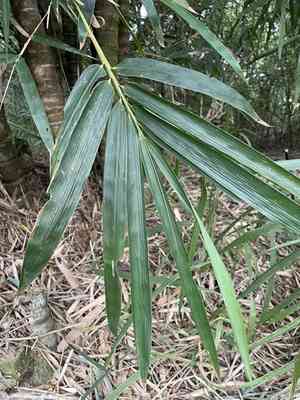
Buddha bamboo (Bambusa ventricosa)
Also known as: Buddha's Belly Bamboo, Buddha Bamboo, Buddha Bellied Bamboo
Buddha's Belly Bamboo, or Bambusa ventricosa, is recognized for its unique, swollen internodes that give it a distinctive, "Buddha’s belly" appearance, especially when grown in containers or under stress. This characteristic, along with its vibrant, arching canes and dense foliage, makes it a popular choice for ornamental gardening. Typically thriving in warm climates, this bamboo variety can grow up to 15 feet tall, bringing an exotic touch to landscapes.
In This Article
Attributes of Buddha bamboo
Lifespan
Perennial
Plant Type
Grass
Plant Height
12 m to 17 m
Spread
Variable, typically 1-2 meters (3-7 feet)
Leaf Color
Green
Flower Size
Bamboos typically do not flower frequently; when they do, the flowers are usually small and inconspicuous.
Flower Color
N/A
Images of Buddha bamboo
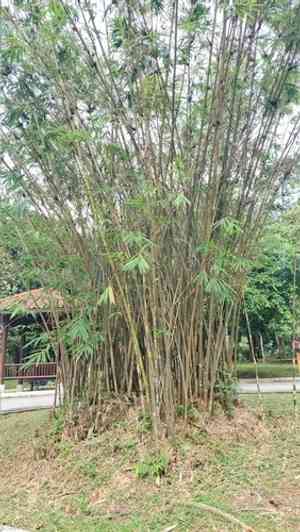
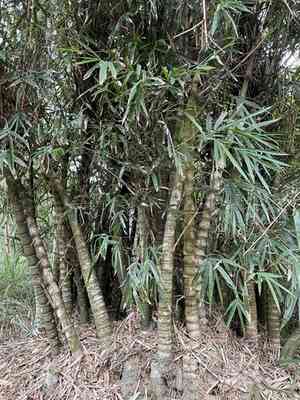
Quickly Identify Buddha bamboo
1
Look for the distinctive swollen internodes that give the stems a bulging or 'belly-like' appearance. The leaves are lanceolate and the stems are usually green, sometimes with a bluish tint.
Scientific Classification of Buddha bamboo
Phylum
Vascular plants
Class
Monocotyledons
Order
Grasses, sedges and allies
Family
Grass
Genus
Bambusa
Species
Buddha bamboo
Planting and Growing of Buddha bamboo
Care Difficulty
Moderate
Watering Schedule
Every 2 days
Sunlight Requirements
Partial sun
Sunshine Duration
4-8 hours
Ideal Temperature
70-85℉
Soil Type
Potting Mix, Peat Mix
Soil pH
6.5-7.5
Fertilizer Type
Balanced
Pruning Season
Spring, Summer
Pruning Area
Branches, Leaves
Pruning Frequency
Once a year
Repotting Season
Spring
Pot Type
Plastic, Ceramic
 How to Water Buddha bamboo?
For Bambusa ventricosa, ensure that the soil is kept consistently moist but not soggy. Watering should be deep enough to penetrate the root zone, ensuring approximately 500 ml per session depending on pot size. Check that water drains well to avoid waterlogging.
What are the symptoms of an underwatered Buddha bamboo?
›
What should I do if my Buddha bamboo is not getting enough water?
›
What are the symptoms of an overwatered Buddha bamboo?
›
How to save an overwatered Buddha bamboo?
›
 What Are the Sunlight Requirements for Buddha bamboo?
Partial sun exposure is ideal for Bambusa ventricosa. This provides a balance of light and shade, promoting robust growth, vibrant foliage color, and increased resilience to pests and diseases.
What is the ideal lighting for Bambusa ventricosa?
›
How can you ensure optimal lighting for Bambusa ventricosa?
›
What are the benefits of ideal lighting for Bambusa ventricosa?
›
 What Is the Ideal Temperature Range for Buddha bamboo?
Bambusa ventricosa thrives in a warm environment with temperatures ranging from 70°F to 85°F. This temperature range provides optimal conditions for growth and overall plant health. Ensuring that temperatures remain within this range will help the plant to grow robustly, showcasing vibrant foliage and healthy cane development.
 What Soil is Best for Buddha bamboo?
Bambusa ventricosa requires well-draining soil to prevent root rot and other diseases. This is crucial as the plant can't withstand soggy conditions and thrives better when excess water can easily escape the root zone. The soil must be rich in nutrients to support the vigorous growth of Bambusa ventricosa. Providing a mix of organic matter, such as compost, can enhance soil fertility and supply essential nutrients for healthy foliage and bamboo clumping. Adequate space in the soil is important for the roots to expand properly. Loose, airy soil supports Bambusa's extensive root systems, allowing it to spread comfortably and thereby enhancing its structural stability.
 How to Fertilize Buddha bamboo?
Bambusa ventricosa, commonly known as Buddha's Belly Bamboo, requires modest fertilization to maintain its lush appearance. Typically, applying a balanced liquid fertilizer with an N-P-K ratio such as 10-10-10 at half the recommended strength every month can keep the plant healthy and thriving.
 How to Prune Buddha bamboo?
Begin your pruning process by identifying the old and dead culms that need to be removed. These are usually discolored and may be leaning or broken. Removing them helps redirect the plant's energy to newer growth, enhancing the plant's overall health. When pruning Bambusa ventricosa, make cuts as close to the ground as possible without damaging the rhizome. This encourages better growth from the base and keeps the plant neat. Use a clean, sharp saw for thicker culms. To improve air circulation and light penetration, thin out overly dense areas in the bamboo clump. This involves selectively removing some of the crowded stems and gives remaining stems space to grow more robustly.
 How to Propagate Buddha bamboo plant?
1
Select healthy, mature stems for cuttings or division. Ensure the stems are free from diseases and pests, as these can transfer and affect the success of propagation. Cut stems should be at least 20-30 cm long for optimal results.
2
Cut the selected stems using sharp pruning shears, making a clean cut at a 45-degree angle to maximize surface area for root growth. Strip the lower leaves from the stem, leaving a few at the top to maintain photosynthesis.
3
Dip the cut end of the stem into rooting hormone to stimulate growth. Plant the cutting in well-draining soil, burying at least a third of its length. Water lightly to establish initial moisture while keeping the cuttings in a bright, indirect light.
 How to Repot Buddha bamboo plant?
1
Bambusa ventricosa shows signs of needing repotting when you notice roots spiraling out of the drainage holes or the plant's growth becomes stunted. Another signal is the soil drying out very quickly after watering. Timing is crucial, so choose early spring or late summer for best results, allowing the plant to establish before the intense heat or cold sets in.
2
Select a pot that is one to two sizes larger than the current one, providing extra space for root expansion. Opt for a pot with good drainage to prevent waterlogging, which can lead to root rot. A heavy pot can help counterbalance the top-heavy nature of bamboo, preventing it from tipping over as it grows.
3
For Bambusa ventricosa, a well-draining loamy soil with organic matter is ideal. It allows the roots to breathe while retaining enough moisture. This type of soil helps in avoiding compaction and ensures nutrients are adequately supplied to foster healthy growth and resilience against pests and diseases.



