
Buddha's belly bamboo (Bambusa tuldoides)
Also known as: Verdant bamboo, Buddah's-belly bamboo
Originally hailing from Southeast Asia, Bambusa vulgaris, or common bamboo, has spread to various tropical regions where it is now deemed an invasive species. Its thick-walled culms make it highly useful for crafting tool handles, creating various handicrafts, and fashioning punting poles.
In This Article
Attributes of Buddha's belly bamboo
Lifespan
Perennial
Plant Type
Grass
Plant Height
6 m to 10 m
Spread
4.5 m to 6 m
Leaf Color
Green
Flower Size
Flowers are insignificant and not a prominent feature
Flower Color
N/A
Images of Buddha's belly bamboo
Quickly Identify Buddha's belly bamboo
1
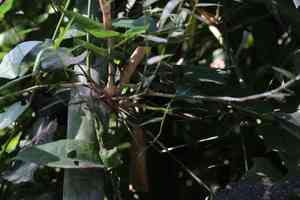
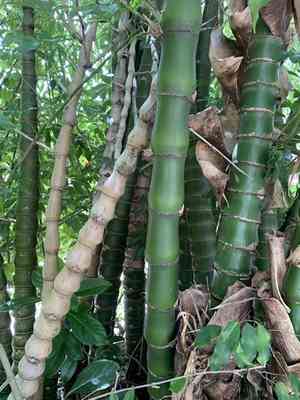
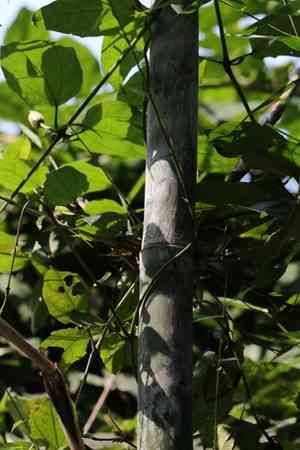
To identify Bambusa tuldoides, look for densely clumping culms that are solid rather than hollow. The culms usually have a greenish to yellowish color, with a smooth surface. Leaves are lanceolate, typically 15-30 cm long and 2-4 cm wide.
Scientific Classification of Buddha's belly bamboo
Phylum
Vascular plants
Class
Monocotyledons
Order
Poales
Family
Grass
Genus
Bambusa
Species
Buddha's belly bamboo
Planting and Growing of Buddha's belly bamboo
Care Difficulty
Easy
Watering Schedule
Every 8 days
Sunlight Requirements
Full sun
Sunshine Duration
6-12 hours
Ideal Temperature
60-80℉
Soil Type
Potting Mix, Peat Mix
Soil pH
6.5-7.5
Fertilizer Type
Balanced
Pruning Season
Spring, Summer
Pruning Area
Branches, Leaves
Pruning Frequency
2 times a year
Repotting Season
Spring
Pot Type
Plastic, Ceramic
 How to Water Buddha's belly bamboo?
Bambusa tuldoides thrives when watered thoroughly, ensuring the top 2-3 inches of soil are moist but not waterlogged. A generous 1500 milliliters during each watering session should suffice, maintaining even moisture without drowning the roots. Always consider environmental conditions, adjusting as needed for humidity and temperature.
What are the symptoms of an underwatered Buddha's belly bamboo?
›
What should I do if my Buddha's belly bamboo is not getting enough water?
›
What are the symptoms of an overwatered Buddha's belly bamboo?
›
How to save an overwatered Buddha's belly bamboo?
›
 What Are the Sunlight Requirements for Buddha's belly bamboo?
Bambusa tuldoides thrives in full sun to partial shade environments, ideally receiving at least 6 to 8 hours of light daily. Adequate light ensures strong growth and robust bamboo canes, enhancing both its beauty and strength.
More About Sunlight Requirements Techniques→
What is the ideal amount of sunlight for Bambusa tuldoides?
›
How can you ensure Bambusa tuldoides receives optimal light?
›
What benefits does Bambusa tuldoides gain from receiving ideal sunlight?
›
 What Is the Ideal Temperature Range for Buddha's belly bamboo?
The ideal temperature range for Bambusa tuldoides is between 60°F and 80°F. This range supports optimal photosynthesis, growth rate, and resilience to common pests and diseases. Ensuring these temperatures helps the plant maintain its vigor and health.
 What Soil is Best for Buddha's belly bamboo?
Bambusa tuldoides thrives in well-drained soil to prevent root rot. This ensures healthy growth by allowing excess water to escape, keeping the roots dry and promoting robust development. Bambusa tuldoides requires nutrient-rich soil to support its rapid growth. Well-fertilized soil provides the bamboo with essential nutrients, leading to lush foliage and strong stems. The soil should retain moisture yet remain aerated to encourage healthy root expansion. It ensures the bamboo remains hydrated during dry spells while preventing waterlogging.
 How to Fertilize Buddha's belly bamboo?
Bambusa tuldoides typically benefits from a moderate amount of fertilizer. For liquid fertilizers, mix at half the recommended strength to avoid root burn and apply evenly across the soil surface. For slow-release fertilizers, follow the packaging instructions to ensure the proper dosage, generally around half a cup per plant depending on maturity.
 How to Prune Buddha's belly bamboo?
Use clean, sharp pruning shears or a small handsaw to make precise cuts. This prevents damage to the culms and reduces the risk of infections. Locate older culms that are less productive and any that are densely packed. Removing these helps improve air circulation and light penetration within the bamboo clump. Cut culms at ground level or slightly below it to avoid leaving stubs. Clean cuts promote quick healing and reduce the chance of pests or disease entering the plant.
More About Pruning Techniques→
 How to Propagate Buddha's belly bamboo plant?
1
Begin by selecting mature, healthy stalks from the bamboo plant. Ensure the stalks are free from disease and pests for successful propagation.
2
Cut the selected stalks into sections containing at least one node. Each section should be about 12 inches long to ensure adequate development.
3
Place the cuttings in a well-draining soil mix, keeping at least one node beneath the surface. Water moderately and ensure the cuttings receive filtered sunlight.
 How to Repot Buddha's belly bamboo plant?
1
Bambusa tuldoides shows signs of needing a repot when roots start circling the pot, the plant becomes unstable, or water drains too quickly. Early spring is an ideal time as it coincides with the onset of a new growing season, allowing the bamboo to quickly acclimate to its new environment.
2
Select a pot that's at least 2 inches larger in diameter than the current one. Bamboo needs room for root expansion, and a slightly bigger pot ensures adequate space. A pot with several drainage holes prevents water from pooling at the bottom, reducing the risk of root rot.
3
Opt for a loamy soil mix rich in organic matter with excellent drainage. This type of soil supports spontaneous growth and prevents water stagnation, which could otherwise lead to root suffocation. High-quality potting mixes often contain perlite or sand to enhance drainage.



