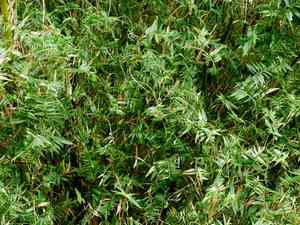
Hedge bamboo (Bambusa multiplex)
Also known as: Oriental hedge bamboo, Chinese bamboo
Hedge bamboo is a fast-growing evergreen that boasts strong, vertical canes, making it ideal for use in hedges and fences. Originating from China, this bamboo's dense and upright structure provides excellent privacy and windbreak capabilities. Additionally, while its shoots and stems are bitter, they are edible.
In This Article
Attributes of Hedge bamboo
Lifespan
Perennial
Plant Type
Grass
Plant Height
3 m to 8 m
Spread
1.2 m to 1.8 m
Leaf Color
Green
Flower Size
Not applicable; flowering is rare and not a key feature
Flower Color
Not applicable; bamboo flowering is infrequent
Images of Hedge bamboo
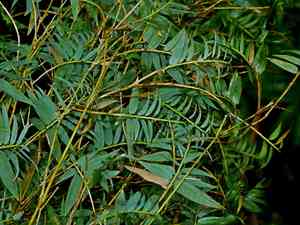
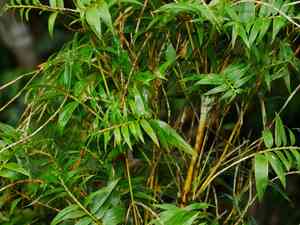
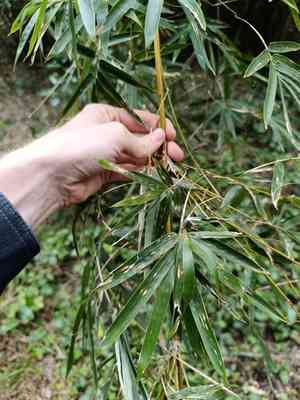
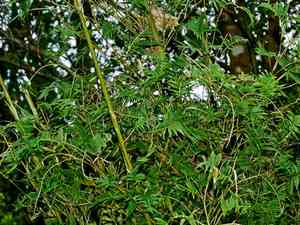
Quickly Identify Hedge bamboo
1
Upright branches with graceful arching form.
2
Dense clusters of linear, medium to dark green leaves.
3
Thin culms measuring 4 cm (1.6 inches) in width.
4
Hard, dry caryopsis fruits with pale to medium brown tone.
5
Adaptable to partial shade but thrives in full sun exposure.
Scientific Classification of Hedge bamboo
Phylum
Vascular plants
Class
Monocotyledons
Order
Grasses, sedges and allies
Family
Grass
Genus
Bambusa
Species
Hedge bamboo
Planting and Growing of Hedge bamboo
Care Difficulty
Easy
Watering Schedule
Every 3 days
Sunlight Requirements
Partial sun
Sunshine Duration
4-6 hours
Ideal Temperature
60-75℉
Soil Type
Potting Mix, Peat Mix
Soil pH
6.5-7.5
Fertilizer Type
Balanced
Pruning Season
Spring, Summer
Pruning Area
Branches, Leaves
Pruning Frequency
2 times a year
Repotting Season
Spring
Pot Type
Plastic, Ceramic
 How to Water Hedge bamboo?
For Bambusa multiplex, ensure the soil is evenly moist, but not waterlogged. A consistent watering routine is key. Typically, around 500 milliliters should suffice, but always check the topsoil to avoid oversaturation. Aim to water until the top 2 inches feel moist.
What are the symptoms of an underwatered Hedge bamboo?
›
What should I do if my Hedge bamboo is not getting enough water?
›
What are the symptoms of an overwatered Hedge bamboo?
›
How to save an overwatered Hedge bamboo?
›
 What Are the Sunlight Requirements for Hedge bamboo?
Partial sun, receiving four to six hours of sunlight daily ensures Bambusa multiplex thrives with healthy foliage and strong stem development, promoting robust resilience and aesthetic appeal.
What is the best position for Bambusa multiplex?
›
How can you provide ideal sun exposure indoors?
›
What are the benefits of optimal lighting?
›
 What Is the Ideal Temperature Range for Hedge bamboo?
Bambusa multiplex thrives best when the ambient temperature ranges from 60°F to 75°F. This temperature range provides the optimal conditions for photosynthesis and growth metabolism, ensuring the bamboo can achieve its full growth potential.
 What Soil is Best for Hedge bamboo?
Bambusa multiplex thrives in loam or sandy loam soil that ensures adequate drainage. Ensuring well-draining soil prevents waterlogging, minimizes root rot, and allows the roots to access oxygen essential for healthy growth. This plant benefits from a nutrient-rich substrate, providing essential nutrients for robust growth and high resistance against pests and diseases. Adding organic matter like compost can enrich the soil naturally and sustainably. While well-drained, the soil should maintain some moisture, ensuring that the bamboo has consistent access to water for optimal growth without the risks of dry spells impacting development.
 How to Fertilize Hedge bamboo?
For Bambusa multiplex, use a balanced fertilizer with a ratio, like 10-10-10. In the growing season, apply 1 pound per 100 square feet monthly. Always follow product instructions to avoid over-fertilization.
 How to Prune Hedge bamboo?
Start by identifying the oldest canes within the clump, which will appear duller in color and may even have some scarring compared to the vibrant, smooth texture of newer culms. These older canes should ideally be the first target for removal during pruning. Carefully cut out any dead or damaged culms at the base of the plant. Dead culms are easy to spot as they are usually darker and possibly hollow. Removing these first helps open up the clump and makes further pruning more manageable. To prevent the plant from becoming too dense, selectively thin out areas where culms are growing too closely together. This process helps improve air circulation around the plant, reducing the chances of disease and encouraging even growth.
More About Pruning Techniques→
 How to Propagate Hedge bamboo plant?
1
Choose a healthy parent plant that is free from diseases and pests. This ensures that the propagated plants will grow strong and healthy without any initial setbacks from inherited issues.
2
Select bamboo culms that are at least a year old for better rooting success. Cut sections that have at least two nodes and immerse them in water until planting to prevent drying out.
3
Insert the cut ends of the bamboo cuttings into rooting hormone and plant them vertically in a suitable growing medium. Ensure they are stable and water them adequately to maintain moisture.
 How to Repot Hedge bamboo plant?
1
Bambusa multiplex shows signs of needing repotting when its roots are visibly circling inside the pot, soil drains too quickly, or the plant's growth has noticeably slowed. These are indicators that the plant has outgrown its current environment and requires more space to thrive.
2
Select a pot that is 2-3 inches larger in diameter than the current one. It should have good drainage holes to prevent roots from sitting in water, which can lead to root rot. A well-sized pot allows room for growth and keeps the plant stable and healthy.
3
Opt for a well-draining potting mix, ideally one that contains a mix of sand, perlite, and organic matter. This promotes healthy root development by ensuring that excess water can escape, reducing the risk of waterlogging and associated root issues.



