
Deltoid balsamroot (Balsamorhiza deltoidea)
Also known as: Deltoid balsamroot
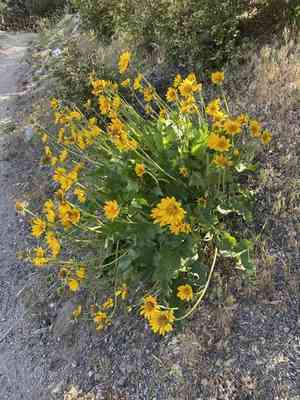
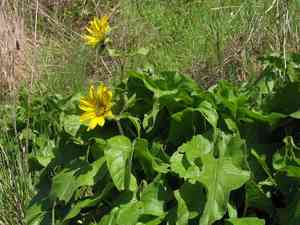
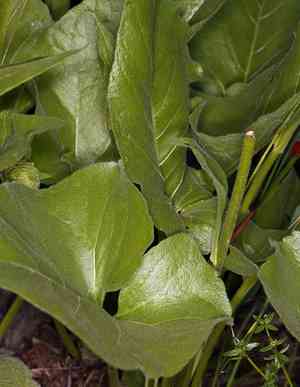
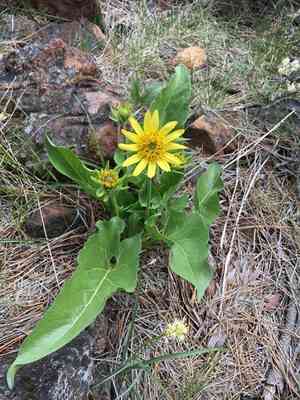
The deltoid balsamroot is a perennial plant recognized for its sizable, arrowhead-shaped leaves that have a woolly feel. In the spring, it produces bright yellow, sunflower-like flowers on strong stems, bringing vivid color to dry, open areas and hillsides. This robust plant flourishes in well-drained soils and uses its deep taproot to reach water, allowing it to withstand the arid conditions it often grows in.
In This Article
Attributes of Deltoid balsamroot
Lifespan
Perennial
Plant Type
Herb
Plant Height
20 cm to 91 cm
Spread
Not applicable
Leaf Color
Green
Flower Size
7-10 cm
Flower Color
Bright Yellow
Images of Deltoid balsamroot
Quickly Identify Deltoid balsamroot
1
Identifying skills include recognizing its large, triangular, basal leaves which are covered with fine hairs, and its bright yellow, sunflower-like flowers that appear in the spring.
Scientific Classification of Deltoid balsamroot
Phylum
Vascular plants
Class
Dicotyledons
Order
Asterales
Family
Daisy
Genus
Balsamroots
Species
Deltoid balsamroot
Planting and Growing of Deltoid balsamroot
Care Difficulty
Easy
Watering Schedule
Every 3 days
Sunlight Requirements
Full sun
Sunshine Duration
6-12 hours
Ideal Temperature
60-75℉
Soil Type
Potting Mix, Peat Mix
Soil pH
6.5-7.5
Fertilizer Type
Balanced
Pruning Season
Spring, Summer
Pruning Area
Branches, Leaves
Pruning Frequency
2 times a year
Repotting Season
Spring
Pot Type
Plastic, Ceramic
 How to Water Deltoid balsamroot?
Balsamorhiza deltoidea prefers deep watering that saturates the soil to a depth of several inches. Ensure the water penetrates thoroughly by checking the moisture level down to about 3 inches after watering. During warmer months, when the plant is actively growing, this depth allows the roots to access essential moisture without oversaturating the root zone.
What are the symptoms of an underwatered Deltoid balsamroot?
›
What should I do if my Deltoid balsamroot is not getting enough water?
›
What are the symptoms of an overwatered Deltoid balsamroot?
›
How to save an overwatered Deltoid balsamroot?
›
 What Are the Sunlight Requirements for Deltoid balsamroot?
Suitable for areas with full to partial sun, the ideal light ensures strong growth, vibrant blooms, and resistance against pests and diseases. Full sun optimizes energy absorption, boosting overall vitality.
How much direct sunlight does it need?
›
What if I have partial sun in my garden?
›
Why is ideal lighting important for its growth?
›
 What Is the Ideal Temperature Range for Deltoid balsamroot?
The ideal temperature range for Balsamorhiza deltoidea is between 60 and 75 degrees Fahrenheit. This range provides the optimum conditions for growth, allowing the plant to thrive and produce the best foliage and blooms. Temperatures within this range ensure that the plant's physiological processes occur without undue stress, promoting healthy development.
 What Soil is Best for Deltoid balsamroot?
Balsamorhiza deltoidea thrives in soils that provide excellent drainage. Loam and sandy soils are ideal because they allow excess water to quickly exit, preventing root rot and enhancing overall plant health. This plant does not demand excessively rich soils. Moderately fertile loam or sandy loam supplies all necessary nutrients without the risk of nutrient burn, promoting stable growth and flowering. Soils that retain just enough moisture and dry out quickly, like sandy loam, help the plant develop its natural drought tolerance, crucial for survival in its native arid habitats.
 How to Fertilize Deltoid balsamroot?
When fertilizing Balsamorhiza deltoidea, it's vital to avoid over-fertilization. Use a balanced liquid fertilizer diluted to half-strength, approximately 1/2 teaspoon per gallon of water, and apply it sparingly. For slow-release fertilizers, opt for a light application of around 1/4 cup of granular fertilizer per plant, ensuring even distribution around the root zone.
 How to Prune Deltoid balsamroot?
Focus on removing spent flowers and any damaged or dead stems. Look for stems with fewer leaves or signs of disease to prune back, encouraging healthier new growth. Aim to maintain a balanced and natural shape by evenly trimming around the plant. Avoid cutting more than one-third of the plant at once to reduce stress. Removing the top few inches of stems can stimulate bushier growth, as it encourages lateral branches to develop. This not only enhances the plant's look but also ensures vigorous health.
More About Pruning Techniques→
 How to Propagate Deltoid balsamroot plant?
1
Collect seeds from the plant once they are mature, typically in late summer. Clean the seeds to remove any debris and store them in a cool, dry place until you are ready to plant them in spring.
2
In spring, locate an established clump of Balsamorhiza deltoidea. Carefully dig around the clump and lift it out of the soil. Use a sharp knife to divide the roots into sections, each with at least one growing shoot.
3
Plant seeds or divided sections in a sunny location with well-drained soil. Ensure that the seeds or divisions are planted at the correct depth; seeds should be just below the surface, while divisions should be covered with soil.
 How to Repot Deltoid balsamroot plant?
1
Balsamorhiza deltoidea shows it needs repotting when its roots are visibly protruding from drainage holes or the plant appears root-bound. A decline in blooming or growth might also indicate it’s time for a new pot.
2
Select a pot that is about 1 to 2 inches larger in diameter than the current one. It should have sufficient drainage holes to prevent water logging. This size allows room for root expansion while reducing the risk of overwatering.
3
Opt for a well-draining loamy soil mix. This choice ensures proper aeration and moisture retention, vital for Balsamorhiza deltoidea's growth. It also prevents root rot by allowing excess water to escape easily.



