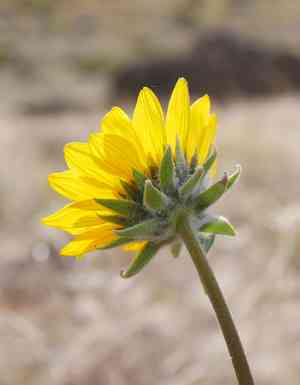
Carey's balsamroot (Balsamorhiza careyana)
Also known as: Carey's Balsamroot
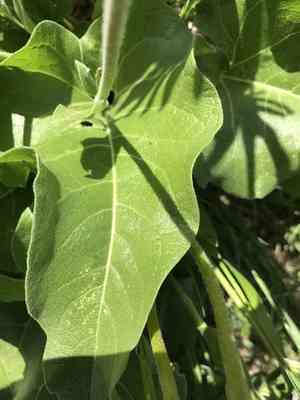
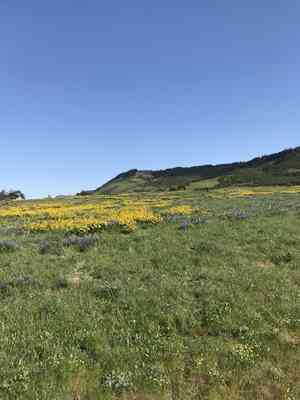
Carey's balsamroot (Balsamorhiza careyana) is a wildflower native to the arid, rocky areas of the Cascades in Washington and Oregon. It belongs to the sunflower family, evident from its striking yellow blooms. One of the key distinguishing features of Carey's balsamroot is its rough, leathery leaves, which contrast sharply with the softer, more velvety leaves of arrowleaf balsamroot (Balsamorhiza sagittata). This textural difference in leaves is a reliable way to differentiate between the two species.
In This Article
Attributes of Carey's balsamroot
Lifespan
Perennial
Plant Height
20 cm to 61 cm
Spread
30-60 cm (12-24 inches)
Leaf Color
Deep Green
Flower Size
5-7.5 cm (2-3 inches)
Flower Color
Yellow
Images of Carey's balsamroot
Quickly Identify Carey's balsamroot
1
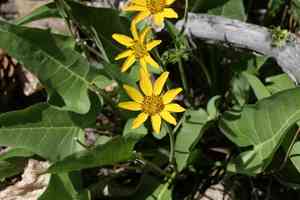
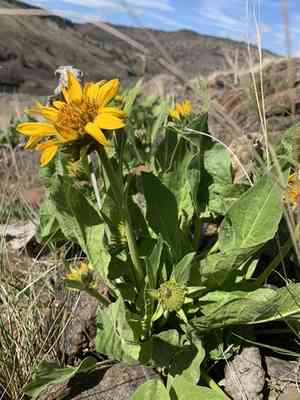
Identify Balsamorhiza careyana by its large, basal leaves which are deep green and hairy, and its bright yellow, daisy-like flowers with a brownish center. The plant grows in clumps and has a thick, woody taproot.
Scientific Classification of Carey's balsamroot
Phylum
Vascular plants
Class
Dicotyledons
Order
Asterales
Family
Daisy
Genus
Balsamroots
Species
Carey's balsamroot
Planting and Growing of Carey's balsamroot
Care Difficulty
Easy
Watering Schedule
Every 2 days
Sunlight Requirements
Full sun
Sunshine Duration
4-8 hours
Ideal Temperature
60-75℉
Soil Type
Potting Mix, Peat Mix
Soil pH
6.5-7.5
Fertilizer Type
Balanced
Pruning Season
Spring, Summer
Pruning Area
Branches, Leaves
Pruning Frequency
2 times a year
Repotting Season
Spring
Pot Type
Plastic, Ceramic
 How to Water Carey's balsamroot?
Ensure that each watering session allows the soil to become moist but not waterlogged. The aim is to saturate the soil evenly, allowing it to support the plant's needs without causing root rot.
What are the symptoms of an underwatered Carey's balsamroot?
›
What should I do if my Carey's balsamroot is not getting enough water?
›
What are the symptoms of an overwatered Carey's balsamroot?
›
How to save an overwatered Carey's balsamroot?
›
 What Are the Sunlight Requirements for Carey's balsamroot?
Balsamorhiza careyana flourishes in full sun, benefiting from daily exposure of 6 to 8 hours. This optimal light range supports robust growth and vibrant flowering patterns.
How much sunlight does Balsamorhiza careyana need?
›
What are the best methods to provide ideal lighting?
›
What are the benefits of receiving ideal lighting for this plant?
›
 What Is the Ideal Temperature Range for Carey's balsamroot?
The ideal temperature range for Balsamorhiza careyana lies between 60 to 75°F. This range allows the plant to optimally perform physiological processes such as photosynthesis, nutrient uptake, and cellular respiration. Maintaining this temperature encourages vigorous growth and flowering, ensuring the plant’s overall health.
 What Soil is Best for Carey's balsamroot?
Balsamorhiza careyana thrives in soils that provide excellent drainage. Loamy or sandy loam soils are optimal, as they prevent waterlogging which can suffocate roots. Good drainage ensures that the plant's roots have access to oxygen and reduces the risk of root rot, promoting healthier growth. This plant prefers soils with moderate nutrient content. Overly rich soils can lead to lush foliage with fewer blooms. A balance of essential nutrients supports optimal growth and flowering without overwhelming the plant, ensuring it maintains its natural growth habit. A soil pH between 6.5 and 7.5 is ideal for Balsamorhiza careyana. This range ensures the availability of essential nutrients while preventing toxicity from metals such as aluminum. Maintaining this pH level supports the plant's overall health and vibrancy.
 How to Fertilize Carey's balsamroot?
When fertilizing Balsamorhiza careyana, we recommend using a balanced formulation such as a 10-10-10 NPK type. For liquid fertilizers, use 250 ml per plant each time. For solid, slow-release types, apply around 50 grams per plant.
 How to Prune Carey's balsamroot?
The first step in pruning Balsamorhiza careyana is to identify and remove any dead or diseased stems and leaves. Use clean, sharp pruning shears to cut these parts back to the base of the plant. This process helps the plant focus its energy on producing new, healthy growth. Once the dead parts are removed, focus on shaping the plant. Trim back any overly long stems to encourage a bushier growth habit. Make your cuts just above a leaf node to promote new shoots to emerge. If the Balsamorhiza careyana has grown larger than desired, carefully reduce its size by cutting back no more than one-third of the entire plant. This prevents shock and allows the plant to regenerate with vigor.
More About Pruning Techniques→
 How to Propagate Carey's balsamroot plant?
1
Collect seeds from a mature Balsamorhiza careyana plant and remove any external debris. Place them in a cool, dry area for a few days before sowing.
2
Fill seed trays with well-draining soil and evenly distribute the seeds over the surface. Cover lightly with soil and water gently to avoid dislodging the seeds.
3
Use a sterile knife to carefully cut through the rhizome clumps of a mature plant, ensuring that each section has sufficient roots to sustain new growth when replanted.
 How to Repot Carey's balsamroot plant?
1
Repot Balsamorhiza careyana when you observe roots outgrowing the container or water draining too quickly, usually happening every 2-3 years. These signs indicate that your plant requires more space to flourish.
2
Select a pot that is 1-2 inches larger in diameter than the current one. Ensure it has adequate drainage holes to prevent root rot, allowing excess water to escape easily and air to circulate around the roots.
3
Opt for well-draining sandy soil to mimic the plant's natural habitat. Such soil prevents waterlogging and supplies the roots with proper aeration, thus promoting healthy growth and reducing the risk of root decay.



