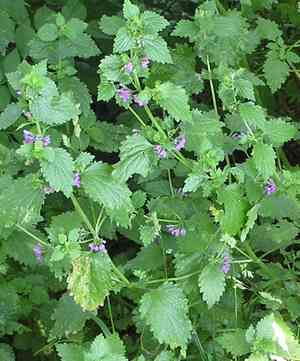
Horehounds (Ballota) (Ballota)
Also known as: False Nettle, Horehound, Black Horehound, Marrubium, American Stinging Nettle
The spurge genus (*Euphorbia*) includes diverse plants that are highly prevalent in the Mediterranean region and can also be found throughout Eurasia and Africa. These plants play a crucial ecological role by providing food for the larvae of various butterfly and moth species. They typically thrive in waste ground and rocky areas.
In This Article
Attributes of Horehounds (Ballota)
Lifespan
Perennial
Plant Height
30-80 cm
Spread
30-50 cm
Leaf Color
Green
Flower Size
1-2 cm
Flower Color
Purple, Pink
Images of Horehounds (Ballota)
Quickly Identify Horehounds (Ballota)
1
Identify Ballota by its square stems, opposite leaves, and clusters of small, purple to pink flowers. The leaves are usually wrinkled, hairy, and have a distinctive odor when crushed.
Scientific Classification of Horehounds (Ballota)
Phylum
Magnoliophyta
Class
Magnoliopsida
Order
Lamiales
Family
Lamiaceae
Genus
Ballota
Planting and Growing of Horehounds (Ballota)
Care Difficulty
Easy
Watering Schedule
Every 2 days
Sunlight Requirements
Partial sun
Sunshine Duration
4-8 hours
Ideal Temperature
60-75℉
Soil Type
Potting Mix, Peat Mix
Soil pH
6.5-7.5
Fertilizer Type
Balanced
Pruning Season
Spring, Summer
Pruning Area
Branches, Leaves
Pruning Frequency
2 times a year
Repotting Season
Spring
Pot Type
Plastic, Ceramic
 How to Water Horehounds (Ballota)?
When watering Ballota, aim to provide approximately 250 milliliters per session. This amount ensures the soil is adequately moist without causing waterlogging. The plant thrives on a 'less is more' principle, allowing the soil to dry out between waterings to mimic its native Mediterranean environment.
What are the symptoms of an underwatered Horehounds (Ballota)?
›
What should I do if my Horehounds (Ballota) is not getting enough water?
›
What are the symptoms of an overwatered Horehounds (Ballota)?
›
How to save an overwatered Horehounds (Ballota)?
›
 What Are the Sunlight Requirements for Horehounds (Ballota)?
Ballota flourishes best under partial to full sun conditions. This optimal light range sustains its energetic growth, enhances leaf coloration, and supports flowering. By absorbing just the right amount of sunlight, the plant remains vigorous and resilient.
What is the best lighting situation for Ballota?
›
How can you ensure Ballota gets optimal light exposure?
›
What benefits does proper lighting bring to Ballota?
›
 What Is the Ideal Temperature Range for Horehounds (Ballota)?
The ideal temperature range for Ballota growth is between 60 and 75 degrees Fahrenheit. This temperature is optimal because it closely mimics the natural conditions that this Mediterranean plant is accustomed to. Within this range, the plant can photosynthesize efficiently, maintain hydration, and grow steadily without stress.
 What Soil is Best for Horehounds (Ballota)?
Ballota prefers soils with excellent drainage capabilities, like sandy or loamy soils. This prevents root rot and other water-related issues, allowing the plant to thrive without excess moisture stunting its growth. While not overly fussy, Ballota benefits from nutrient-rich loam soils that supply essential nutrients. These nutrients support strong growth and vibrant foliage, maximizing the plant's decorative potential. Ballota can adapt to calcareous soils high in calcium carbonate. This soil type supports robust root development and stabilizes pH levels, keeping the plant healthy and capable of resisting pests and diseases.
 How to Fertilize Horehounds (Ballota)?
For Ballota, it's crucial to use a balanced approach when it comes to fertilization. Use a water-soluble fertilizer diluted to half the recommended strength to avoid nutrient burn. Typically, use about 1 teaspoon per gallon of water.
 How to Prune Horehounds (Ballota)?
Start by removing any dead or diseased stems. These can be identified by discoloration or lack of foliage. Cutting them off at the base helps prevent the spread of disease. Trim the longer branches to maintain the desired shape and size. This helps the plant to look more appealing and encourages a bushy, compact form, making Ballota a great ornamental addition. Prune the plant after its flowering season to encourage a new growth cycle. This ensures that you're not removing flower buds, allowing the plant to bloom profusely in its next cycle.
 How to Propagate Horehounds (Ballota) plant?
1
Harvest seeds from mature Ballota plants in late summer or autumn. Allow seed heads to dry naturally on the plant before collecting them for propagation.
2
Take cuttings from healthy, non-flowering shoots in spring. Cut sections about 10 cm long, and remove leaves from the lower half to prevent decay during rooting.
3
In early spring, divide mature Ballota plants by carefully separating the root ball into smaller sections, ensuring each has sufficient roots and shoots for independent growth.
 How to Repot Horehounds (Ballota) plant?
1
Ballota should be repotted when you notice roots coming out from the drainage holes or the plant showing signs of stunted growth. This typically indicates the plant has outgrown its current pot and needs more space to thrive.
2
Select a pot that is slightly larger than the current one, ideally with drainage holes. A pot that is too large can lead to overwatering and root rot, while a correctly sized pot ensures the plant has enough room to grow without excess soil retaining too much moisture.
3
Opt for a well-draining potting mix with a combination of peat, perlite, and sand. This type of soil prevents waterlogging and provides good aeration, allowing roots to breathe and remain healthy.
Learn More About Horehounds (Ballota) Diseases
Anthracnose
Bacterial Leaf Spot
Bacterial Soft Rot
Bacterial Wilt
Black Spot
Chemical Injury
Crown Gall
Damping-off
Downy Mildew
Drought Stress
Fusarium Wilt
Gray Mold
Leaf Curl
Leaf Spot
Mosaic
Nutrient Deficiency
Nutrient Toxicity
Powdery Mildew
Root Rot
Root-knot Nematode
Rusts
Sooty Mold
Spider Mites
Temperature Stress
Thrips Damage
White Mold

