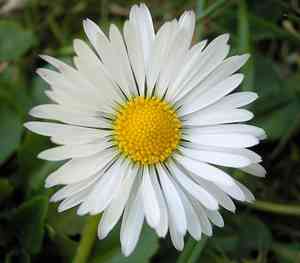
Desert baccharis (Baccharis sergiloides)
Also known as: Broom Baccharis
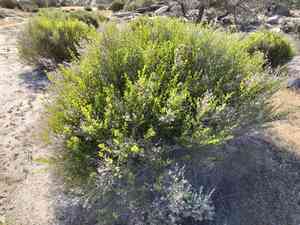
Baccharis sergiloides is a shrub that can grow up to nearly 2 meters tall. It features numerous upright, branching stems. The leaves are typically oval and can be up to 3 cm in length, but they usually drop off before the plant flowers. This species is dioecious, meaning that male and female plants have distinct types of flower heads.
In This Article
Attributes of Desert baccharis
Lifespan
Perennial
Plant Type
Shrub
Plant Height
Typically reaches up to 1.5 - 3 meters tall.
Spread
Approximately 1 - 2 meters in crown diameter.
Leaf Color
Green to grey-green
Flower Size
Small flowers, about 1 cm in diameter.
Flower Color
Yellowish-white
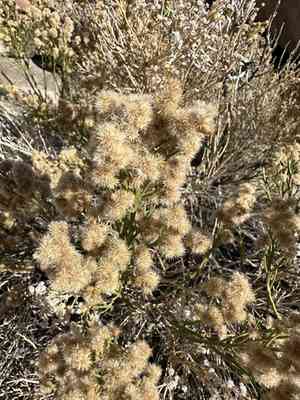
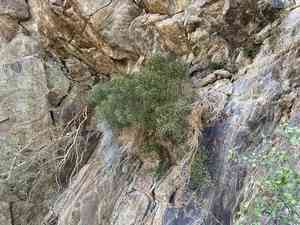
Images of Desert baccharis
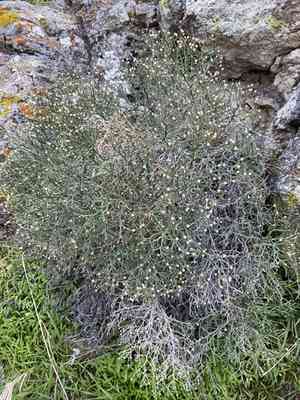
Quickly Identify Desert baccharis
1
The plant can be recognized by its tall, slender stems, small and narrow leaves, and the yellowish-white clusters of flowers that appear at the tips of the branches during the blooming season.
Scientific Classification of Desert baccharis
Phylum
Vascular plants
Class
Dicotyledons
Order
Asterales
Family
Daisy
Genus
Baccharises
Species
Desert baccharis
Planting and Growing of Desert baccharis
Care Difficulty
Easy
Watering Schedule
Every 3 days
Sunlight Requirements
Full sun
Sunshine Duration
6-10 hours
Ideal Temperature
68-77℉
Soil Type
Potting Mix, Peat Mix
Soil pH
6.5-7.5
Fertilizer Type
Balanced
Pruning Season
Spring, Summer
Pruning Area
Branches, Leaves
Pruning Frequency
2 times a year
Repotting Season
Spring
Pot Type
Plastic, Ceramic
 How to Water Desert baccharis?
Baccharis sergiloides appreciates moderate watering where 250 milliliters per session ensures healthy growth. The amount is enough to moisten the soil thoroughly, making the roots stay hydrated without overwhelming them.
What are the symptoms of an underwatered Desert baccharis?
›
What should I do if my Desert baccharis is not getting enough water?
›
What are the symptoms of an overwatered Desert baccharis?
›
How to save an overwatered Desert baccharis?
›
 What Are the Sunlight Requirements for Desert baccharis?
Baccharis sergiloides flourishes in full sun to partial sun, ensuring steady growth and rich foliage. Ideal lighting enhances photosynthetic capability and overall vitality, supporting its structural integrity and decorative qualities.
What are the best lighting conditions for Baccharis sergiloides?
›
How to achieve ideal lighting conditions for this plant?
›
What are the benefits of providing ideal lighting conditions?
›
 What Is the Ideal Temperature Range for Desert baccharis?
The ideal temperature range for Baccharis sergiloides is between 68°F and 77°F. In this range, the plant can efficiently perform photosynthesis and other metabolic activities necessary for optimal growth. Consistent temperatures in this range support healthy foliage and a robust root system.
 What Soil is Best for Desert baccharis?
Baccharis sergiloides thrives in well-draining soils that prevent water from accumulating around the roots. This reduces the risk of root rot and promotes healthy growth, making it an ideal condition for this plant. While it is relatively adaptable, Baccharis sergiloides benefits from soil rich in organic matter. Such nutrient availability enhances the plant's overall vigor, resulting in lush growth and resilience against stress. This plant prefers soils that are not overly rich but have moderate fertility. This proportion helps maintain a balance, preventing excessive vegetative growth and promoting the development of healthy foliage.
 How to Fertilize Desert baccharis?
For Baccharis sergiloides, the recommended fertilizer amount depends on the type and brand used. Typically, for liquid fertilizers, dilute them to half the recommended strength on the package. For slow-release fertilizers, apply approximately 50 grams per plant in early spring and autumn.
 How to Prune Desert baccharis?
Begin by identifying older or dead branches that need to be removed to make room for new growth. Also, assess areas where the plant looks overly dense and requires thinning to improve air circulation. Using a pair of sharp pruning shears, make clean cuts just above a bud or branch junction. This encourages new growth to sprout from the cut and helps the plant maintain a natural shape. Step back periodically to assess the overall shape of the plant. Pruning should enhance the natural form of Baccharis sergiloides, so make necessary adjustments as you go along to ensure a balanced appearance. After pruning, collect all clippings and dispose of them properly. This prevents any potential pest issues and keeps the area tidy, ensuring a healthy environment for the plant to thrive.
 How to Propagate Desert baccharis plant?
1
Use a well-draining soil mix to ensure that the seeds or cuttings do not rot. Incorporate perlite or sand to improve drainage. This is critical to prevent waterlogging, which can be detrimental to plant health.
2
Distribute the seeds evenly in the seed trays and cover them lightly with a thin layer of soil. Ensure that they are not buried too deep, as this can impede germination.
3
Choose healthy, non-flowering stems and cut them at about 10-15 cm. Remove the lower leaves and dip the base in rooting hormone to enhance root development.
 How to Repot Desert baccharis plant?
1
Repot Baccharis sergiloides when you notice roots coming out of the drainage holes, or if growth slows down despite optimal care. These are signs that the plant is outgrowing its current container and requires more space to spread its roots.
2
Select a pot that is 1-2 inches larger in diameter than the current one to give the roots room to grow. Make sure it has good drainage holes to prevent root rot. The right pot ensures healthy growth and prevents waterlogging, both crucial for the plant's wellbeing.
3
Opt for a well-draining sandy soil mix to mimic its natural environment. This type of soil prevents water retention, reducing the risk of root rot and ensuring optimal aeration for healthy root development.
Toxicity
Ingestion
WARNING
The judgment on toxicity and danger is for reference only. We DO NOT GUARANTEE any accuracy of such judgment. Therefore, you SHALL NOT rely on such judgment. It is IMPORTANT TO SEEK PROFESSIONAL ADVICE in advance when necessary.
Learn More About Desert baccharis Diseases
Anthracnose
Bacterial Leaf Spot
Bacterial Wilt
Crown Gall
Damping-off
Downy Mildew
Drought Stress
Fusarium Wilt
Gray Mold
Leaf Spot
Mosaic
Nutrient Deficiency
Nutrient Toxicity
Powdery Mildew
Root Rot
Root-knot Nematode
Rusts
Sooty Mold
Spider Mites
Temperature Stress
Thrips Damage
White Mold
Chemical Injury



