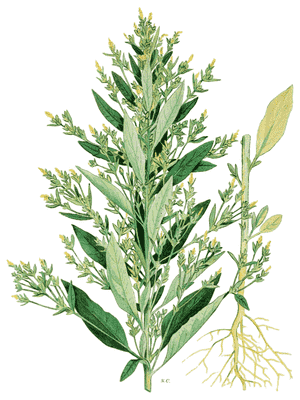
Russian pigweeds (Axyris) (Axyris)
Also known as: Spearleaf
Axyris, commonly known as Spearleaf, is a genus of flowering plants in the family Amaranthaceae. These plants are typically found in dry or saline environments and are characterized by their alternate leaves and small, inconspicuous flowers.
In This Article
Attributes of Russian pigweeds (Axyris)
Lifespan
Annual
Plant Height
10-50 cm
Spread
Not applicable as it is a herbaceous plant
Leaf Color
Green
Flower Size
1-2 mm
Flower Color
Greenish or yellowish
Images of Russian pigweeds (Axyris)
Quickly Identify Russian pigweeds (Axyris)
1
To identify Axyris, look for its characteristic spear-shaped leaves, small cluster of inconspicuous flowers, and preference for dry or disturbed soils. The plants usually have a coarse texture and can be annuals or biennials.
Scientific Classification of Russian pigweeds (Axyris)
Phylum
Angiosperms
Class
Magnoliopsida
Order
Caryophyllales
Family
Amaranthaceae
Genus
Axyris
Planting and Growing of Russian pigweeds (Axyris)
Care Difficulty
Moderate
Watering Schedule
Every 2 days
Sunlight Requirements
Full sun
Sunshine Duration
4-8 hours
Ideal Temperature
60-75℉
Soil Type
Potting Mix, Peat Mix
Soil pH
6.5-7.5
Fertilizer Type
Balanced
Pruning Season
Spring, Summer
Pruning Area
Branches, Leaves
Pruning Frequency
2 times a year
Repotting Season
Spring
Pot Type
Plastic, Ceramic
 How to Water Russian pigweeds (Axyris)?
Axyris requires careful watering, ensuring the soil is never waterlogged but remains slightly moist. Aim for 200 ml per session, enough to reach the roots without oversaturating.
What are the symptoms of an underwatered Russian pigweeds (Axyris)?
›
What should I do if my Russian pigweeds (Axyris) is not getting enough water?
›
What are the symptoms of an overwatered Russian pigweeds (Axyris)?
›
How to save an overwatered Russian pigweeds (Axyris)?
›
 What Are the Sunlight Requirements for Russian pigweeds (Axyris)?
Partial to full sun exposure helps Axyris in robust growth, ensuring a healthy foliage structure and abundant flowering, enhancing its decorative appeal.
What is the ideal sunlight for Axyris?
›
How can Axyris achieve ideal light conditions?
›
What are the benefits of ideal light conditions?
›
 What Is the Ideal Temperature Range for Russian pigweeds (Axyris)?
Axyris plants thrive best within a temperature range of 60°F to 75°F. Maintaining this range ensures optimal growth and metabolic activities for the plant. These temperatures support photosynthesis and respiration, crucial for plant development and health. Keeping the environment within this range also minimizes stress and maximizes growth potential, contributing to the plant’s vigor and productivity.
 What Soil is Best for Russian pigweeds (Axyris)?
Axyris thrives in well-drained soil, which provides the plant with a balance between moisture retention and good drainage. This type of soil ensures that the roots do not rot and receive the necessary oxygen. While Axyris can grow in a variety of soil conditions, it benefits from soil that is rich in nutrients. Organic matter or compost can enhance nutrient availability, promoting vigorous growth and healthy foliage. Axyris prefers soil that retains moderate moisture. This ensures that the plant remains hydrated without the risk of waterlogging, a common issue that can lead to root rot.
 How to Fertilize Russian pigweeds (Axyris)?
Axyris plants require a balanced approach when it comes to fertilization. The amount should be sufficient to support growth without overloading the soil. Generally, a diluted liquid fertilizer with a concentration of 10-20-10 is optimal, applied according to package instructions. For solid slow-release fertilizers, apply around 1 pound per 100 square feet annually.
 How to Prune Russian pigweeds (Axyris)?
After pruning, ensure that all clippings are promptly removed and disposed of to prevent any potential spread of pests or diseases. Leaving debris around the plant can harbor unwanted insects and fungi. Avoid removing more than one-third of the plant at any one time. Excessive pruning can stress the plant and slow down its growth. It is important to prune with the plant's health in mind.
 How to Propagate Russian pigweeds (Axyris) plant?
1
Choose high-quality seeds from a reputable supplier. This ensures that the likelihood of germination is high and reduces the chances of growing plants with undesirable traits. Fresh seeds generally have better viability than older ones.
2
Fill your seed tray with a light, well-draining seed mix. Sow the Axyris seeds on the surface, and lightly cover them with soil. Ensure that the seeds are spaced evenly to facilitate plant growth and reduce competition.
3
Using clean garden pruners, take cuttings from healthy, mature Axyris plants. Aim for a cutting that is around 10 cm in length, with at least two nodes for root development. Remove any leaves on the lower half of the cutting to prevent rot.
 How to Repot Russian pigweeds (Axyris) plant?
1
Repot Axyris when you notice root bound signs or stunted growth. If the soil dries out too quickly or there is a significant drop in foliage, these are indicators it's time to give your plant a fresh start. The best time is early spring, when new growth begins, ensuring your plant has all the energy it needs to establish a strong foundation in its new home.
2
Select a pot that is one to two inches larger than the current one. This will allow the roots enough room to grow without becoming waterlogged. Ensure the pot has excellent drainage by picking one with multiple drainage holes. A well-chosen pot will help prevent root rot and provide stability for the growing plant, particularly in its early stages after repotting.
3
Opt for a well-draining, sandy soil mix that mirrors the plant's natural environment. This type of soil facilitates adequate air circulation and prevents waterlogging, which is critical for avoiding root rot. A well-selected soil nurtures healthier growth by supporting optimal nutrient absorption and root expansion.
Learn More About Russian pigweeds (Axyris) Diseases
Anthracnose
Bacterial Leaf Spot
Bacterial Soft Rot
Bacterial Wilt
Crown Gall
Cyst Nematode
Damping-off
Downy Mildew
Fusarium Wilt
Gray Mold
Leaf Spot
Mosaic
Powdery Mildew
Root Rot
Root-knot Nematode
Rusts
Sooty Mold
White Mold
Chemical Injury
Drought Stress
Nutrient Deficiency
Nutrient Toxicity
Spider Mites
Temperature Stress
Thrips Damage

