Common carpetgrass (Axonopus fissifolius)
Also known as: Durrington Grass, Caratao grass, Swazi grass
Carpetgrass, also called Louisiana grass, is known for forming dense mats. It's frequently utilized in pastures and serves well as a cover crop and for erosion control.
In This Article
Attributes of Common carpetgrass
Lifespan
Perennial
Plant Type
Grass
Plant Height
15 cm to 50 cm
Spread
60 cm to 75 cm
Leaf Color
Green
Flower Size
3 cm
Flower Color
Green Yellow
Images of Common carpetgrass
Quickly Identify Common carpetgrass
1
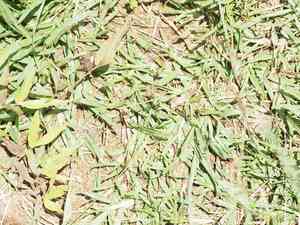
Stoloniferous growth forming a dense mat up to 2 feet (60 cm) in width.
2
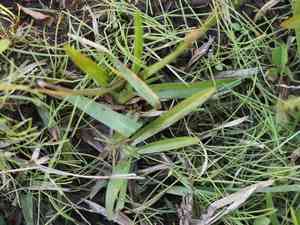
Distinct split at the tip of the narrow and long deep green leaves.
3
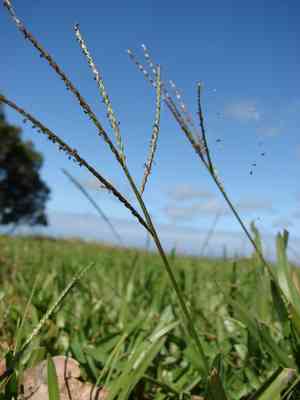
Slender spike-like raceme flowers measuring 1.5-4 inches (4-10 cm) in length.
4
Flowers lack pronounced fragrance, with subtle greenish to whitish hues.
5
Ovate caryopsis fruit, less than 0.2 inches (5 mm) in length, encased in glumes.
Scientific Classification of Common carpetgrass
Phylum
Vascular plants
Class
Monocotyledons
Order
Poales
Family
Grass
Genus
Carpet grasses
Species
Common carpetgrass
Planting and Growing of Common carpetgrass
Care Difficulty
Easy
Watering Schedule
Every 2 days
Sunlight Requirements
Full sun
Sunshine Duration
8-12 hours
Ideal Temperature
75-85℉
Soil Type
Potting Mix, Peat Mix
Soil pH
6.5-7.5
Fertilizer Type
Balanced
Pruning Season
Spring, Summer
Pruning Area
Branches, Leaves
Pruning Frequency
Once a year
Repotting Season
Spring
Pot Type
Ceramic, Plastic
 How to Water Common carpetgrass?
For Axonopus fissifolius, the watering amount should be enough to moisten the soil evenly without leaving it soggy. This usually means about 500 ml per watering session, ensuring the soil is moist but water is not pooling on the surface.
What are the symptoms of an underwatered Common carpetgrass?
›
What should I do if my Common carpetgrass is not getting enough water?
›
What are the symptoms of an overwatered Common carpetgrass?
›
How to save an overwatered Common carpetgrass?
›
 What Are the Sunlight Requirements for Common carpetgrass?
Axonopus fissifolius benefits from full to partial sun exposure, ideally between six to eight hours of sunlight daily. Such light conditions promote vibrant leaf color, encourage rapid, robust growth, and enhance the plant's stress resistance and overall well-being.
More About Sunlight Requirements Techniques→
What kind of lighting is ideal for Axonopus fissifolius?
›
How can I ensure Axonopus fissifolius receives ideal lighting?
›
What benefits come from ideal lighting for Axonopus fissifolius?
›
 What Is the Ideal Temperature Range for Common carpetgrass?
The ideal temperature range for Axonopus fissifolius is between 75°F and 85°F. These temperatures provide the best conditions for photosynthesis and nutrient absorption, leading to healthy growth.
 What Soil is Best for Common carpetgrass?
Axonopus fissifolius thrives in well-draining soil. Ensuring good drainage prevents waterlogging, which can lead to root rot, providing the plant with a healthier root environment. While it needs good drainage, this plant also benefits from some moisture retention. Loam soils balance water retention and drainage, maintaining consistent moisture without sogginess. A moderately fertile soil aids Axonopus fissifolius in achieving lush growth. The loamy texture often provides ample nutrients while allowing easy root expansion.
 How to Fertilize Common carpetgrass?
Axonopus fissifolius, known for its robustness, requires a moderate amount of fertilization. When using liquid fertilizer, apply it at a rate of 1-2 tablespoons per gallon of water. For slow-release fertilizers, 1 pound per 1000 square feet is generally sufficient. Avoid over-fertilizing to prevent nutrient burn.
 How to Prune Common carpetgrass?
Prune Axonopus fissifolius during its active growing seasons, Spring and Summer. During these times, the plant can quickly recover and push out new growth. This is the ideal period to enhance its shape and encourage a lush, green ground cover. Using sharp and clean shears or lawn scissors is essential to achieve clean cuts, preventing ragged edges that can lead to plant stress or disease entry points. Make sure your tools are well-maintained to facilitate an efficient pruning process. When pruning, aim to shape the plant evenly, promoting a uniform and attractive appearance. Additionally, remove any brown or dead leaves, thinning out dense areas to prevent overcrowding and ensuring that light and air can circulate freely to all parts of the plant.
More About Pruning Techniques→
 How to Propagate Common carpetgrass plant?
1
Ensure the soil is well-prepared by loosening it with a fork and adding organic compost. This improves drainage and provides nutritional support crucial for seed germination and plant division.
2
Sow the seeds evenly on the surface of the moist soil in seed trays. Lightly tamp down and cover with a thin layer of soil. Keep the soil moist and place trays in a well-lit area until germination occurs.
3
Carefully dig out an existing Axonopus fissifolius clump with a garden fork. Divide the plant into smaller sections ensuring each has a healthy root system. Replant the divisions promptly to avoid dehydration.
 How to Repot Common carpetgrass plant?
1
Axonopus fissifolius should be repotted when you notice roots growing out of the drainage holes or if its growth becomes stunted with yellowing leaves. These signs indicate that the plant has outgrown its container and requires more space to thrive. Spring and summer are the best seasons to repot as the plant is actively growing, which helps it recover from the stress of repotting more quickly.
2
Select a pot that is only slightly larger than the current one, about 2 inches wider in diameter. This ensures that your Axonopus fissifolius has room to grow without having too much excess soil, which can retain water and lead to root rot. Opt for pots with plenty of drainage holes to ensure good airflow and water drainage.
3
Use well-draining sandy loam soil to repot Axonopus fissifolius. This type of soil provides excellent drainage, preventing waterlogging that can cause root rot. It is loose enough to allow the roots to grow freely while retaining enough moisture and nutrients to keep the plant healthy and vigorous.



