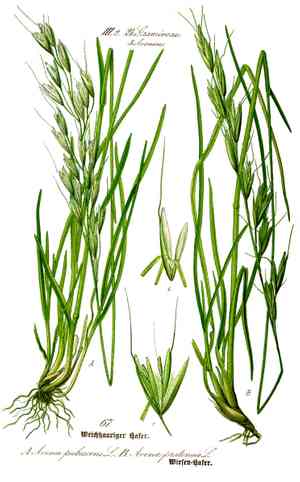
Downy Oat-grass (Avenula) (Avenula)
Also known as: Giant Oatgrass
A distinct feature of some genera indigenous to Europe and Asia is that they often consist of only a single recognized species.
In This Article
Attributes of Downy Oat-grass (Avenula)
Lifespan
Perennial
Plant Height
40 to 120 cm
Spread
N/A
Leaf Color
Green
Flower Size
N/A
Flower Color
Light brown or golden
Images of Downy Oat-grass (Avenula)
Quickly Identify Downy Oat-grass (Avenula)
1
Look for tall, tufted grasses with narrow, erect leaves and large, oat-like flower heads.
Scientific Classification of Downy Oat-grass (Avenula)
Phylum
Magnoliophyta
Class
Liliopsida
Order
Poales
Family
Poaceae
Genus
Avenula
Planting and Growing of Downy Oat-grass (Avenula)
Care Difficulty
Moderate
Watering Schedule
Every 3 days
Sunlight Requirements
Partial sun
Sunshine Duration
4-8 hours
Ideal Temperature
59-77℉
Soil Type
Potting Mix, Peat Mix
Soil pH
6.5-7.5
Fertilizer Type
Balanced
Pruning Season
Spring, Summer
Pruning Area
Branches, Leaves
Pruning Frequency
2 times a year
Repotting Season
Spring
Pot Type
Plastic, Ceramic
 How to Water Downy Oat-grass (Avenula)?
For Avenula, ensuring the soil is moistened without being waterlogged is key. Water about 250 ml per session, enough to reach the moderate root depth yet not saturating it. This amount aims to maintain optimal moisture while letting excess water drain away, mimicking its natural habitat.
What are the symptoms of an underwatered Downy Oat-grass (Avenula)?
›
What should I do if my Downy Oat-grass (Avenula) is not getting enough water?
›
What are the symptoms of an overwatered Downy Oat-grass (Avenula)?
›
How to save an overwatered Downy Oat-grass (Avenula)?
›
 What Are the Sunlight Requirements for Downy Oat-grass (Avenula)?
Avenula flourishes in environments with partial to full sun. This range ensures optimal photosynthesis, promoting vivid foliage and robust health, enhancing its presence in garden landscapes.
How much sunlight does Avenula need?
›
What are the benefits of Avenula receiving ideal sunlight?
›
How can I ensure Avenula receives the right amount of sunlight?
›
 What Is the Ideal Temperature Range for Downy Oat-grass (Avenula)?
For optimal growth and health, Avenula thrives best within a temperature range of 59 to 77°F. This range facilitates efficient photosynthesis, nutrient uptake, and overall plant vigor. Staying within these parameters ensures the plant's metabolic processes operate without stress.
 What Soil is Best for Downy Oat-grass (Avenula)?
Avenula thrives in well-drained soil to prevent root rot. Ensuring good drainage allows excess water to escape, preventing waterlogged conditions that could damage the plant's roots. This plant prefers nutrient-rich soils which provide essential minerals for growth. A loamy soil, enriched with organic matter, offers a balanced supply of nutrients for optimal development. Soils that retain moderate moisture are ideal as they help sustain the plant during dry periods without causing water stress. This balance is crucial for continuous growth and vigor.
 How to Fertilize Downy Oat-grass (Avenula)?
For Avenula, it's essential to use a balanced fertilizer that fits the plant's requirements. An application of 100 ml of liquid fertilizer every two weeks, or around 100 grams of slow-release fertilizer three times a year, is recommended. This helps in providing adequate nutrients without overloading the plant.
 How to Prune Downy Oat-grass (Avenula)?
Look for shoots that have grown too long or are messy. Focus on cutting back to a pair of healthy leaves to encourage new, more compact growth. Morning is the best time for pruning Avenula. This allows the cuts to heal during the day, reducing the risk of disease while the plant's defenses are active and light conditions are optimal.
 How to Propagate Downy Oat-grass (Avenula) plant?
1
Begin by filling a seed tray with a well-draining potting mix. Sow the Avenula seeds evenly across the surface, covering them lightly with a fine layer of soil or sand. This step ensures proper light exposure, which is beneficial for germination.
2
Before dividing the plant, water it thoroughly and let it sit overnight. This will ensure that the roots are hydrated and less prone to damage during the division process.
3
Once the Avenula plant has been divided, plant each segment into a prepared soil bed with similar conditions to the parent plant. Make sure the newly planted divisions are firm in the soil to reduce transplant shock.
 How to Repot Downy Oat-grass (Avenula) plant?
1
Repotting Avenula is best done when you notice that the roots are poking through the drainage holes or if the plant seems to have outgrown its current pot. Also, if you see wilting or slow growth despite proper care, it might indicate that the plant needs more space or fresh soil.
2
Choose a pot that is one size larger than the current one. Ensure it has good drainage holes to prevent waterlogging. A slightly larger pot provides adequate space for root growth without overwhelming the plant, which helps in maintaining its health and vigor.
3
Opt for a soil mix that offers excellent drainage, like a blend of potting soil with perlite or sand. This combination ensures that the roots receive enough oxygen and are less likely to rot, promoting a healthy and robust plant.

