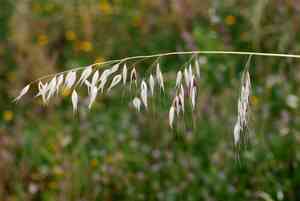
Wild oat (Avena fatua)
Also known as: Common wild oat, Spring oat, Flaxgrass
Wild oat (Avena fatua) is closely related to the cultivated oat, but it is distinguishable by its thinner, darker, and hairier seeds. Originating from the Eurasian region, wild oat has now spread to temperate zones worldwide. In cultivated oat and wheat fields, wild oat poses significant challenges. It competes for essential resources like nutrients, water, and sunlight, leading to decreased crop yields. Additionally, its seeds can mix with the harvested grain, reducing the quality and marketability of the crop. Wild oat can also serve as a host for pests and diseases, further complicating agricultural management efforts.
In This Article
Attributes of Wild oat
Lifespan
Annual
Plant Type
Herb
Plant Height
30 cm to 1.2 m
Spread
N/A
Leaf Color
Green
Flower Size
2.5 mm to 4 mm
Flower Color
Yellow Green Brown
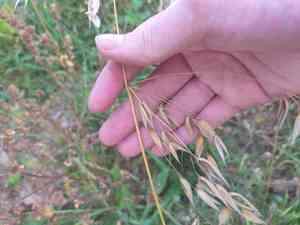
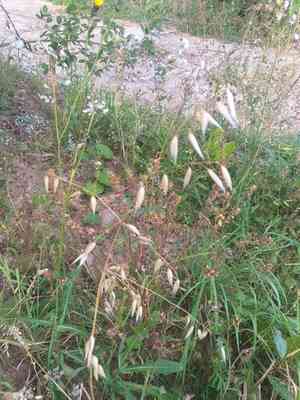
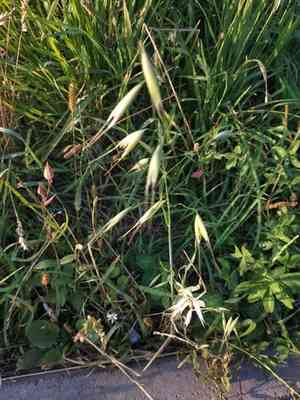
Images of Wild oat
Quickly Identify Wild oat
1
Wild oat can be identified by its slender, erect stems that can grow up to 1.5 meters tall. The leaves are narrow and rough to the touch, and the inflorescence is a loose panicle with long, open branches. The seeds are typically large, with a characteristic twisted awn.
Scientific Classification of Wild oat
Phylum
Vascular plants
Class
Monocotyledons
Order
Poales
Family
Grass
Genus
Oats
Species
Wild oat
Planting and Growing of Wild oat
Care Difficulty
Hard
Watering Schedule
Every 2 days
Sunlight Requirements
Full sun
Sunshine Duration
6-10 hours
Ideal Temperature
50-77℉
Soil Type
Potting Mix, Peat Mix
Soil pH
6-7.5
Fertilizer Type
Balanced
Pruning Season
Spring, Summer
Pruning Area
Branches, Leaves
Pruning Frequency
2 times a year
Repotting Season
Spring
Pot Type
Plastic, Ceramic
 How to Water Wild oat?
Avena fatua requires approximately 250 milliliters of water per session. The objective is to moisten the soil evenly without waterlogging. Wait until the top inch of soil is dry before watering again, ensuring balanced hydration for healthy growth.
What are the symptoms of an underwatered Wild oat?
›
What should I do if my Wild oat is not getting enough water?
›
What are the symptoms of an overwatered Wild oat?
›
How to save an overwatered Wild oat?
›
 What Are the Sunlight Requirements for Wild oat?
This plant thrives in full sun conditions, delighting in a plentiful supply of sunlight daily. Full sunlight maximizes photosynthesis, strengthens the plant, and enhances overall health and yield.
What is the ideal lighting condition for Avena fatua?
›
How can I provide the ideal lighting for Avena fatua?
›
What are the benefits of ideal lighting conditions for Avena fatua?
›
 What Is the Ideal Temperature Range for Wild oat?
Maintaining an ideal temperature range of 50°F to 77°F for Avena fatua is crucial as it ensures optimal growth and development. This range provides a balanced environment where the plant's physiological processes such as photosynthesis, respiration, and nutrient uptake can occur efficiently. Outside this range, the plant may experience stress, which can inhibit growth and reduce overall health.
 What Soil is Best for Wild oat?
Avena fatua thrives best in loam soil that offers excellent moisture retention while ensuring adequate drainage to prevent waterlogging. Such conditions promote healthy root development, crucial for the plant's robust growth. This plant prefers nutrient-rich soils that provide essential minerals and organic matter. A soil high in nutrients enhances seed development and vigor, making it ideal for Avena fatua's lifecycle. Structure and aeration are critical for Avena fatua as these facilitate root expansion and nutrient intake. A friable soil structure encourages beneficial microbial activity, essential for the plant's health.
 How to Fertilize Wild oat?
Avena fatua requires careful attention to fertilization to ensure robust growth. For liquid fertilizer, use approximately 100 ml per plant, diluted at a ratio of 1:10 with water. For slow-release fertilizers, apply about 50 grams per square meter. This provides balanced nutrition and promotes healthy development over time.
 How to Prune Wild oat?
Begin by identifying stems that are overly long, damaged, or appear to be impeding the growth of other stems. Selective pruning will enhance airflow and light penetration. When pruning, make your cuts at a 45-degree angle to prevent water from collecting on the cut surface. This will reduce the risk of rot developing at the cut site. Once you've completed pruning, collect and dispose of the pruned material properly. This helps prevent any possible spread of pests or diseases to other plants.
 How to Propagate Wild oat plant?
1
Begin by choosing a well-draining seed-starting mix. Sterilize the growing medium if possible to avoid any existing pathogens. Fill your seedling trays or pots with the medium, leaving about 1 cm (0.4 inches) from the top to allow space for watering.
2
Evenly distribute Avena fatua seeds over the surface of the prepared growing medium. Lightly press them into the mix, but do not bury them too deeply as it can hinder germination. Aim for a sowing depth of about 0.5 cm (0.2 inches).
3
Gently water the seeds using a fine mist or a watering can with a rose attachment to avoid displacing them. Keep the medium moist but not waterlogged. Cover the trays with a transparent lid or plastic wrap to create a greenhouse effect, promoting humidity.
 How to Repot Wild oat plant?
1
Avena fatua requires repotting when it outgrows its current pot or shows signs of reduced growth due to root crowding. An indicator is when the roots start encircling the pot's perimeter or protrude from drainage holes.
2
Select a pot that is 2-3 inches larger in diameter than the current one. A pot with adequate drainage holes is essential; this prevents waterlogging and promotes healthy root aeration, vital for this plant's growth.
3
Opt for a loamy, well-draining soil. This type of soil mimics the plant's natural environment, supports consistent moisture retention without waterlogging, and provides the necessary nutrients for robust growth.


