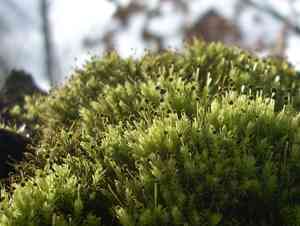
Aulacomnium moss (Aulacomnium androgynum)
Also known as: Bud-headed groove moss
Aulacomnium moss is distinguished by its lush, green cushions that typically adorn the damp, shaded floors of forests. Its star-shaped, upright sporophytes are prominent during its reproductive phase. This moss flourishes in cool, northern regions, often found on the bases of trees and decaying logs.
In This Article
Attributes of Aulacomnium moss
Lifespan
Perennial
Plant Height
1-3 cm
Spread
N/A - Moss does not form a typical crown
Leaf Color
Light green to yellow-green
Flower Size
N/A - Moss does not produce flowers
Flower Color
N/A - Moss does not produce flowers
Images of Aulacomnium moss
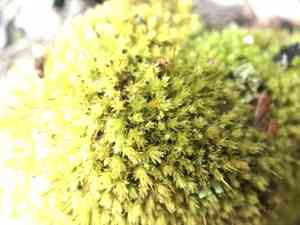
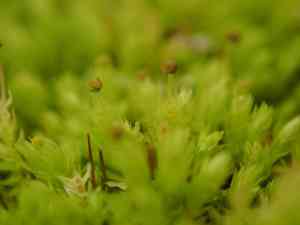
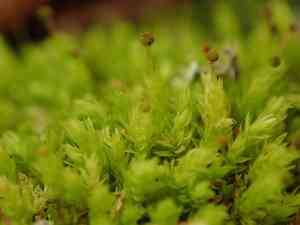
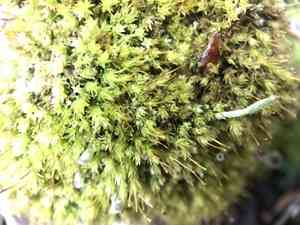
Quickly Identify Aulacomnium moss
1
This moss can be identified by its tufted growth form, light green to yellow-green color, and the presence of tiny reproductive structures (gemmae) on the stems which look like miniature apples.
Scientific Classification of Aulacomnium moss
Phylum
Bryophyta
Class
Bryopsida
Order
Bryales
Family
Aulacomniaceae
Genus
Aulacomnium
Planting and Growing of Aulacomnium moss
Care Difficulty
Moderate
Watering Schedule
Every 2 days
Sunlight Requirements
Partial sun
Sunshine Duration
4-8 hours
Ideal Temperature
50-65℉
Soil Type
Potting Mix, Peat Mix
Soil pH
4.5-6
Fertilizer Type
Balanced
Pruning Season
Spring, Summer
Pruning Area
Branches, Leaves
Pruning Frequency
2 times a year
Repotting Season
Spring
Pot Type
Plastic, Ceramic
 How to Water Aulacomnium moss?
For Aulacomnium androgynum, aim for watering just enough to keep the growing medium slightly damp without becoming soggy. Use approximately 100ml of water each time, ensuring the substrate is moistened evenly but not oversaturated.
What are the symptoms of an underwatered Aulacomnium moss?
›
What should I do if my Aulacomnium moss is not getting enough water?
›
What are the symptoms of an overwatered Aulacomnium moss?
›
How to save an overwatered Aulacomnium moss?
›
 What Are the Sunlight Requirements for Aulacomnium moss?
Partial sun exposure, ideally in shaded environments akin to forest understories, is beneficial. It ensures optimal growth without the adverse effects of excessive light, supporting both aesthetic and physiological aspects by maintaining vibrant foliage and robust structure.
What is the best type of light for Aulacomnium androgynum?
›
How to achieve ideal lighting for Aulacomnium androgynum?
›
What benefits do ideal lighting conditions offer?
›
 What Is the Ideal Temperature Range for Aulacomnium moss?
The ideal temperature range for Aulacomnium androgynum lies between 50°F and 65°F. In this range, the moss maintains optimal growth and vitality. Providing these conditions ensures that the moss can photosynthesize efficiently and retain necessary moisture levels.
 What Soil is Best for Aulacomnium moss?
Aulacomnium androgynum thrives in moisture-retentive soils that can hold water efficiently without becoming waterlogged. This quality is essential for sustaining its lush, green appearance, especially in drier conditions. Rich in organic material, the soil should provide adequate nutrients to support the moss's growth. This encourages healthy development and vibrant color, ensuring the plant remains robust and visually appealing. Prefers slightly acidic soils with a pH ranging from 4.5 to 6.0, ensuring optimal nutrient uptake and preventing potential nutrient lockouts that could hamper its growth.
 How to Fertilize Aulacomnium moss?
Aulacomnium androgynum typically requires a light hand when it comes to fertilization. Generally, a diluted liquid fertilizer at half strength is sufficient, as this moss prefers a less nutrient-rich environment compared to many other plants.
 How to Prune Aulacomnium moss?
When removing parts of Aulacomnium androgynum, make clean cuts at a slight angle. This technique promotes better healing and prevents water from collecting on the cut surfaces, reducing the risk of rot or disease. After pruning, gently remove any fallen debris or excess fluid from the plant’s surface. Leaving debris can harbor bacteria or block air circulation, affecting the moss's overall health.
More About Pruning Techniques→
 How to Propagate Aulacomnium moss plant?
1
Choose a healthy Aulacomnium androgynum plant with several growth points. A robust mother plant will increase the chances of successful division.
2
Water the plant thoroughly a day before division to reduce stress during the process and ensure the roots are not dry.
3
Carefully remove the plant from its container and separate the roots into sections, ensuring each section has a healthy root system and foliage.
 How to Repot Aulacomnium moss plant?
1
Aulacomnium androgynum shows it needs repotting when you notice roots coming out of drainage holes or a noticeable reduction in growth. The best time to repot is during its active growth period in spring or early autumn, which allows it to recover quickly. Make sure to repot only when these signs are evident, to avoid unnecessary stress on your plant.
2
Select a pot that is only one size larger than the current one to avoid excessive soil, which can retain moisture and lead to root rot. Good drainage is essential, so make sure the pot has multiple drainage holes to allow excess water to escape easily, promoting a healthy root environment.
3
Aulacomnium androgynum prefers soil that is moist yet well-draining. A mix of peat moss and perlite can provide the airy structure and moisture retention required. This type of soil will help to emulate the plant's natural habitat, promoting healthy growth and minimizing the risk of fungal infections.


