
Chinese aucuba (Aucuba chinensis)
Also known as: Chinese acuba
The Chinese aucuba is a robust evergreen shrub known for its glossy, leathery leaves, often adorned with yellow spots. Its ability to thrive in shaded areas makes it ideal for forest canopies. Additionally, its adaptability to urban environments is notable due to its resilience against pollution and varied soil conditions. In spring, it produces small purple-maroon flowers that transform into bright red berries, offering a vibrant contrast to its dark green foliage. This combination of aesthetic appeal, low maintenance, and environmental tolerance makes it suitable for both forest and urban settings.
In This Article
Attributes of Chinese aucuba
Lifespan
Perennial
Plant Type
Tree, Shrub
Plant Height
6 m
Spread
1 m to 3 m
Leaf Color
Green
Flower Size
5 cm
Flower Color
Red Purple Green
Images of Chinese aucuba
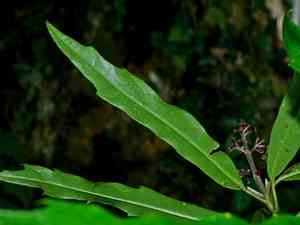
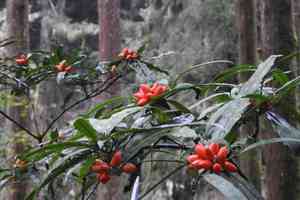
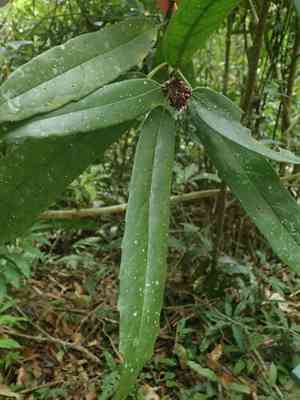
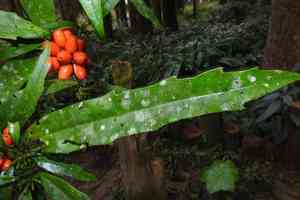
Quickly Identify Chinese aucuba
1
Look for broad, glossy leaves with serrated edges and yellow mottling. The plant often has a dense, bushy form and produces small purple flowers and red berries.
Scientific Classification of Chinese aucuba
Phylum
Vascular plants
Class
Dicotyledons
Order
Garryales
Family
Silk tassel
Genus
Aucuba
Species
Chinese aucuba
Planting and Growing of Chinese aucuba
Care Difficulty
Easy
Watering Schedule
Every 4 days
Sunlight Requirements
Partial sun
Sunshine Duration
4-8 hours
Ideal Temperature
60-75℉
Soil Type
Potting Mix, Peat Mix
Soil pH
5.5-7
Fertilizer Type
Balanced
Pruning Season
Spring, Summer
Pruning Area
Branches, Leaves
Pruning Frequency
2 times a year
Repotting Season
Spring
Pot Type
Plastic, Terracotta
 How to Water Chinese aucuba?
For Aucuba chinensis, it is crucial to maintain a balance in watering. The soil should be consistently moist but never waterlogged. Aim to water the plant with about 500 ml each time, ensuring the water reaches the root zone without causing root rot.
What are the symptoms of an underwatered Chinese aucuba?
›
What should I do if my Chinese aucuba is not getting enough water?
›
What are the symptoms of an overwatered Chinese aucuba?
›
How to save an overwatered Chinese aucuba?
›
 What Are the Sunlight Requirements for Chinese aucuba?
Partial sun to full shade environments are ideal for Aucuba chinensis, offering sunlight in moderation. This range supports healthy foliage and growth, enhancing color vibrancy and plant resistance to stress factors like pest attacks or disease outbreaks.
What is the ideal lighting condition for Aucuba chinensis?
›
How to achieve this ideal lighting?
›
What benefits does ideal lighting bring to the plant?
›
 What Is the Ideal Temperature Range for Chinese aucuba?
Aucuba chinensis thrives best in a temperature range of 60 to 75°F. Maintaining this range will ensure optimal growth and health of the plant. It is important to place the plant in an area where it can enjoy stable temperatures throughout the year, avoiding sudden spikes or drops in temperature. Consistent temperature within this range supports the plant's metabolic functions, including photosynthesis and nutrient absorption.
 What Soil is Best for Chinese aucuba?
Aucuba chinensis thrives in well-drained soil as it prevents waterlogging, which is crucial for avoiding root rot. Well-drained conditions ensure that the plant's roots receive adequate oxygen and nutrients, promoting healthy growth. While drainage is important, Aucuba chinensis also benefits from soil that retains some moisture. This balance helps maintain consistent soil moisture levels, preventing stress from drought conditions and supporting sustained foliage vitality. Aucuba chinensis prefers nutrient-rich loamy soil. The presence of organic matter enhances nutrient availability and supports microbial activity in the soil, which in turn improves plant health and growth.
 How to Fertilize Chinese aucuba?
For Aucuba chinensis, the fertilizer amount should be moderate. Apply liquid fertilizer at half the recommended strength to avoid over-fertilization. Each application should saturate the root zone without leaving excessive residue.
 How to Prune Chinese aucuba?
Start by identifying branches that are dead, damaged, or crossing others. Use clean, sharp pruning shears to make cuts at a slight angle just above a leaf node or bud. This encourages the plant to produce new, healthy growth. Prune the oldest stems first to rejuvenate the plant and maintain its natural form. Always step back and assess the plant’s shape as you prune to ensure a balanced look. Dispose of clippings properly to prevent any disease spread. Aucuba chinensis can grow quite bushy, so controlling its size is crucial for garden harmony. Focus on larger branches to thin the overall growth without altering the plant's natural shape. This management not only keeps the plant compact but also allows light to penetrate deeper, promoting the lush interior growth of the plant.
More About Pruning Techniques→
 How to Propagate Chinese aucuba plant?
1
Choose a mature and healthy Aucuba chinensis plant with no signs of disease for taking cuttings or seeds. This ensures that the new plants will have the best possible start.
2
Use a well-draining potting mix, often a blend of peat moss and perlite, to encourage proper drainage and root development for Aucuba chinensis cuttings.
3
Use a sterilized knife or pruning shears to take semi-hardwood cuttings from the plant. Remove lower leaves and dip the cut end into rooting hormone before planting.
 How to Repot Chinese aucuba plant?
1
Aucuba chinensis should be repotted when it shows signs of being root-bound, such as roots creeping out of the drainage holes or stunted growth. Another signal could be when the soil becomes compacted, affecting water drainage. Observing a poor reaction to watering—where the soil dries out too quickly or remains soggy—can also indicate it’s time for a new pot.
2
Select a pot that is 1-2 inches larger in diameter than the current one. It should have adequate drainage holes to prevent waterlogging. The material of the pot can range from plastic to terracotta, but it should accommodate the plant's size and root system. The right pot helps avoid overwatering issues and supports healthy root growth.
3
Choose a potting mix that is well-draining yet retains some moisture. Mixtures enriched with organic matter or compost are ideal. A light, airy soil structure supports root aeration and provides necessary nutrients, fostering vigorous plant growth and reducing the risk of root rot.



