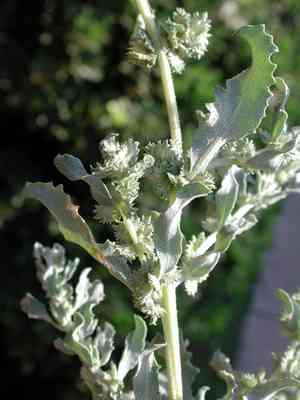
Saltbush (Atriplex) (Atriplex)
Also known as: Orache
Saltbushes, known as halophytes, thrive in areas with high salt concentrations. They are predominantly found in two main habitats: coastal shorelines and deserts with saline soils. Their unique ability to flourish in such challenging conditions makes them vital for providing food and shelter to various animals and insects in otherwise inhospitable environments.
In This Article
Attributes of Saltbush (Atriplex)
Lifespan
Annual, Perennial
Plant Height
0.5 to 3 meters
Spread
Varies, generally up to 1 meter
Leaf Color
Silvery-gray, green
Flower Size
Small, less than 1 cm
Flower Color
Greenish
Images of Saltbush (Atriplex)
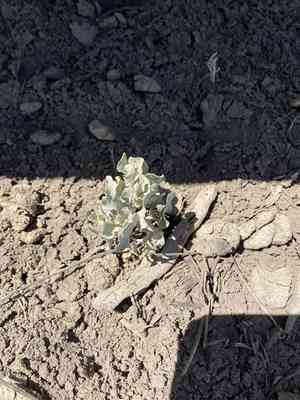
Quickly Identify Saltbush (Atriplex)
1
Atriplex plants can be identified by their silvery-gray leaves, which are often covered in tiny scales or hairs. The leaves are usually alternate, and the stems may be woody at the base. Flowers are small, greenish, and inconspicuous, often forming clusters.
Scientific Classification of Saltbush (Atriplex)
Phylum
Magnoliophyta
Class
Magnoliopsida
Order
Caryophyllales
Family
Amaranthaceae
Genus
Atriplex
Planting and Growing of Saltbush (Atriplex)
Care Difficulty
Easy
Watering Schedule
Every 2 days
Sunlight Requirements
Full sun
Sunshine Duration
4-8 hours
Ideal Temperature
65-75℉
Soil Type
Potting Mix, Peat Mix
Soil pH
6-8.5
Fertilizer Type
Balanced
Pruning Season
Spring, Summer
Pruning Area
Branches, Leaves
Pruning Frequency
2 times a year
Repotting Season
Spring
Pot Type
Plastic, Ceramic
 How to Water Saltbush (Atriplex)?
Atriplex, also known as saltbush, has adapted to arid environments. It requires moderate watering, approximately 250 ml each time, ensuring the soil becomes moist but not waterlogged. This mirrors the irregular rainfall patterns of its native habitat.
What are the symptoms of an underwatered Saltbush (Atriplex)?
›
What should I do if my Saltbush (Atriplex) is not getting enough water?
›
What are the symptoms of an overwatered Saltbush (Atriplex)?
›
How to save an overwatered Saltbush (Atriplex)?
›
 What Are the Sunlight Requirements for Saltbush (Atriplex)?
Atriplex thrives best in full sun to partial sun conditions. This light mix supports robust photosynthesis, heightens resilience to diseases, and enhances overall growth and vitality.
What amount of sunlight does Atriplex thrive in?
›
How can one ensure the ideal lighting for Atriplex?
›
What are the benefits of ideal lighting for Atriplex?
›
 What Is the Ideal Temperature Range for Saltbush (Atriplex)?
Atriplex thrives best in a temperature range of 65°F to 75°F. This range promotes optimal photosynthesis and metabolism, ensuring robust growth and development. Maintaining these conditions is crucial for the plant's physiological processes.
 What Soil is Best for Saltbush (Atriplex)?
Atriplex thrives in well-draining soil which prevents waterlogging. This is crucial because soggy conditions can lead to root rot. By ensuring well-draining conditions, you improve root aeration, vital for healthy growth. The plant does well in moderately fertile soil. High fertility is not essential, reducing the need for excessive fertilization and making it a low-maintenance choice for gardens. Atriplex plants prefer a neutral to alkaline pH level, adapting well to soils that others struggle with, providing versatility in different garden settings.
 How to Fertilize Saltbush (Atriplex)?
Atriplex generally requires a balanced application, so give about one tablespoon of a slow-release granular fertilizer per square foot. Liquid fertilizers should be diluted according to package instructions, typically to a quarter strength, to prevent any root burn.
 How to Prune Saltbush (Atriplex)?
Start by identifying dead, damaged, or crossing branches. These should be the first to go, as they don't contribute to the plant's health and may obstruct healthy growth. Cut back to a node or back to an outward-facing bud, which encourages growth in desired directions. Clear away dead growth to allow sunlight to penetrate and air to circulate within the plant. While pruning, aim to create a balanced shape that allows sunlight to reach different parts of the plant evenly. This helps in maintaining an aesthetic look and promotes even growth.
 How to Propagate Saltbush (Atriplex) plant?
1
Choose high-quality seeds from a reliable source. Inspect them for any signs of damage or disease. Soak them in water for 24 hours prior to planting to improve germination rates. It's important to start with healthy seeds to ensure successful propagation.
2
Select healthy and mature stems from an existing Atriplex plant. Use pruning shears to cut 4-6 inch sections just below a node. Remove any leaves from the lower part of the cutting to prevent rot and aid root development.
3
Plant seeds or cuttings in a well-draining soil mix. For seeds, scatter them evenly and cover them with a thin layer of soil. For cuttings, insert them into the soil about halfway. Ensure the soil remains slightly moist and place the containers in a location with indirect sunlight.
 How to Repot Saltbush (Atriplex) plant?
1
Atriplex plants show they need repotting when the roots start coming out of the drainage holes at the bottom of the pot or when growth noticeably slows. These signs indicate that the plant has outgrown its current pot and needs more space to thrive.
2
Select a pot that is slightly larger than the current one, ensuring it has good drainage holes. A slightly bigger pot not only provides room for growth but also prevents waterlogging, which can lead to root rot, a common issue with improper drainage.
3
Opt for well-draining sandy soil. This type of soil is crucial as it mimics the plant's natural environment, allowing excess water to quickly leave the pot, preventing root rot and ensuring the plant receives enough oxygen.
Learn More About Saltbush (Atriplex) Diseases
Anthracnose
Bacterial Leaf Spot
Bacterial Soft Rot
Bacterial Wilt
Chemical Injury
Cyst Nematode
Damping-off
Downy Mildew
Drought Stress
Fusarium Wilt
Gray Mold
Leaf Spot
Mosaic
Nutrient Deficiency
Nutrient Toxicity
Powdery Mildew
Root Rot
Root-knot Nematode
Rusts
Sooty Mold
Spider Mites
Temperature Stress
Thrips Damage
White Mold

