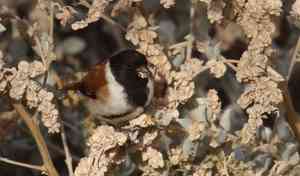
Bluegreen saltbush (Atriplex nummularia)
Also known as: Giant saltbush
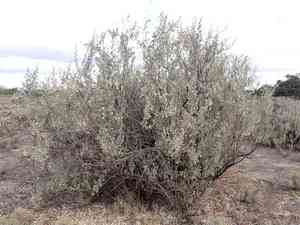
Bluegreen saltbush is a hardy, evergreen shrub with silvery-gray foliage and a spreading growth pattern. Its thick, succulent leaves play a crucial role in conserving water, allowing it to flourish in dry, arid climates. The plant's high salt tolerance is evident in its ability to thrive in saline soils. Small, understated flowers add a touch of subtle beauty, underscoring the plant's ability to endure and adapt in tough, dry landscapes.
In This Article
Attributes of Bluegreen saltbush
Lifespan
Perennial
Plant Type
Shrub, Succulent
Plant Height
3 m
Spread
2.5 m
Leaf Color
Silver-grey
Flower Size
Small, less than 1 cm
Flower Color
Yellow-green
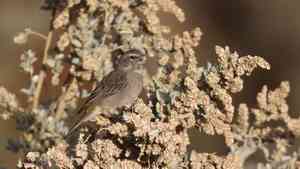
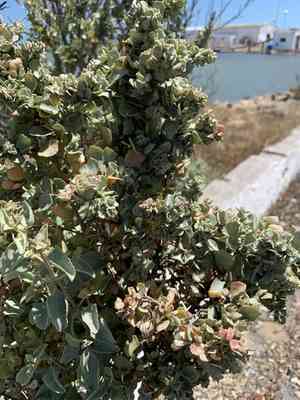
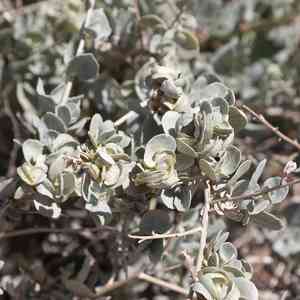
Images of Bluegreen saltbush
Quickly Identify Bluegreen saltbush
1
Atriplex nummularia can be identified by its silver-grey leaves, which are often rounded and slightly wavy. The plant has a sprawling growth habit and can reach up to 3 meters in height. Flowers are small, inconspicuous, and yellow-green in color.
Scientific Classification of Bluegreen saltbush
Phylum
Vascular plants
Class
Dicotyledons
Order
Caryophyllales
Family
Amaranth
Genus
Saltbush
Species
Bluegreen saltbush
Planting and Growing of Bluegreen saltbush
Care Difficulty
Easy
Watering Schedule
Every 2 days
Sunlight Requirements
Full sun
Sunshine Duration
6-10 hours
Ideal Temperature
50-85℉
Soil Type
Potting Mix, Peat Mix
Soil pH
6.5-7.5
Fertilizer Type
Balanced
Pruning Season
Spring, Summer
Pruning Area
Branches, Leaves
Pruning Frequency
Once a year
Repotting Season
Spring
Pot Type
Plastic, Ceramic
 How to Water Bluegreen saltbush?
For Atriplex nummularia, each watering session should provide approximately 500 mL of water. The goal is to moisten the soil without waterlogging it. The soil should feel slightly damp when you touch it but not soaked.
What are the symptoms of an underwatered Bluegreen saltbush?
›
What should I do if my Bluegreen saltbush is not getting enough water?
›
What are the symptoms of an overwatered Bluegreen saltbush?
›
How to save an overwatered Bluegreen saltbush?
›
 What Are the Sunlight Requirements for Bluegreen saltbush?
Atriplex nummularia prefers full sun to partial sun, reaping the benefits of high light levels which enhance growth, leaf coloration, and plant resilience.
What is the ideal light condition for Atriplex nummularia?
›
How can you achieve the ideal sunlight exposure for Atriplex nummularia?
›
What are the benefits of providing ideal sunlight to Atriplex nummularia?
›
 What Is the Ideal Temperature Range for Bluegreen saltbush?
Atriplex nummularia thrives in temperatures ranging from 50°F to 85°F. This range provides optimal conditions for photosynthesis and growth. Adequate warmth during the day ensures that metabolic processes are active, while cooler night temperatures allow for respiration and recovery.
 What Soil is Best for Bluegreen saltbush?
Atriplex nummularia thrives in well-drained soil, preventing root rot and promoting healthy plant growth. The ability of the soil to quickly drain excess water ensures that the roots remain aerated and do not succumb to fungal diseases, thereby ensuring robust plant health and vitality. This plant can adapt to nutrient-poor conditions, making it a perfect choice for less fertile areas. Its ability to survive and propagate even when nutrients are scarce means lower maintenance costs and less frequent fertilization, allowing it to thrive in areas where other plants might fail. Atriplex nummularia exhibits an impressive tolerance to saline soils, making it suitable for coastal and arid environments. Its adaptability to salt content in the soil enhances its range of cultivation, making it a reliable choice for challenging soil conditions.
 How to Fertilize Bluegreen saltbush?
For Atriplex nummularia, it is important to apply fertilizers judiciously. When using liquid fertilizers, dilute them to half the recommended strength to avoid over-fertilization. Generally, apply 1-2 cups of liquid fertilizer per plant depending on its size and health. For slow-release fertilizers, use about 25-30 grams per plant, ensuring even distribution around the root zone.
 How to Prune Bluegreen saltbush?
Choose sharp, clean pruning shears for the task. Sharp tools ensure clean cuts, which facilitate quick healing and minimize stress to the plant. Begin by removing any dead or damaged branches. These do not contribute to the plant's growth and can harbor diseases or pests. Trim the plant to form a desired shape, ideally maintaining its natural growth habit. Focus on evenly reducing the size while avoiding excessive cutting. Periodically step back and review your work. This perspective allows you to ensure the shape is even and aesthetically pleasing.
More About Pruning Techniques→
 How to Propagate Bluegreen saltbush plant?
1
Harvest seeds from a mature Atriplex nummularia plant during the autumn when the seed pods have dried. Ensure the seeds are fully mature by checking for a brown color and easily shattering pods.
2
Select a healthy branch from the plant and use pruning shears to cut a 10 to 15 cm long section. Make sure to cut right above a node to encourage root development.
3
Sow the collected seeds on a well-draining potting mix in seed trays. Lightly cover them with soil, and water gently to keep the medium moist without overwatering.
 How to Repot Bluegreen saltbush plant?
1
Repot Atriplex nummularia when you notice its roots poking through the drainage holes or the soil is compacted. Another sign is slower growth. Ideally, repotting should occur in early spring as new growth begins or in autumn after the intense heat of summer subsides.
2
Select a pot that is one size larger than the current one. Ensure it has drainage holes to prevent water from sitting at the bottom, which can lead to root rot. A terracotta pot is ideal as it allows the roots to breathe and helps prevent overwatering.
3
Use a well-draining sandy loam soil mix. The soil should contain enough sand to facilitate drainage, as Atriplex nummularia prefers dry conditions. A bit of organic matter included in the mix ensures nutrients are available for the plant's growth.
Learn More About Bluegreen saltbush Diseases
Anthracnose
Bacterial Leaf Spot
Bacterial Soft Rot
Bacterial Wilt
Chemical Injury
Damping-off
Downy Mildew
Drought Stress
Fusarium Wilt
Gray Mold
Leaf Spot
Mosaic
Nutrient Deficiency
Nutrient Toxicity
Powdery Mildew
Root Rot
Root-knot Nematode
Rusts
Sooty Mold
Spider Mites
Temperature Stress
Thrips Damage
White Mold



