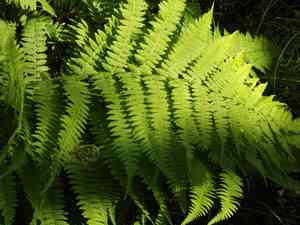
Glandular ladyfern (Athyrium brevifrons)
Also known as: None
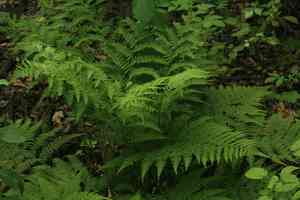
The glandular ladyfern (Athyrium filix-femina) features delicate, cascading fronds that can grow up to 60 cm long. Its finely divided, lacy fronds resemble miniature ferns. This fern thrives in moist, shaded environments such as woodlands, stream banks, and wet meadows. It prefers a humid, temperate climate where its vibrant green fronds add to the lushness of the understory.
In This Article
Attributes of Glandular ladyfern
Lifespan
Perennial
Plant Type
Fern
Plant Height
Typically up to 2 feet
Spread
Approximately 1 to 2 feet
Leaf Color
Green
Flower Size
None
Flower Color
None
Images of Glandular ladyfern
Quickly Identify Glandular ladyfern
1
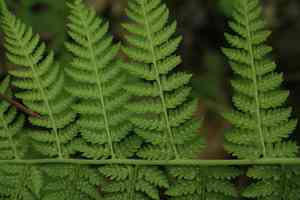
Look for the finely divided, feathery fronds that are typical of many Athyrium species. The fronds tend to be broader at the base and taper towards the tip.
Scientific Classification of Glandular ladyfern
Phylum
Vascular plants
Class
Ferns
Order
Polypodiales
Family
Ladyferns and allies
Genus
Lady ferns
Species
Glandular ladyfern
Planting and Growing of Glandular ladyfern
Care Difficulty
Easy
Watering Schedule
Every 4 days
Sunlight Requirements
Partial sun
Sunshine Duration
4-6 hours
Ideal Temperature
60-75℉
Soil Type
Potting Mix, Peat Mix
Soil pH
6-7.5
Fertilizer Type
Balanced
Pruning Season
Spring, Summer
Pruning Area
Branches, Leaves
Pruning Frequency
2 times a year
Repotting Season
Spring
Pot Type
Plastic, Ceramic
 How to Water Glandular ladyfern?
For Athyrium brevifrons, water until the soil feels slightly damp but not soggy. Using approximately 250 milliliters ensures it receives adequate moisture without waterlogging. Always use the finger test to feel the top inch of soil before deciding if it needs more water.
What are the symptoms of an underwatered Glandular ladyfern?
›
What should I do if my Glandular ladyfern is not getting enough water?
›
What are the symptoms of an overwatered Glandular ladyfern?
›
How to save an overwatered Glandular ladyfern?
›
 What Are the Sunlight Requirements for Glandular ladyfern?
Athyrium brevifrons thrives best in partial to full shade. Ideal lighting results in lush, green foliage and supports overall plant vigor, preventing disease and enhancing aesthetic appeal.
What is the optimal lighting for Athyrium brevifrons?
›
How can I ensure Athyrium brevifrons gets ideal lighting?
›
What benefits does ideal lighting offer Athyrium brevifrons?
›
 What Is the Ideal Temperature Range for Glandular ladyfern?
For optimal growth, Athyrium brevifrons thrives within a temperature range of 60°F to 75°F. This range provides the best conditions for consistent growth and prevents stress that might arise from temperatures outside this range. Maintaining these temperatures ensures that the plant can photosynthesize effectively and maintain healthy metabolic functions.
 What Soil is Best for Glandular ladyfern?
Athyrium brevifrons thrives in well-drained soil that allows for excellent water permeability. This prevents root rot by not retaining too much water, crucial for ferns as they prefer a consistently moist but not waterlogged environment. This plant benefits greatly from soil that is rich in organic matter. Compost or leaf mold helps retain moisture while providing essential nutrients, promoting vigorous growth and lush foliage. A preference for slightly acidic conditions aids in nutrient uptake for Athyrium brevifrons. Soil pH in the range of 6.0 to 7.5 optimizes availability of essential nutrients like nitrogen and phosphorus.
 How to Fertilize Glandular ladyfern?
For Athyrium brevifrons, it's crucial to administer the right amount of fertilizer to avoid nutrient imbalance. Typically, use half the recommended dose on the fertilizer label, approximately 1 teaspoon per gallon for liquid fertilizers. This ensures the plant receives adequate nutrients without overloading its delicate root system.
 How to Prune Glandular ladyfern?
Begin by inspecting the plant thoroughly. Look for any dead, damaged, or discolored fronds. These should be your primary targets for removal to encourage new, healthier growth. Gently hold the frond you wish to remove and make a clean cut at the base, close to the soil. Ensure that the cuts are smooth and do not tear the plant tissue, which can invite pests and diseases. If the plant appears overcrowded, selectively remove some of the older fronds to allow light and air to reach all parts of the plant. This thinning process will prevent mold and mildew common in densely packed foliage. After pruning, keep a close watch on the plant's new growth. Adequate watering and fertilization post-pruning can promote faster recovery and help the plant thrive with renewed vigor.
More About Pruning Techniques→
 How to Propagate Glandular ladyfern plant?
1
Choose a mature and healthy Athyrium brevifrons for division. Healthy plants increase the likelihood of successful propagation, as they are more resilient to stress and damage.
2
Ensure the soil is moist and well-draining before division. This reduces plant stress and promotes root growth, which is crucial for the survival of the new divisions.
3
Carefully dig up the plant and break apart the root ball into smaller sections, each with an adequate number of rhizomes and fronds. This allows each division to recover and blossom independently.
 How to Repot Glandular ladyfern plant?
1
Athyrium brevifrons signals its need for repotting when its roots begin to emerge from the drainage holes or when growth noticeably slows. This usually occurs every 2-3 years. Ideally, you should repot during spring or autumn when the plant is not in its active growing phase.
2
Select a pot that is a couple of inches larger in diameter than the current one. This provides sufficient space for root growth. A pot with good drainage is crucial to avoid water logging and root rot, promoting a healthier root system and plant vigor.
3
Opt for a well-draining, moist soil mix that can retain enough moisture without becoming waterlogged. Using an organic-rich soil supports the plant's nutritional needs. This kind of soil prevents water stagnation, ensuring the roots have ample oxygen and nutrients, enhancing overall plant health.



