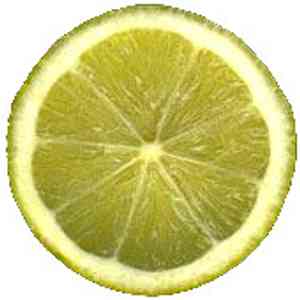
Chinese box orange (Atalantia buxifolia)
Also known as: Boxthorn, Box-leaved Atalantia
The Chinese Box Orange, native to China and part of the citrus family, is sometimes grown for its foliage and durable white wood.
In This Article
Attributes of Chinese box orange
Lifespan
Perennial
Plant Type
Shrub
Plant Height
2.5 m
Spread
About 1 meter
Leaf Color
Green
Flower Size
1 to 2 cm
Flower Color
White
Images of Chinese box orange
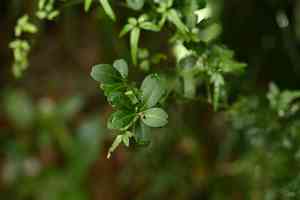
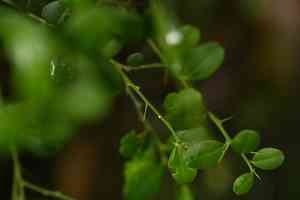
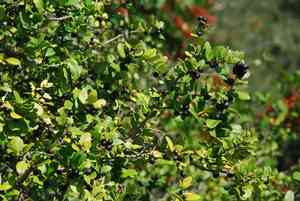
Quickly Identify Chinese box orange
1
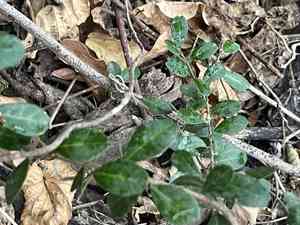
Atalantia buxifolia can be identified by its compact, box-like leaves which are small, shiny, and leathery. The plant also produces small white flowers followed by orange-like fruits.
Scientific Classification of Chinese box orange
Phylum
Vascular plants
Class
Dicotyledons
Order
Sapindales
Family
Rue
Genus
Citrus fruit trees
Species
Chinese box orange
Planting and Growing of Chinese box orange
Care Difficulty
Easy
Watering Schedule
Every 3 days
Sunlight Requirements
Full sun
Sunshine Duration
6-10 hours
Ideal Temperature
60-75℉
Soil Type
Potting Mix, Peat Mix
Soil pH
6.5-7.5
Fertilizer Type
Balanced
Pruning Season
Spring, Summer
Pruning Area
Branches, Leaves
Pruning Frequency
2 times a year
Repotting Season
Spring
Pot Type
Plastic, Terracotta
 How to Water Chinese box orange?
When watering Atalantia buxifolia, make sure the soil is moistened throughout but not waterlogged. The amount should be about 250ml, enough to see a little moisture coming out of the drainage holes at the bottom of the pot but not so much that it sits in a saucer.
What are the symptoms of an underwatered Chinese box orange?
›
What should I do if my Chinese box orange is not getting enough water?
›
What are the symptoms of an overwatered Chinese box orange?
›
How to save an overwatered Chinese box orange?
›
 What Are the Sunlight Requirements for Chinese box orange?
Atalantia buxifolia thrives in full to partial sun, where it can grow healthily and maintain vibrant foliage while potential flowering is enhanced.
More About Sunlight Requirements Techniques→
What is the best position for Atalantia buxifolia to receive optimal sunlight?
›
How can one ensure consistent lighting for Atalantia buxifolia?
›
What are the benefits of receiving ideal light conditions for Atalantia buxifolia?
›
 What Is the Ideal Temperature Range for Chinese box orange?
Atalantia buxifolia thrives best in a mild temperature range from 60°F to 75°F. This range creates a balanced environment that supports healthy growth and flowering, providing the optimal warmth for photosynthesis and metabolic processes.
 What Soil is Best for Chinese box orange?
Atalantia buxifolia thrives in soil that is rich in organic matter, providing essential nutrients for growth and fruiting. This nutrient-rich environment supports robust root development and ensures the plant's overall health and productivity. This plant requires well-draining soil to prevent root rot and other moisture-related issues. Proper drainage helps maintain optimal moisture levels in the root zone, promoting healthy growth and sustaining the plant during dry spells. Applying mulch around the base of Atalantia buxifolia maintains soil moisture and regulates temperature. Mulching also reduces weed competition, allowing the plant to absorb more nutrients and water, fostering vigorous growth.
 How to Fertilize Chinese box orange?
For Atalantia buxifolia, the fertilizer amount should be balanced. Use a liquid fertilizer diluted to half its strength or utilize a balanced slow-release fertilizer sparingly to avoid root burn. Approximately 50 ml of liquid fertilizer per application is recommended, avoiding direct contact with leaves or stems.
 How to Prune Chinese box orange?
Begin by identifying dead, diseased, or crossing branches. These should be removed first as they can hinder growth and harbor pathogens. Look for weak branches that don’t contribute to the plant's shape and vigor. Maintain a rounded, balanced shape by trimming overextended branches. This promotes an even distribution of foliage and enhances the plant’s natural form. Regular shaping also ensures better light penetration throughout the shrub. Cut back to just above a node to trigger new, vigorous growth. This technique is crucial for promoting bushier and denser foliage. Regular but conservative trimming helps in sustaining a compact, attractive appearance.
 How to Propagate Chinese box orange plant?
1
Choose non-flowering, healthy stems for cuttings that are about 4-6 inches long. Make sure the cuttings have several leaves and are free of pests or diseases.
2
Remove the leaves from the bottom half of the cutting and dip the cut end into rooting hormone. This preparation helps in promoting root development when planted.
3
Insert the cuttings into a well-draining potting mix, ensuring at least one node is buried. It's important to keep the soil moist but not waterlogged to facilitate rooting.
 How to Repot Chinese box orange plant?
1
Atalantia buxifolia, commonly known as box-leaved atalantia, exhibits signs of needing repotting when its roots outgrow the current pot, emerging from the drainage holes or becoming root-bound. Ideally, repot in Spring or early Summer, as increased daylight and growth rates aid adaptation.
2
Select a pot slightly larger than the current one, with ample drainage holes to prevent waterlogging. This size allows for gradual root expansion without overwhelming the plant, maintaining optimal hydration and nutrient uptake.
3
Use a well-draining sandy mix to ensure swift water evacuation, preventing root rot. Such soil imitates the natural habitat of Atalantia buxifolia, providing aeration while holding nutrients essential for robust plant growth.



