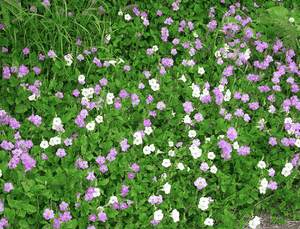
Asystasia gangetica (Asystasia gangetica)
Also known as: Asystasia gangetica
In This Article
Images of Asystasia gangetica
Scientific Classification of Asystasia gangetica
Phylum
Tracheophyta
Class
Magnoliopsida
Order
Lamiales
Family
Acanthaceae
Genus
Asystasia
Species
gangetica
Planting and Growing of Asystasia gangetica
Watering Schedule
Every 4 days
Sunlight Requirements
Partial sun
Sunshine Duration
6-10 hours
Ideal Temperature
68-86℉
Soil Type
Potting Mix, Peat Mix
Soil pH
6.5-7.5
Fertilizer Type
Balanced
Pruning Season
Spring, Summer
Pruning Area
Branches, Leaves
Pruning Frequency
2 times a year
Repotting Season
Spring
Pot Type
Plastic, Ceramic
 How to Water Asystasia gangetica?
When watering Asystasia gangetica, ensure the soil is moist but not waterlogged. A good approach is to water deeply until it begins to drain through the container's bottom. This ensures the roots get adequate moisture without drowning in excess water.
More About Watering Techniques→
What are the symptoms of an underwatered Asystasia gangetica?
›
What should I do if my Asystasia gangetica is not getting enough water?
›
What are the symptoms of an overwatered Asystasia gangetica?
›
How to save an overwatered Asystasia gangetica?
›
 What Are the Sunlight Requirements for Asystasia gangetica?
Partial sun is ideal, offering 4-6 hours of sunlight, ensuring healthy foliage and consistent blooms for Asystasia gangetica.
More About Sunlight Requirements Techniques→
Where should I place Asystasia gangetica for optimal growth?
›
How can I ensure Asystasia gangetica gets its ideal light exposure?
›
What benefits does Asystasia gangetica gain from ideal lighting conditions?
›
 What Is the Ideal Temperature Range for Asystasia gangetica?
Asystasia gangetica thrives best within temperatures ranging from 68°F to 86°F. This temperature range supports optimal growth, allowing the plant to maintain healthy photosynthesis and nutrient uptake. Maintaining this temperature ensures that the plant remains in its peak physiological state, promoting robust flowering and a vibrant growth rate.
 What Soil is Best for Asystasia gangetica?
Asystasia gangetica thrives in well-drained soil, ensuring that water does not stagnate around its roots. Adequate drainage prevents root rot and encourages healthy growth, leading to a more vibrant plant. This plant prefers soil with moderate fertility. Overly rich soil can lead to excessive foliage growth at the expense of flowers, hence a balanced nutrient level is optimal for a harmonious development. Consistent moisture is crucial, but the soil should not be waterlogged. This balance ensures that the plant remains hydrated without risking root damage, promoting continuous growth and flowering.
More About Soil→
 How to Fertilize Asystasia gangetica?
For Asystasia gangetica, the fertilizer amount should be carefully measured. Use a balanced liquid fertilizer diluted to half strength at a rate of about 1 tablespoon per gallon of water. For slow-release fertilizers, apply about 3 ounces per plant per application. This calibration ensures that the nutrients are adequately supplied without overwhelming the plant's system, encouraging robust growth.
More About Fertilizing Techniques→
 How to Prune Asystasia gangetica?
Begin by identifying and cutting back overgrown stems. Use clean, sharp pruning shears to make a cut just above a leaf node, as this encourages new growth. Aim to shape the plant for desired aesthetics while ensuring airflow and sunlight penetration. Carefully inspect the plant for any dead or diseased branches. Cut these parts back to healthy tissue, making sure the cut is clean. This prevents the spread of disease and encourages healthy growth in other parts of the plant.
More About Pruning Techniques→
 How to Propagate Asystasia gangetica plant?
1
Collect seeds from mature Asystasia gangetica plants. Clean and dry them before planting to prevent mold. This ensures successful germination and reduces the risk of seedling disease.
2
Choose healthy and mature stems for cuttings. The stems should be firm with at least two or three nodes. This increases the chances of successful rooting by using robust and viable plant material.
3
Divide the root mass during the spring season when the plant is not in active growth. Each division should have roots attached to support its individual growth, ensuring plant vitality.
 How to Repot Asystasia gangetica plant?
1
Keep an eye on the roots peeking out from drainage holes as a signal for repotting. Also, notice if the plant is growing slower or the soil dries out very quickly. These are telltale signs that your Asystasia gangetica needs a new home.
2
Choose a pot that is only slightly larger than the current one. This prevents overwatering by ensuring the plant doesn't sit in too much excess soil. Using a pot with drainage holes is crucial to avoid root rot, allowing excess water to escape.
3
Opt for a well-draining potting mix, which is essential for preventing waterlogging and promoting aeration. A mix containing perlite or sand is ideal, as it enhances drainage and helps the roots to breathe, keeping the plant healthy and vibrant.
Learn More About Asystasia gangetica Diseases
Anthracnose
Bacterial Leaf Spot
Bacterial Wilt
Damping-off
Downy Mildew
Drought Stress
Fusarium Wilt
Gray Mold
Leaf Curl
Leaf Spot
Mosaic
Nutrient Deficiency
Nutrient Toxicity
Powdery Mildew
Root Rot
Root-knot Nematode
Rusts
Sooty Mold
Spider Mites
Temperature Stress
Thrips Damage
White Mold
Chemical Injury



