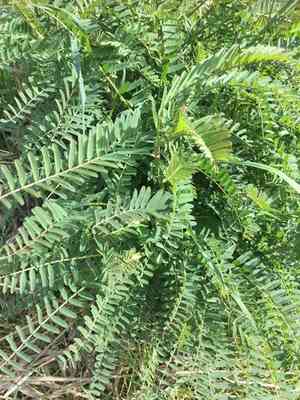
Milkvetch (Astragalus) (Astragalus)
Also known as: Goat's-thorn
The largest genus in the plant world, in terms of generally-recognized species, is *Astragalus*, commonly known as milkvetch. This genus encompasses thousands of species and is predominantly found in temperate areas of the Northern Hemisphere. Key characteristics of these plants include their compound pinnate leaves and their flowers, which typically form in clusters called racemes.
In This Article
Attributes of Milkvetch (Astragalus)
Lifespan
Perennial
Plant Height
30-100 cm
Spread
Varies widely depending on species
Leaf Color
Green
Flower Size
0.5-1.5 cm
Flower Color
Yellow, purple, pink, or white
Images of Milkvetch (Astragalus)
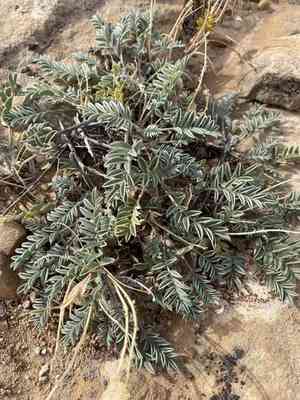
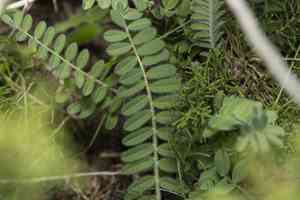
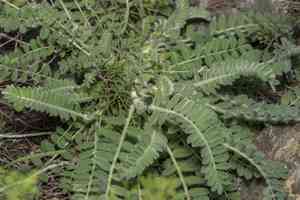
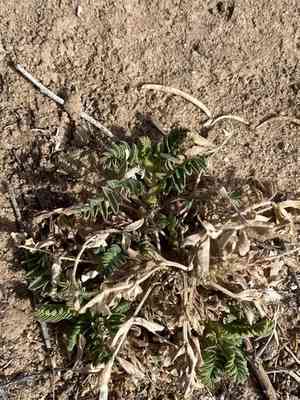
Quickly Identify Milkvetch (Astragalus)
1
Identify Astragalus by its pinnate leaves, small pea-like flowers, and often inflated pod-like fruits. The flowers can range in color, but many are yellow or purple.
Scientific Classification of Milkvetch (Astragalus)
Phylum
Tracheophyta
Class
Magnoliopsida
Order
Fabales
Family
Fabaceae
Genus
Astragalus
Planting and Growing of Milkvetch (Astragalus)
Care Difficulty
Moderate
Watering Schedule
Every 4 days
Sunlight Requirements
Full sun
Sunshine Duration
6-12 hours
Ideal Temperature
65-75℉
Soil Type
Potting Mix, Peat Mix
Soil pH
6.5-7.5
Fertilizer Type
Balanced
Pruning Season
Spring, Summer
Pruning Area
Branches, Leaves
Pruning Frequency
2 times a year
Repotting Season
Spring
Pot Type
Plastic, Ceramic
 How to Water Milkvetch (Astragalus)?
When watering Astragalus, ensure the soil is moistened evenly but not waterlogged. Aim for about 300 ml per watering as a rule of thumb, adjusting slightly based on the weather and soil drainage. Water until you see excess liquid begin to drain out from the pot's bottom, ensuring the roots have adequate moisture without suffocating.
What are the symptoms of an underwatered Milkvetch (Astragalus)?
›
What should I do if my Milkvetch (Astragalus) is not getting enough water?
›
What are the symptoms of an overwatered Milkvetch (Astragalus)?
›
How to save an overwatered Milkvetch (Astragalus)?
›
 What Are the Sunlight Requirements for Milkvetch (Astragalus)?
Astragalus thrives in full to partial sun environments. Providing such lighting supports effective photosynthesis and results in strong growth and bloom. Consistent exposure to this light range encourages resilience and maximizes the plant's health benefits.
What is the ideal sunlight exposure for Astragalus?
›
How can I achieve ideal lighting conditions for Astragalus?
›
What benefits does Astragalus experience with ideal lighting?
›
 What Is the Ideal Temperature Range for Milkvetch (Astragalus)?
The ideal temperature range for growing Astragalus is between 65°F and 75°F. Within this range, the plant can effectively carry out photosynthesis, leading to robust growth and vitality. These temperatures are common in temperate climates where Astragalus naturally thrives.
 What Soil is Best for Milkvetch (Astragalus)?
Astragalus favors soils that offer excellent drainage, preventing waterlogging that can lead to root rot. This quality is vital for ensuring robust growth and helping the plant establish its root system efficiently. The plant thrives in soils rich in nutrients, which provide essential elements necessary for optimal growth. This nutrient abundance promotes healthy foliage and vibrant blooms, ensuring the plant's vitality. A moderate amount of organic matter in the soil benefits Astragalus by improving soil structure and maintaining moisture levels, which are crucial for sustaining its growth in varying weather conditions.
 How to Fertilize Milkvetch (Astragalus)?
For Astragalus, maintain a fertilizing regimen that balances nutrient availability without overwhelming the plant. Use a balanced liquid fertilizer diluted to half the recommended strength for regular use. Apply 200ml per plant, ensuring it blends well into the soil to prevent nutrient burn or deficiency.
 How to Prune Milkvetch (Astragalus)?
Begin by removing any dead or damaged stems, cutting back to healthy wood. Use clean, sharp instruments to avoid disease transmission. Trim any leggy or sparse branches to encourage dense, bushy growth. This promotes more blooms and reduces vulnerability to pests and diseases. Utilize pruning shears to shape the plant to your desired form, keeping it compact and aesthetically pleasing. Focus on maintaining an open center which encourages airflow and sun penetration. This can help reduce potential problems with mildew and promote a healthier plant overall.
 How to Propagate Milkvetch (Astragalus) plant?
1
Soak Astragalus seeds in warm water for 24 hours to soften the seed coat and promote better germination. This step is crucial for overcoming the hard seed coat.
2
Sow the prepared seeds in a seed tray filled with moist, well-draining soil. Lightly cover the seeds with soil to allow light penetration, which aids in germination.
3
Select healthy stems from the mother plant for cuttings, making sure they are disease-free and at least 4-6 inches long. Make a clean cut just below a node.
 How to Repot Milkvetch (Astragalus) plant?
1
Astragalus shows signs of needing a repot when growth is stunted, roots are visible through the drainage holes, or the soil no longer retains moisture. Spring or Autumn is ideal for repotting because the plant is generally less stressed during these seasons.
2
Select a pot that is just slightly larger than the current one, with good drainage holes. A pot that's too large can hold excess moisture, which might lead to root rot. A right-sized pot aids in moisture control and supports healthy root development.
3
Astragalus thrives in a well-draining, sandy soil mix. The right soil ensures proper drainage and prevents waterlogged conditions, helping to mimic the plant's natural environment and promoting healthy growth overall.
Learn More About Milkvetch (Astragalus) Diseases
Anthracnose
Bacterial Leaf Spot
Bacterial Wilt
Crown Gall
Cyst Nematode
Damping-off
Downy Mildew
Drought Stress
Fusarium Wilt
Gray Mold
Leaf Curl
Leaf Spot
Mosaic
Nutrient Deficiency
Nutrient Toxicity
Powdery Mildew
Root Rot
Root-knot Nematode
Rusts
Sooty Mold
Spider Mites
Temperature Stress
Thrips Damage
White Mold

