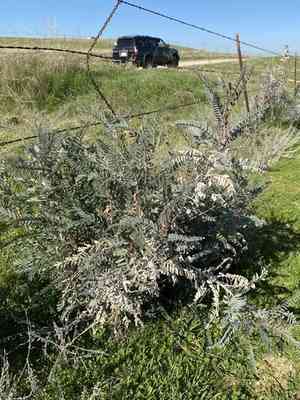
Mt. diablo milkvetch(Astragalus oxyphysus)

Mt. diablo milkvetch (Astragalus oxyphysus)

Also known as: Diablo milkvetch, Crescent milkvetch

The Mt. Diablo milkvetch (Astragalus tener var. tener) is an annual herb notable for its low, sprawling growth and delicate pink to purple pea-like flowers. It is adapted to grassland and coastal scrub habitats, often flourishing in clay-rich soils.

**Characteristics:**
1. **Growth Form:** Low-growing, sprawling annual herb.
2. **Flowers:** Small, pink to purple pea-like blossoms that bloom in spring.
3. **Leaves:** Pinnately compound leaves with several small leaflets.
4. **Habitat:** Found in grasslands and coastal scrub, particularly in areas with clay soils.

**Ecological Benefits:**
1. **Soil Fertility:** Enhances soil health through nitrogen fixation, converting atmospheric nitrogen into forms usable by other plants.
2. **Biodiversity Support:** Attracts and provides nourishment for various pollinators, including bees.
3. **Erosion Prevention:** Stabilizes the soil with its root systems, helping to prevent erosion.
4. **Habitat Indicator:** Serves as an indicator of undisturbed, healthy ecosystems, reflecting specific soil and climatic conditions.

Attributes of Mt. diablo milkvetch

Lifespan
Perennial
Plant Type
Herb
Plant Height
30-60 centimeters
Spread
N/A
Leaf Color
Green
Flower Size
1-2 centimeters
Flower Color
Cream

ForwardPlant - Identify plants with a snap

Identify and diagnose plants, get toxicity alerts, and explore safety guides for all types of fungi.

Try for Free

Images of Mt. diablo milkvetch

Mt. diablo milkvetch(Astragalus oxyphysus)

Quickly Identify Mt. diablo milkvetch

1
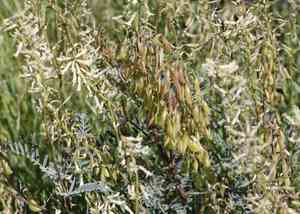
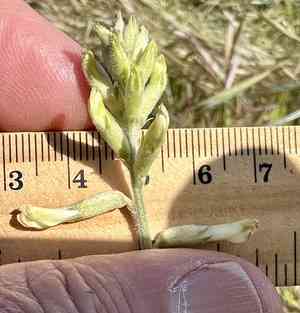
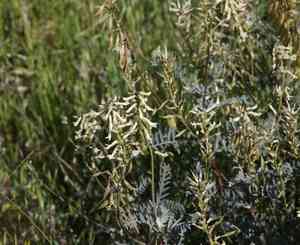
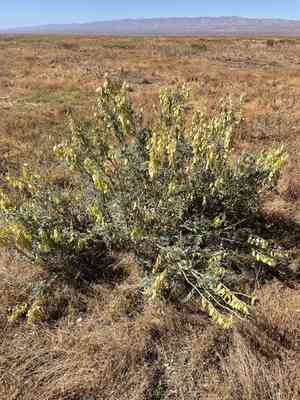
Astragalus oxyphysus can be identified by its pinnate leaves, typically with 11-23 leaflets. The plant has a dense inflorescence of cream-colored flowers and produces curved, crescent-shaped pods.

Scientific Classification of Mt. diablo milkvetch

Phylum
Vascular plants
Class
Dicotyledons
Order
Fabales
Family
Legume
Genus
Milkvetch
Species
Mt. diablo milkvetch

Planting and Growing of Mt. diablo milkvetch

Care Difficulty
Moderate
Watering Schedule
Every 2 days
Sunlight Requirements
Full sun
Sunshine Duration
4-6 hours
Ideal Temperature
65-77℉
Soil Type
Potting Mix, Peat Mix
Soil pH
6.5-7.5
Fertilizer Type
Balanced
Pruning Season
Spring, Summer
Pruning Area
Branches, Leaves
Pruning Frequency
2 times a year
Repotting Season
Spring
Pot Type
Plastic, Ceramic

water icon How to Water Mt. diablo milkvetch?

When watering Astragalus oxyphysus, it's important to follow the principle of thorough saturation, ensuring the roots receive ample moisture without letting excess water sit in the soil. Aim for around 500 ml of water per session, allowing the soil to get completely wet, but not waterlogged. The water should be enough to moisten the entire root zone.
What are the symptoms of an underwatered Mt. diablo milkvetch?
What should I do if my Mt. diablo milkvetch is not getting enough water?
What are the symptoms of an overwatered Mt. diablo milkvetch?
How to save an overwatered Mt. diablo milkvetch?

sunlight icon What Are the Sunlight Requirements for Mt. diablo milkvetch?

Sunlight Requirements: Full sun, Partial sun
Duration of light: 6 to 8 hours daily
Astragalus oxyphysus prefers full sun to partial sun conditions. Under such light, it flourishes, showcasing vibrant growth and sturdy structure. This range ensures efficient photosynthesis and vigorous overall health.
What is the ideal lighting condition for Astragalus oxyphysus?
What solutions are there for achieving ideal lighting?
What are the benefits of providing ideal lighting?

temperature icon What Is the Ideal Temperature Range for Mt. diablo milkvetch?

Ideal Temperature: 65 ~ 77℉
Astragalus oxyphysus thrives in a mild temperature range between 65°F and 77°F. This range promotes optimal growth and ensures the plant's vital physiological processes operate efficiently. Stability within this range helps avoid stress on the plant, facilitating robust development and flower production.

soil icon What Soil is Best for Mt. diablo milkvetch?

Soil type: Loam, Sandy loam
Soil PH: 6.5 ~ 7.5
Astragalus oxyphysus thrives in well-draining soil, allowing roots to access oxygen and prevent waterlogging which can cause root rot. This benefit is crucial for healthy growth and flower production. The plant prefers soil with moderate organic matter. Overly rich soil isn't necessary and can even inhibit flowering, making moderate fertility ideal for optimal growth and blooms. This species tolerates a pH range of 6.5 to 7.5, thriving best near neutral conditions. This pH range supports nutrient availability, critical for plant health and development.

fertilize icon How to Fertilize Mt. diablo milkvetch?

Fertilizer type: Balanced
Astragalus oxyphysus benefits from a balanced approach to fertilization. Use a liquid fertilizer at half the recommended concentration on the label. For slow-release fertilizers, apply according to product instructions but err on the side of less to avoid over-fertilization. Maintain soil richness without overwhelming the plant.

prune icon How to Prune Mt. diablo milkvetch?

Pruning Time: Spring, Summer
Begin by inspecting the Astragalus oxyphysus for any dead, damaged, or diseased branches. Prune away these first to stimulate new growth and prevent any infection from spreading throughout the plant. Thin out overcrowded areas to promote airflow and light penetration throughout the plant. Carefully remove excess growth without altering the natural shape of the shrub. Every few years, consider cutting back a third of the older, woodier branches. This allows younger, more vigorous shoots to take over, ensuring the plant remains productive and lush. More About Pruning Techniques

propagate icon How to Propagate Mt. diablo milkvetch plant?

Propagate Time: Spring
1
To begin propagation, collect healthy seeds from mature Astragalus oxyphysus plants. Clean the seeds to remove any debris and store them in a cool, dry place until planting.
2
Sow the seeds in trays filled with potting mix, spacing them at least 1 inch apart. Cover the seeds lightly with soil and water them gently to keep the mix moist.
3
Place the seed trays in a warm area with indirect sunlight. Once the seedlings have developed two sets of true leaves, carefully transplant them to individual pots.

repot icon How to Repot Mt. diablo milkvetch plant?

Repotting frequency: Every 2-3 years
1
You will know it's time to repot Astragalus oxyphysus when you see roots emerging from the drainage holes, or if it seems that water is not penetrating through the current soil. These are strong indicators that the plant has outgrown its current pot and is in need of more space to thrive and to absorb nutrients efficiently.
2
Select a pot that is about 2 inches larger in diameter than the current one to provide ample space for growth. Ensure it has drainage holes to prevent waterlogging, which can lead to root rot. Using the right-sized pot helps maintain optimal soil moisture levels and supports healthy root development.
3
Opt for a well-draining sandy soil mix to ensure that excess water can easily escape. This prevents waterlogging and provides a balance of moisture and aeration, promoting healthy root growth and minimizing the risk of fungal diseases.

ForwardPlant - Identify plants with a snap

Find the best spots for them to optimize their health, simply using your phone.

Try for Free

Toxicity

Ingestion

Identify toxic plants for your safety

Learn which plants are harmful to you and your pets, and make informed choices for a safer home!

Try for Free
WARNING
The judgment on toxicity and danger is for reference only. We DO NOT GUARANTEE any accuracy of such judgment. Therefore, you SHALL NOT rely on such judgment. It is IMPORTANT TO SEEK PROFESSIONAL ADVICE in advance when necessary.