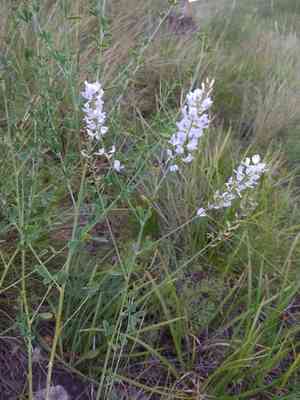
Astragalus melilotoides (Astragalus melilotoides)
Also known as: Sweetvetch
Astragalus melilotoides is a hardy perennial herb known for its clusters of small yellow to white flowers and pinnate leaves with several leaflets. It excels in arid environments primarily due to its deep root system, which enables it to tap into water reserves located deep in the soil. Its resilience allows it to grow successfully among grasses and shrubs in temperate regions, making it well-adapted to dry conditions.
In This Article
Attributes of Astragalus melilotoides
Lifespan
Perennial
Plant Type
Herb
Plant Height
30-50 cm
Spread
20-40 cm
Leaf Color
Green
Flower Size
1-2 cm
Flower Color
White or pale yellow
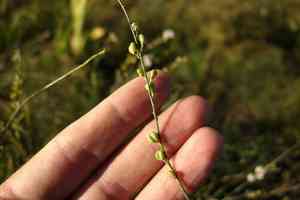
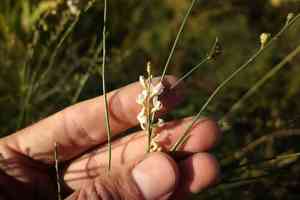
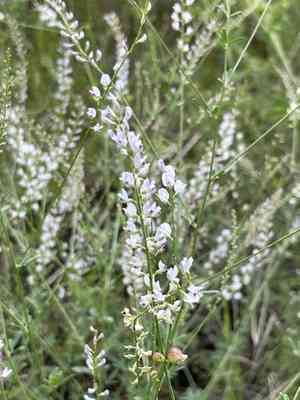
Images of Astragalus melilotoides
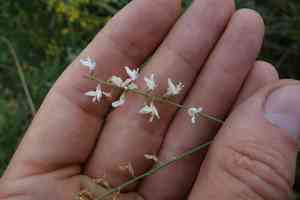
Quickly Identify Astragalus melilotoides
1
Astragalus melilotoides can be identified by its pinnate leaves, which have numerous small leaflets, and its racemes of white or pale yellow flowers. It typically grows in clumps and has a robust root system.
Scientific Classification of Astragalus melilotoides
Phylum
Vascular plants
Class
Dicotyledons
Order
Fabales
Family
Legume
Genus
Milkvetch
Species
Astragalus melilotoides
Planting and Growing of Astragalus melilotoides
Care Difficulty
Moderate
Watering Schedule
Every 2 days
Sunlight Requirements
Partial sun
Sunshine Duration
6-10 hours
Ideal Temperature
50-68℉
Soil Type
Potting Mix, Peat Mix
Soil pH
6.5-7.5
Fertilizer Type
Balanced
Pruning Season
Spring, Summer
Pruning Area
Branches, Leaves
Pruning Frequency
2 times a year
Repotting Season
Spring
Pot Type
Plastic, Ceramic
 How to Water Astragalus melilotoides?
Astragalus melilotoides requires about 250 ml of water per watering session. When watering, ensure that the entire root system feels hydrated, but avoid creating stagnant water. The soil should remain slightly moist at all times, not completely soaked.
What are the symptoms of an underwatered Astragalus melilotoides?
›
What should I do if my Astragalus melilotoides is not getting enough water?
›
What are the symptoms of an overwatered Astragalus melilotoides?
›
How to save an overwatered Astragalus melilotoides?
›
 What Are the Sunlight Requirements for Astragalus melilotoides?
Partial sun is ideal, offering dappled light throughout the day. Astragalus melilotoides benefits from this range, optimizing photosynthesis and reducing stress from harsh light conditions.
What type of light is ideal for Astragalus melilotoides?
›
How can I achieve the ideal lighting for Astragalus melilotoides?
›
What are the advantages of optimal lighting for Astragalus melilotoides?
›
 What Is the Ideal Temperature Range for Astragalus melilotoides?
The ideal temperature range for Astragalus melilotoides is between 50°F and 68°F. At these temperatures, the plant can maximize its growth and development. Maintaining this range can help ensure optimal physiological functions such as photosynthesis, respiration, and nutrient uptake. It is essential to monitor environmental conditions to prevent deviations from this range.
 What Soil is Best for Astragalus melilotoides?
Astragalus melilotoides thrives in well-drained soil, preventing waterlogging. Good drainage helps to avoid root rot, ensuring the plant's roots receive adequate oxygen and nutrients. This plant benefits from nutrient-rich soil, which provides essential minerals and organic matter, promoting robust growth and vibrant flowering. A sandy soil texture aids in better water infiltration and root penetration, supporting the overall development of Astragalus melilotoides.
 How to Fertilize Astragalus melilotoides?
For Astragalus melilotoides, a balanced application of fertilizer can ensure optimal growth. Use a diluted liquid fertilizer with a 10-10-10 NPK ratio. Apply about 100 mL of solution per liter of soil for the liquid fertilizer, making sure not to over-saturate the soil.
 How to Prune Astragalus melilotoides?
Ensure you have sharp, clean pruning shears to make precise cuts. This prevents tearing the plant tissues which can cause damage or disease. Carefully examine the plant and identify dead, damaged, or crossed branches. Remove these to allow more sunlight and air circulation, which is crucial for healthy growth. When pruning, cut the stem at a 45-degree angle just above a healthy node or bud. This encourages new growth and prevents water from pooling on the cut surface. After pruning, ensure the plant is well-watered and placed in a position with adequate light. Monitor for any signs of stress or disease, and adjust care as needed.
 How to Propagate Astragalus melilotoides plant?
1
Before sowing, it is crucial to prepare the seeds of Astragalus melilotoides. This involves soaking them in warm water for 6-12 hours to enhance germination rates. The seeds should be checked for any signs of damage or disease during this process.
2
Once prepared, seeds should be sown in well-aerated soil at a shallow depth. They require light exposure to germinate effectively. It’s important to cover the seeds lightly with soil and maintain a consistent level of moisture without saturating the soil.
3
For cutting propagation, select a healthy parent plant. Use pruning shears to take 4-6 inch cuttings from the stem. These cuttings should be taken just below a node and include at least two to three leaves at the top for photosynthesis.
 How to Repot Astragalus melilotoides plant?
1
Astragalus melilotoides needs repotting when its roots start peeking out of the drainage holes or when growth noticeably slows down. This typically indicates that the plant has outgrown its current pot, requiring more space and fresh nutrients to continue flourishing.
2
Select a pot that's one size larger than the current one, ideally ceramic or clay to allow proper airflow and moisture regulation. This helps prevent root rot and ensures the plant doesn't sit in water, mimicking its natural environment.
3
Opt for a well-draining sandy loam mix to replicate the plant's native conditions. This soil type ensures adequate drainage while maintaining enough moisture for healthy root development, supporting vibrant plant growth.
Learn More About Astragalus melilotoides Diseases
Anthracnose
Bacterial Leaf Spot
Bacterial Wilt
Crown Gall
Cyst Nematode
Damping-off
Downy Mildew
Drought Stress
Fusarium Wilt
Gray Mold
Leaf Spot
Mosaic
Nutrient Deficiency
Nutrient Toxicity
Powdery Mildew
Root Rot
Root-knot Nematode
Rusts
Sooty Mold
Spider Mites
Temperature Stress
Thrips Damage
White Mold



