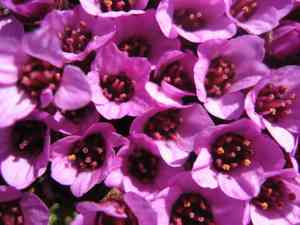
False buck's beard (Astilbe japonica)
Also known as: Japanese astilbe
False buck's beard (Astilbe spp.) typically grows to a height of 50 to 90 cm. This plant features rhizomatous growth and maintains its appealing, fern-like foliage throughout the year. It's known for attracting butterflies and is resistant to deer and rabbits. The elegant flower plumes, ranging from white to shades of pink, red, and purple, are popular choices for fresh-cut or dried floral arrangements.
In This Article
Attributes of False buck's beard
Lifespan
Perennial
Plant Type
Herb
Plant Height
61 cm to 76 cm
Spread
45 cm to 60 cm
Leaf Color
Green Red Brown Bronze
Flower Size
2.5 cm
Flower Color
White Pink Purple Red
Images of False buck's beard
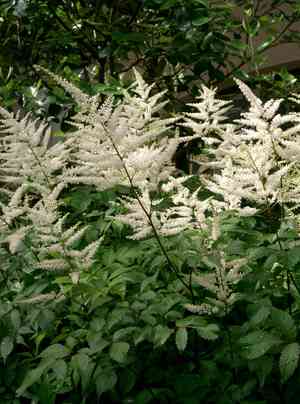
Quickly Identify False buck's beard
1
Compact, clump-forming growth habit
2
Fern-like foliage creating lush mounds
3
Feathery flowers in pink, red, or white hues
4
Flower stalks reaching 18 to 24 inches (45 to 60 cm)
5
Airy and elegant flower plumes, 6-24 inches (15-60 cm) tall
Scientific Classification of False buck's beard
Phylum
Vascular plants
Class
Dicotyledons
Order
Saxifragales
Family
Saxifrage
Genus
False goat's beards
Species
False buck's beard
Planting and Growing of False buck's beard
Care Difficulty
Moderate
Watering Schedule
Every 8 days
Sunlight Requirements
Partial sun
Sunshine Duration
4-8 hours
Ideal Temperature
60-75℉
Soil Type
Potting Mix, Peat Mix
Soil pH
5.5-6.5
Fertilizer Type
Balanced
Pruning Season
Spring, Summer
Pruning Area
Branches, Leaves
Pruning Frequency
2 times a year
Repotting Season
Spring
Pot Type
Plastic, Ceramic
 How to Water False buck's beard?
For Astilbe japonica, aim to thoroughly soak the soil each time you water. This typically translates to about 500 ml per watering session. The key is to water until you see excess draining from the bottom of the pot, ensuring the entire root system is reached.
More About Watering Techniques→
What are the symptoms of an underwatered False buck's beard?
›
What should I do if my False buck's beard is not getting enough water?
›
What are the symptoms of an overwatered False buck's beard?
›
How to save an overwatered False buck's beard?
›
 What Are the Sunlight Requirements for False buck's beard?
Partial sun with some full shade during harshest sun hours. Adequate light improves flowering, lush foliage, and overall structural integrity of Astilbe japonica.
More About Sunlight Requirements Techniques→
What is the ideal lighting condition?
›
How can optimal lighting be achieved?
›
What benefits does optimal lighting provide?
›
 What Is the Ideal Temperature Range for False buck's beard?
Astilbe japonica thrives best in a temperate climate where temperatures range between 60°F and 75°F. This range is optimal as it provides the perfect balance of warmth and coolness allowing the plant to flourish. Within this range, Astilbe japonica can maintain its vibrant foliage and produce robust flowering. Cultivating this plant outside its ideal temperature range might result in stress and poor growth, hence it is imperative to ensure it is grown in suitable conditions.
 What Soil is Best for False buck's beard?
Astilbe japonica thrives in moist environments, so the soil should have the capability to retain water effectively. This requirement is crucial as consistent moisture promotes healthy growth and vibrant blooms. The soil should be rich in organic material to provide the necessary nutrients. Nutrient-rich soil supports robust plant development and enhances resilience against diseases. While Astilbe japonica needs moisture, it's equally vital to ensure the soil drains well to prevent root rot. A well-drained soil enhances root health and reduces the likelihood of plant stress.
More About Soil→
 How to Fertilize False buck's beard?
Astilbe japonica thrives with moderate fertilization. When using liquid fertilizers, a dose of half-strength balanced liquid fertilizer every two weeks is ideal. For slow-release granular fertilizers, one tablespoon per plant in spring, summer, and fall suffices.
More About Fertilizing Techniques→
 How to Prune False buck's beard?
Start by inspecting your Astilbe japonica for any brown, wilted, or dead foliage. Removing these parts improves the plant's appearance and allows for better air circulation, reducing pest and disease risks. Once the plant has finished blooming, cut back the flower stalks to the base. This encourages the plant to direct energy towards foliage growth, making it lush and vibrant as the seasons progress.
More About Pruning Techniques→
 How to Propagate False buck's beard plant?
1
Begin sowing seeds in seed trays filled with a mix of moist peat and perlite. Ensure they are covered lightly with soil, as they require light for germination. Keep trays in a warm, bright location, misting regularly.
2
To propagate via division, dig up the entire plant using a garden fork in early spring. Gently separate the root clump into smaller sections, ensuring each has shoots and roots. Replant the divisions promptly, watering thoroughly.
3
Once seedlings or divisions have matured enough, transplant them into garden beds with rich, well-drained soil. Space them adequately to allow for growth and provide partial shade to mimic their natural woodland environment.
 How to Repot False buck's beard plant?
1
Astilbe japonica signals its need for repotting through visible root crowding and reduced growth vigor. Ideally, repot this plant in early spring or after its flowering period in the autumn. This timing minimizes stress, as environmental conditions are more stable, promoting recovery and new root establishment.
2
Selecting a pot for Astilbe japonica involves choosing one that is slightly larger in diameter than the current pot, to accommodate the expanding root system. The pot should have adequate drainage holes to prevent waterlogging, which can lead to root rot. Using a pot made of breathable materials like ceramic or terracotta helps regulate soil moisture, benefiting plant health.
3
Opt for a well-draining yet moisture-retentive soil mix, rich in organic matter. Sandy loam or a mix with compost and peat is ideal. This blend provides essential nutrients while maintaining the balance of necessary moisture levels that Astilbe japonica thrives in, supporting vibrant blooms and foliage.



