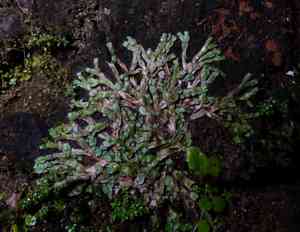
Asterella (Asterella) (Asterella)
Also known as: Marchantia polymorpha
*The genus Asterella is part of the liverwort family Aytoniaceae.*
In This Article
Attributes of Asterella (Asterella)
Lifespan
Perennial
Plant Height
1-2 cm
Spread
N/A
Leaf Color
Green
Flower Size
N/A
Flower Color
N/A
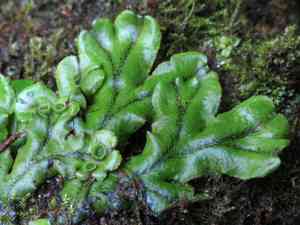
Images of Asterella (Asterella)
Quickly Identify Asterella (Asterella)
1
Asterella can be identified by its thalloid structure, meaning the plant body is flattened and lacks true stems and leaves. The thalli often have a distinctive star-like pattern and are typically green in color.
Scientific Classification of Asterella (Asterella)
Phylum
Marchantiophyta
Class
Marchantiopsida
Order
Marchantiales
Family
Aytoniaceae
Genus
Asterella
Planting and Growing of Asterella (Asterella)
Care Difficulty
Moderate
Watering Schedule
Every 2 days
Sunlight Requirements
Partial sun
Sunshine Duration
4-8 hours
Ideal Temperature
60-75℉
Soil Type
Potting Mix, Peat Mix
Soil pH
6-7.5
Fertilizer Type
Balanced
Pruning Season
Spring, Summer
Pruning Area
Branches, Leaves
Pruning Frequency
2 times a year
Repotting Season
Spring
Pot Type
Plastic, Terracotta
 How to Water Asterella (Asterella)?
Asterella plants require a careful approach to watering. The soil should be moist, not saturated. Use around 200ml of water, ensuring it's applied evenly. This plant thrives when water reaches the root zone, but avoid letting it sit in waterlogged soil.
What are the symptoms of an underwatered Asterella (Asterella)?
›
What should I do if my Asterella (Asterella) is not getting enough water?
›
What are the symptoms of an overwatered Asterella (Asterella)?
›
How to save an overwatered Asterella (Asterella)?
›
 What Are the Sunlight Requirements for Asterella (Asterella)?
Partial sun, full shade is ideal. Access to indirect light ensures Asterella maintains vibrant color and robust structure. This balance optimizes photosynthesis without risking leaf damage, promoting sustained growth and resilience.
Optimal Sunlight Hours
›
Shade Protection Strategies
›
Positioning and Movement
›
 What Is the Ideal Temperature Range for Asterella (Asterella)?
For optimal growth, Asterella thrives in temperatures ranging from 60°F to 75°F. This range supports its natural metabolic processes and ensures robust development. Maintaining temperatures within this range helps prevent stress-related conditions.
 What Soil is Best for Asterella (Asterella)?
Asterella thrives in well-drained soil that prevents waterlogging, which is vital for healthy root growth and prevents root rot. The plant benefits from soil rich in organic matter, which supplies essential nutrients and contributes to moisture retention, promoting sustainable plant growth. Asterella appreciates soils that hold moisture well without becoming oversaturated, ensuring constant hydration necessary for lush foliage.
 How to Fertilize Asterella (Asterella)?
For Asterella, balanced, mild nutrients are key. Use a quarter strength liquid fertilizer to prevent overwhelming its sensitive system. Asterella is delicate; too much fertilization can cause harm, so apply sparingly and only when necessary.
 How to Prune Asterella (Asterella)?
Start by removing any dead, damaged, or diseased parts of the plant. This encourages new growth and helps prevent the spread of disease throughout the plant. Gently shape the plant by trimming back overgrown branches to maintain a balanced and attractive appearance. Aim to cut just above a healthy leaf or node to encourage fresh growth.
 How to Propagate Asterella (Asterella) plant?
1
Choose robust, healthy plants for propagation. Focus on disease-free specimens with vigorous growth to increase the chance of successful propagation.
2
Carefully dig up the parent plant and gently separate it into sections, each with roots and shoots. Handle roots gently to avoid unnecessary damage.
3
Place each division in pots filled with fresh soil, ensuring the roots are well-covered and watered adequately. Position them in a location with indirect sunlight.
 How to Repot Asterella (Asterella) plant?
1
Repot Asterella when you see that it has outgrown its current container, roots are protruding from the drainage holes, or the soil dries out quickly after watering, indicating rootbound conditions. These signals suggest it's time for a larger home and fresher soil.
2
Select a pot that is one size larger than the current one, providing Asterella with room to grow. Ensure the pot has drainage holes to prevent waterlogging, promoting healthy root aeration and avoiding root rot.
3
Opt for a well-draining loamy soil, rich in organic matter, which offers excellent moisture retention and aeration. Asterella thrives in these conditions, reducing the risk of overwatering and encouraging robust growth.
Learn More About Asterella (Asterella) Diseases
Anthracnose
Bacterial Leaf Spot
Bacterial Soft Rot
Bacterial Wilt
Black Spot
Chemical Injury
Crown Gall
Cyst Nematode
Damping-off
Downy Mildew
Drought Stress
Fusarium Wilt
Gray Mold
Leaf Curl
Leaf Spot
Mosaic
Nutrient Deficiency
Nutrient Toxicity
Powdery Mildew
Root Rot
Root-knot Nematode
Rusts
Sooty Mold
Spider Mites
Temperature Stress
Thrips Damage
White Mold

