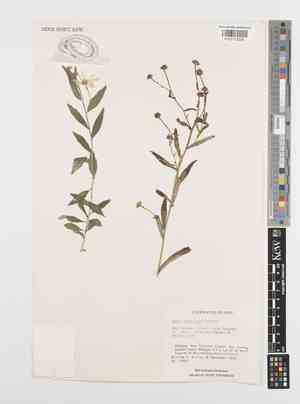
Aster mongolicus (Aster mongolicus)
Also known as: Japanese Aster
Aster mongolicus, known for their vibrant hues, are traditionally linked with the autumn season. In ancient practices, they were often burned, with the resulting smoke believed to dispel negative energy. While they are commonly associated with fall, in various cultures, they are also connected to spring and are considered the birth flower for individuals born in that season.
In This Article
Attributes of Aster mongolicus
Lifespan
Perennial
Plant Type
Herb
Plant Height
61 cm to 91 cm
Spread
40 cm
Leaf Color
Green
Flower Size
2-5 cm (0.8-2 inches)
Flower Color
Purple, Blue
Images of Aster mongolicus

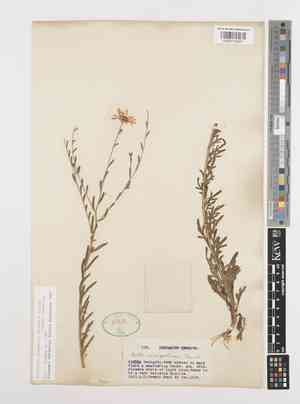
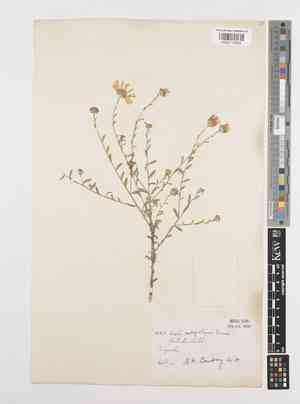
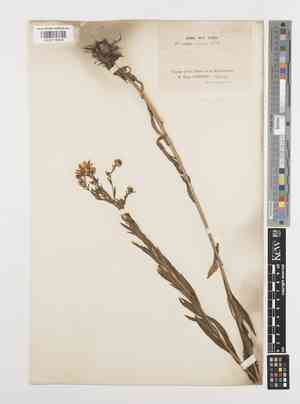
Quickly Identify Aster mongolicus
1
Identify Aster mongolicus by its daisy-like flowers with purple or blue petals and a yellow center. The leaves are typically lance-shaped and arranged alternately along the stem.
Scientific Classification of Aster mongolicus
Phylum
Vascular plants
Class
Dicotyledons
Order
Asterales
Family
Daisy
Genus
Asters
Species
Aster mongolicus
Planting and Growing of Aster mongolicus
Care Difficulty
Moderate
Watering Schedule
Every 2 days
Sunlight Requirements
Partial sun
Sunshine Duration
6-10 hours
Ideal Temperature
60-75℉
Soil Type
Potting Mix, Peat Mix
Soil pH
6.5-7.5
Fertilizer Type
Balanced
Pruning Season
Spring, Summer
Pruning Area
Branches, Leaves
Pruning Frequency
2 times a year
Repotting Season
Spring
Pot Type
Ceramic, Plastic
 How to Water Aster mongolicus?
The watering amount for Aster mongolicus should be approximately 500 milliliters per session. It's crucial to moisten the soil evenly, allowing excess water to drain away. This ensures the roots receive adequate hydration without becoming waterlogged, fostering healthy plant growth.
What are the symptoms of an underwatered Aster mongolicus?
›
What should I do if my Aster mongolicus is not getting enough water?
›
What are the symptoms of an overwatered Aster mongolicus?
›
How to save an overwatered Aster mongolicus?
›
 What Are the Sunlight Requirements for Aster mongolicus?
Partial sun provides the best growth conditions, preventing burn while encouraging robust, lush foliage and vibrant blooms.
Optimal Sunlight Duration
›
Consistent Lighting Environment
›
Natural Diffusion Barriers
›
 What Is the Ideal Temperature Range for Aster mongolicus?
Aster mongolicus thrives in a temperature range between 60°F and 75°F. Maintaining this range ensures optimal growth and flowering. This temperature allows for proper physiological processes, including photosynthesis and nutrient absorption, which are essential for the plant's health.
 What Soil is Best for Aster mongolicus?
Aster mongolicus thrives in soils that offer excellent drainage, preventing root rot and allowing nutrients to reach the roots efficiently. This plant benefits from moderately fertile soil, which ensures adequate nutrient supply without overwhelming the root system. A slight moisture in the soil helps in maintaining the vibrant blooms of Aster mongolicus, supporting its overall health and longevity.
 How to Fertilize Aster mongolicus?
When fertilizing Aster mongolicus, it is important to provide balanced nutrition. Use approximately 1 tablespoon of liquid fertilizer diluted in 1 gallon of water per plant. For slow-release fertilizers, use about 1/4 cup per plant, spread evenly around the base, ensuring it does not directly touch the stems or leaves to prevent burn.
 How to Prune Aster mongolicus?
Begin by carefully examining your Aster mongolicus. Look for any signs of disease, wilting, or dead branches. Identifying these areas early helps streamline the pruning process and ensures all problematic sections are addressed. Focus on cutting away dead or damaged stems at their base. Make clean cuts at an angle to encourage water runoff and prevent water from collecting, which can lead to rot. Prioritize opening up dense clusters to improve airflow throughout the plant. While promoting plant health is crucial, don't forget about aesthetics. Carefully shape your plant to encourage a natural yet attractive form. This not only boosts visual appeal but also encourages uniform growth and better flowering.
More About Pruning Techniques→
 How to Propagate Aster mongolicus plant?
1
Collect seeds from mature plants in the late autumn. Clean and dry them thoroughly before storage. Stratify the seeds in a refrigerator for at least 6 weeks before sowing for better germination rates.
2
Select healthy stems in late spring. Cut 4-6 inch sections with at least two nodes each. Remove the lower leaves to ensure a clean stem for rooting purposes.
3
Choose a mature plant in early spring. Carefully dig around the plant and divide the root ball into smaller sections using a sharp spade, ensuring each section has roots and foliage.
 How to Repot Aster mongolicus plant?
1
It's time to repot Aster mongolicus when the plant appears root-bound, with roots growing through drainage holes or circling the pot's top. This indicates limited space and need for a larger pot. Additionally, if water drains quickly or the soil remains compacted, it signifies poor water retention, thus requiring fresh soil. Observing the plant's top growth slowing is also a good signal for repotting. Spring and autumn are ideal for this task, allowing the plant to recover in mild conditions.
2
Choosing the correct pot for Aster mongolicus is crucial. Select a pot with drainage holes to prevent waterlogging, which can cause root rot. Opt for a pot 1-2 inches larger in diameter than the current one to provide room for growth but avoid an oversized pot to prevent excessive moisture retention. Materials like terracotta can enhance soil drying and aeration, benefitting the plant after repotting.
3
For Aster mongolicus, select well-draining loamy soil enriched with organic matter. Loamy soil provides the right balance of moisture retention and drainage, ensuring roots stay hydrated but not waterlogged. A slightly acidic to neutral pH level complements this plant well, preventing nutrient lockout. This soil composition supports healthy root growth and nutrient uptake, leading to robust plant development.
Learn More About Aster mongolicus Diseases
Anthracnose
Bacterial Leaf Spot
Bacterial Soft Rot
Bacterial Wilt
Black Spot
Chemical Injury
Crown Gall
Cyst Nematode
Damping-off
Downy Mildew
Drought Stress
Fusarium Wilt
Gray Mold
Leaf Curl
Leaf Spot
Mosaic
Nutrient Deficiency
Nutrient Toxicity
Powdery Mildew
Root Rot
Root-knot Nematode
Rusts
Sooty Mold
Spider Mites
Temperature Stress
Thrips Damage
White Mold



