
Alpine aster (Aster alpinus)
Also known as: Allegheny aster
An early bloomer that fits your description is the alpine aster, which is related to sunflowers and daisies. This plant produces a single, brightly-colored flower on each stem and thrives in well-drained soil, making it suitable for both flowerbeds and containers. Propagation can be done through division or cuttings.
In This Article
Attributes of Alpine aster
Lifespan
Perennial, Annual
Plant Type
Herb
Plant Height
15 cm to 30 cm
Spread
30 cm
Leaf Color
Green
Flower Size
5 cm to 10 cm
Flower Color
Purple White Yellow Pink Blue Violet
Images of Alpine aster
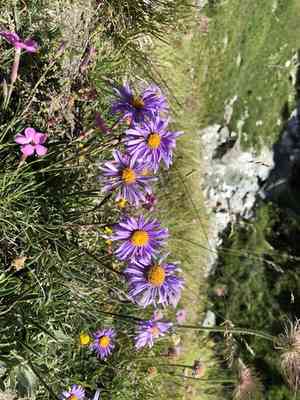
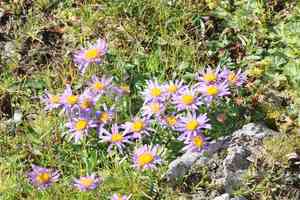
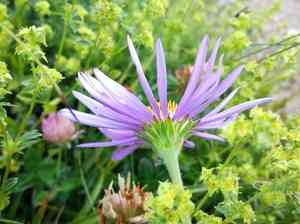
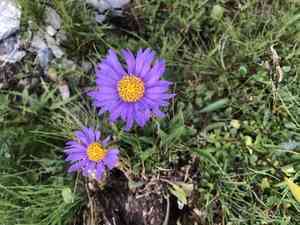
Quickly Identify Alpine aster
1
Identify Aster alpinus by its small, daisy-like flowers with blue, purple, or occasionally white petals surrounding a yellow center. The plant has lance-shaped leaves and typically grows low to the ground.
Scientific Classification of Alpine aster
Phylum
Vascular plants
Class
Dicotyledons
Order
Asterales
Family
Daisy
Genus
Asters
Species
Alpine aster
Planting and Growing of Alpine aster
Care Difficulty
Easy
Watering Schedule
Every 3 days
Sunlight Requirements
Full sun
Sunshine Duration
6-12 hours
Ideal Temperature
50-70℉
Soil Type
Potting Mix, Peat Mix
Soil pH
6.5-7.5
Fertilizer Type
Balanced
Pruning Season
Spring, Summer
Pruning Area
Branches, Leaves
Pruning Frequency
2 times a year
Repotting Season
Spring
Pot Type
Plastic, Terracotta
 How to Water Alpine aster?
Aster alpinus enjoys a moderate amount of water. When watering, ensure the soil is evenly moist but not waterlogged. Pour approximately 250ml each time, allowing the top few inches of soil to dry out between waterings. This approach ensures the roots have access to the necessary moisture for growth without being submerged.
What are the symptoms of an underwatered Alpine aster?
›
What should I do if my Alpine aster is not getting enough water?
›
What are the symptoms of an overwatered Alpine aster?
›
How to save an overwatered Alpine aster?
›
 What Are the Sunlight Requirements for Alpine aster?
The ideal light range for Aster alpinus is full to partial sun. Proper light exposure facilitates robust growth, vibrant flowers, and increased resistance to diseases, helping it maintain a flourishing appearance throughout the growing season.
More About Sunlight Requirements Techniques→
What amount of light does Aster alpinus need?
›
How to ensure Aster alpinus receives sufficient light?
›
Why is proper lighting crucial for Aster alpinus?
›
 What Is the Ideal Temperature Range for Alpine aster?
Aster alpinus, or Alpine Aster, thrives best in cooler climates with a temperature range between 50°F to 70°F. This range allows the plant to photosynthesize effectively while maintaining metabolic activities crucial for its growth. The optimal temperature ensures that the plant can flourish without added stress caused by extreme temperatures.
 What Soil is Best for Alpine aster?
Aster alpinus thrives in well-drained soil, which prevents waterlogging that can lead to root rot. This ensures the roots receive sufficient aeration to function optimally, promoting robust growth and vibrant blooms. This plant prefers soil with moderate fertility. Excess nutrients promote foliage growth over flowers, so a balanced nutrient profile supports abundant and healthy blooms while maintaining plant vigor. While adaptable, Aster alpinus performs best in slightly alkaline soils. This pH range maximizes nutrient availability and supports healthy microbial activity, which is crucial for nutrient absorption.
 How to Fertilize Alpine aster?
When fertilizing Aster alpinus, use a balanced fertilizer at 1/4 to 1/2 strength. Over-fertilizing can lead to lush foliage but fewer blooms, so be cautious with the amounts.
 How to Prune Alpine aster?
Start by sterilizing your pruning shears to prevent any diseases. Examine the plant in early summer after its flowering season. Identify any dead or damaged stems, as well as those that appear too leggy. Use sharp, sanitized shears to trim these back to a healthy growth node or base. This encourages the plant to focus its energy on healthy shoots. Remember, be mindful while cutting to shape the plant without over-cutting. Make sure to clean up fallen debris to avoid pests.
More About Pruning Techniques→
 How to Propagate Alpine aster plant?
1
Fill the seed trays with a well-draining potting mix. Sprinkle the Aster alpinus seeds evenly on the surface and cover them lightly with soil. Water gently to moisten. Maintain a temperature around 15-18°C for optimal germination.
2
Select healthy, non-flowering stems of Aster alpinus in early spring. Cut sections about 10 cm long. Remove the lower leaves and dip the cut end in rooting hormone to promote root growth.
3
Carefully dig up mature Aster alpinus plants in early spring or fall. Use a sharp tool to divide the root clump into smaller sections, ensuring each has roots and shoots. Replant the divisions promptly and water well.
 How to Repot Alpine aster plant?
1
Aster alpinus exhibits clear signals when it requires repotting. You may observe roots protruding from the drainage holes or a noticeable slowdown in growth despite regular care. These signs suggest it’s time to consider a new pot to foster its thriving.
2
Opt for a pot that is slightly larger than the current one, ideally with drainage holes at the bottom. The larger size provides the roots with adequate space to expand, which encourages more vigorous growth and helps to prevent waterlogged conditions.
3
Prioritize well-draining sandy soil, as it mimics the natural rocky habitats of Aster alpinus. This soil type offers excellent drainage, reducing the risk of root rot, while providing the necessary nutrients to sustain healthy growth and vibrant blossoms.
Learn More About Alpine aster Diseases
Anthracnose
Bacterial Leaf Spot
Bacterial Wilt
Crown Gall
Cyst Nematode
Damping-off
Downy Mildew
Drought Stress
Fusarium Wilt
Gray Mold
Leaf Spot
Mosaic
Nutrient Deficiency
Nutrient Toxicity
Powdery Mildew
Root Rot
Root-knot Nematode
Rusts
Sooty Mold
Spider Mites
Temperature Stress
Thrips Damage
White Mold



