
Asplenium vespertinum (Asplenium vespertinum)
Also known as: none
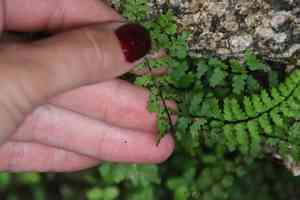
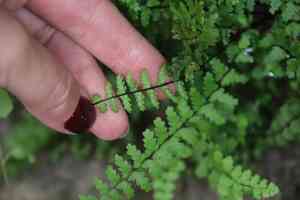
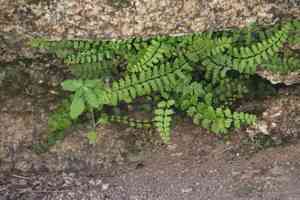
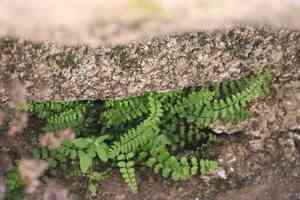
Asplenium vespertinum, also known as the western spleenwort, is a fern species commonly found in the southern parts of California and Baja California. This plant favors damp, shadowed, and rocky habitats, often seen under cliff protrusions. The leaves of the plant, forming in thick bunches, can grow up to roughly 30 centimeters in length. Each leaf consists of about 20 to 30 slim leaflets with lobed edges. A few sori can be found on the underside of each leaflet.
In This Article
Images of Asplenium vespertinum
Quickly Identify Asplenium vespertinum
1
Look for feathery, divided fronds that may have a reddish tint to the stalks. It often grows in rocky or shaded areas.
Scientific Classification of Asplenium vespertinum
Phylum
Pteridophyta
Class
Polypodiopsida
Order
Polypodiales
Family
Aspleniaceae
Genus
Asplenium
Species
A. vespertinum
Planting and Growing of Asplenium vespertinum
Watering Schedule
Every 2 days
Sunlight Requirements
Partial sun
Sunshine Duration
4-8 hours
Ideal Temperature
68-77℉
Soil Type
Potting Mix, Peat Mix
Soil pH
6.5-7.5
Fertilizer Type
Balanced
Pruning Season
Spring, Summer
Pruning Area
Branches, Leaves
Pruning Frequency
2 times a year
Repotting Season
Spring
Pot Type
Plastic, Ceramic
 How to Water Asplenium vespertinum?
Asplenium vespertinum requires a thorough watering routine. Each watering should deliver approximately 200 milliliters of water, ensuring that the soil is uniformly moist without becoming waterlogged. Ideally, water until the liquid drains from the bottom, indicating adequate saturation.
What are the symptoms of an underwatered Asplenium vespertinum?
›
What should I do if my Asplenium vespertinum is not getting enough water?
›
What are the symptoms of an overwatered Asplenium vespertinum?
›
How to save an overwatered Asplenium vespertinum?
›
 What Are the Sunlight Requirements for Asplenium vespertinum?
Partial sun is the preferred light range, allowing the plant to photosynthesize efficiently without the risk of overheating. Proper lighting helps maintain its vibrant foliage and supports healthy growth.
Ideal Location
›
Time of Day
›
Measuring Light
›
 What Is the Ideal Temperature Range for Asplenium vespertinum?
The ideal temperature range for Asplenium vespertinum is between 68°F to 77°F. These temperatures provide the optimal conditions for growth without causing stress to the plant. Maintaining temperatures within this range ensures healthy foliage and robust growth, helping the plant thrive in its natural environment or indoors as a houseplant.
 What Soil is Best for Asplenium vespertinum?
Asplenium vespertinum thrives in well-draining soil, preventing waterlogging which can lead to root rot. The good drainage keeps roots healthy by ensuring just the right amount of moisture is retained. A soil rich in organic matter is ideal as it provides essential nutrients that enhance the fern's growth and vigor. The organic matter also improves soil structure and microbial activity, essential for a healthy root system. Moderate fertility levels are preferred, as extremely high fertility can lead to excessive foliage growth and burnout, while too low can cause nutrient deficiency. Balance in soil fertility ensures steady growth and resilience.
 How to Fertilize Asplenium vespertinum?
For Asplenium vespertinum, use a balanced 20-20-20 liquid fertilizer. Apply it at half strength, as too much can burn the delicate roots. Ensure even distribution to prevent pile up, which can damage the plant.
 How to Prune Asplenium vespertinum?
Begin by closely examining your Asplenium vespertinum for any dead or yellowing fronds. These fronds can be safely removed to focus the plant's energy on new growth. Always cut at the base where the frond meets the main stem. Identify areas where fronds are densely packed. Carefully remove the oldest or least healthy fronds to promote better air flow and light penetration. This prevents fungal infections and enhances overall plant vitality. Prune the plant to achieve a desirable shape, enhancing its aesthetic appeal. Carefully trim any lanky or disproportionately long fronds, maintaining a balanced and natural form. Symmetry can enhance the visual attractiveness of your Asplenium vespertinum.
 How to Propagate Asplenium vespertinum plant?
1
Begin by carefully removing the plant from its container. Gently shake off excess soil to expose the roots, ensuring you're able to identify natural divisions in the plant structure.
2
Using a sharp knife or spade, divide the plant into smaller sections at natural dividing points. Each section should have a healthy root system and several fronds.
3
Plant each division into a separate pot filled with a well-draining potting mix. Water the newly potted plants thoroughly and place them in a location with indirect sunlight.
 How to Repot Asplenium vespertinum plant?
1
You should consider repotting Asplenium vespertinum when you observe roots growing out of the drainage holes, soil drainage issues, or a noticeable decrease in growth rate. Spring or early summer is ideal because it's the plant's active growth period, and it recovers quickly from being disturbed.
2
Select a pot that is only slightly larger than the current one with adequate drainage holes. This helps control moisture levels and prevents root rot. Ceramic or plastic pots are good choices as they retain moisture and prevent temperature fluctuations, supporting the plant’s humidity-loving nature.
3
Opt for a well-draining organic potting mix. A blend with ingredients like peat moss, pine bark, and perlite is excellent. This composition allows ample airflow to the roots and retains the necessary moisture without becoming waterlogged, fostering healthy root development.

