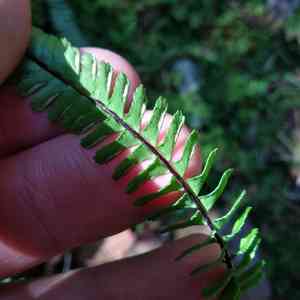
Single-sorus spleenwort (Asplenium monanthes)
Also known as: Single Maidenhair, Asplenium bulbiferum var. monanthes
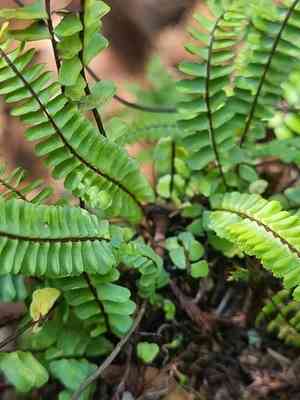
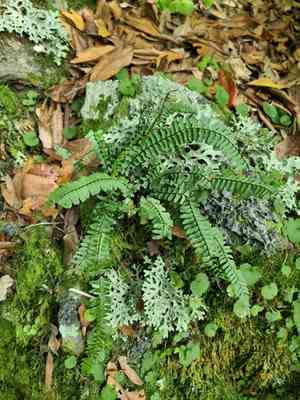
The single-sorus spleenwort is a small, evergreen fern characterized by its simple fronds that emerge from a central rhizome, forming a rosette. This fern flourishes in shaded, damp settings, typically found in limestone crevices or on tree trunks. Its wiry roots allow it to anchor onto vertical surfaces, demonstrating its versatility in such habitats.
In This Article
Attributes of Single-sorus spleenwort
Lifespan
Perennial
Plant Type
Fern
Plant Height
0 mm to 91 cm
Spread
6 to 18 inches (15 to 45 cm)
Leaf Color
Green
Flower Size
Not applicable
Flower Color
Not applicable
Images of Single-sorus spleenwort
Quickly Identify Single-sorus spleenwort
1
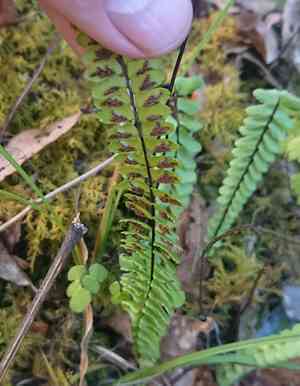
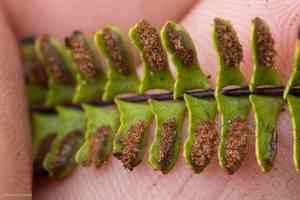
To identify Asplenium monanthes, look for finely divided fronds that are typically bipinnate or tripinnate. The sori are linear and run along the veins on the underside of the fronds.
Scientific Classification of Single-sorus spleenwort
Phylum
Vascular plants
Class
Ferns
Order
Polypodiales
Family
Spleenwort
Genus
Spleenworts
Species
Single-sorus spleenwort
Planting and Growing of Single-sorus spleenwort
Care Difficulty
Moderate
Watering Schedule
Every 4 days
Sunlight Requirements
Partial sun
Sunshine Duration
4-8 hours
Ideal Temperature
60-75℉
Soil Type
Potting Mix, Peat Mix
Soil pH
6.5-7.5
Fertilizer Type
Balanced
Pruning Season
Spring, Summer
Pruning Area
Branches, Leaves
Pruning Frequency
2 times a year
Repotting Season
Spring
Pot Type
Plastic, Ceramic
 How to Water Single-sorus spleenwort?
When watering Asplenium monanthes, aim to ensure the soil is consistently moist, but not waterlogged. The goal is to mimic the dappled rainforest floors where this fern naturally thrives, maintaining humidity and allowing the soil to partially dry out between waterings. Typically, around 200 ml of water per application should suffice, but you should adjust based on the pot size and environment.
What are the symptoms of an underwatered Single-sorus spleenwort?
›
What should I do if my Single-sorus spleenwort is not getting enough water?
›
What are the symptoms of an overwatered Single-sorus spleenwort?
›
How to save an overwatered Single-sorus spleenwort?
›
 What Are the Sunlight Requirements for Single-sorus spleenwort?
Asplenium monanthes flourishes in partial sun to full shade. This balance helps maintain its lush foliage and prevents stress. The right light ensures vitality and reduces the risk of leaf burn.
What is the ideal light condition?
›
How can I achieve optimal light conditions?
›
What benefits come from ideal lighting?
›
 What Is the Ideal Temperature Range for Single-sorus spleenwort?
For the successful growth of Asplenium monanthes, it is important to maintain a temperature range between 60 to 75°F. This range ensures optimal photosynthesis rates and healthy development. Environments within this temperature bracket align with the native habitats of the plant, promoting lush and vibrant growth.
 What Soil is Best for Single-sorus spleenwort?
Asplenium monanthes thrives in soil rich in organic matter as it provides essential nutrients and retains moisture, which is vital for the plant's growth and development. The plant requires well-draining soil to prevent waterlogging, which can lead to root rot. Good drainage ensures that excess water flows away, keeping the roots healthy. Maintaining moist but not soggy soil is crucial for Asplenium monanthes. Consistent moisture supports its fern-like foliage while avoiding excess water damaging its roots.
 How to Fertilize Single-sorus spleenwort?
Asplenium monanthes, commonly known as the single-sorus spleenwort, prefers a gentle approach when it comes to fertilizing. Aim to use a balanced liquid fertilizer diluted to half-strength, ensuring you only use about 1/4 to 1/2 teaspoon per gallon of water. For slow-release fertilizers, a teaspoon sprinkled sparingly over the soil is adequate.
 How to Prune Single-sorus spleenwort?
Look for brown, dry, or wilting fronds in your Asplenium monanthes. These fronds no longer contribute to the plant's health and should be removed to make way for new growth. Using your sterilized shears, cut the identified fronds at their base, close to the soil. This minimizes disturbance to healthy tissue and ensures a clean removal. After pruning, monitor your plant for signs of new growth. Healthy Asplenium monanthes will quickly sprout new fronds. Adjust watering and light conditions to encourage this process.
More About Pruning Techniques→
 How to Propagate Single-sorus spleenwort plant?
1
Before dividing Asplenium monanthes, ensure the plant is well-watered and healthy. Moisturizing the soil will make the separation process smoother and reduce stress on the plant, aiding in its recovery and growth post-division.
2
Using a gardening trowel, carefully dig around the root ball to lift it from the soil. Gently separate the root ball into smaller sections, ensuring each section has a healthy portion of roots and shoots to facilitate vigorous growth.
3
Place each divided section into its own pot or garden spot, tailored for optimal growth conditions. Utilize nutrient-rich, well-draining soil and provide adequate spacing to allow for individual growth without competition for nutrients.
 How to Repot Single-sorus spleenwort plant?
1
Asplenium monanthes needs repotting when roots begin to protrude through drainage holes or the plant becomes top-heavy. These are clear signs the current pot is too small. Spring or early summer, when the plant is actively growing, is the ideal time. Repotting during this period minimizes stress and aids in quick recovery.
2
Choose a pot with adequate drainage holes and just slightly larger than the current one. For Asplenium monanthes, a clay or ceramic pot can be beneficial because it provides additional weight to counterbalance the top-heavy nature of the plant. The right pot ensures the plant remains stable and reduces the risk of waterlogging.
3
Opt for a rich, well-draining compost mixed with some perlite or orchid bark. This blend ensures the roots receive enough moisture without getting waterlogged. A loose, well-aerated mixture is crucial for Asplenium monanthes as it supports its epiphytic nature, providing essential nutrients and promoting healthy root development.



