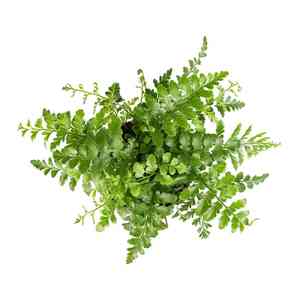
Norfolk Island spleenwort (Asplenium dimorphum)
Also known as: Norfolk Island Spleenwort, Shiny Spleenwort
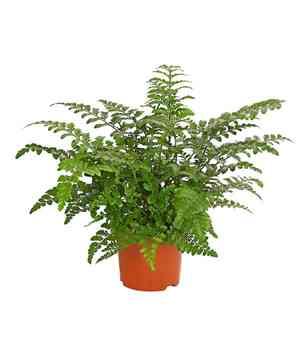
Norfolk Island spleenwort is a popular ornamental fern with characteristic leathery leaves. It is named 'Norfolk Island spleenwort' because it is endemic to Australia's Norfolk Island. Its complex frond shape offers plenty of ornamental interest and its small size and shade tolerance make it ideal for indoor container growth.
In This Article
Attributes of Norfolk Island spleenwort
Lifespan
Perennial
Plant Type
Fern
Plant Height
45 cm
Spread
50 cm
Leaf Color
Dark green, glossy
Flower Size
N/A
Flower Color
N/A
Images of Norfolk Island spleenwort
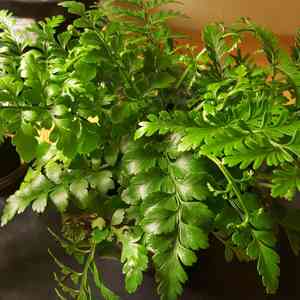
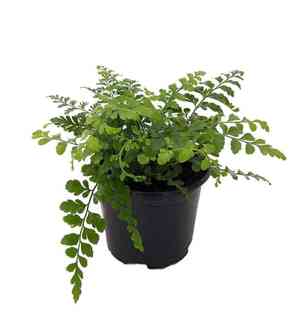
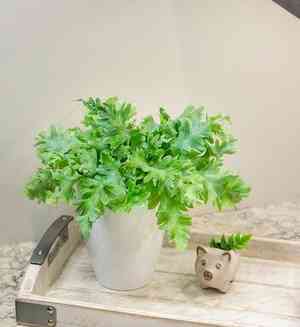
Quickly Identify Norfolk Island spleenwort
1
Look for two types of fronds: the fertile ones with spores and the sterile, typically broader and shinier fronds. Both fronds usually have a leathery texture and a glossy surface.
Scientific Classification of Norfolk Island spleenwort
Phylum
Vascular plants
Class
Ferns
Order
Polypodiales
Family
Spleenwort
Genus
Spleenworts
Species
Norfolk Island spleenwort
Planting and Growing of Norfolk Island spleenwort
Care Difficulty
Easy
Watering Schedule
Every 2 days
Sunlight Requirements
Full shade
Sunshine Duration
6-12 hours
Ideal Temperature
60-75℉
Soil Type
Potting Mix, Peat Mix
Soil pH
6.5-7.5
Fertilizer Type
Balanced
Pruning Season
Spring, Summer
Pruning Area
Branches, Leaves
Pruning Frequency
2 times a year
Repotting Season
Spring
Pot Type
Terracotta, Plastic
 How to Water Norfolk Island spleenwort?
Asplenium dimorphum enjoys a comfortably moist environment. Water approximately 250 milliliters each session, enough to keep the soil consistently moist but not waterlogged. Ensure that excess water can easily drain away to prevent root rot.
What are the symptoms of an underwatered Norfolk Island spleenwort?
›
What should I do if my Norfolk Island spleenwort is not getting enough water?
›
What are the symptoms of an overwatered Norfolk Island spleenwort?
›
How to save an overwatered Norfolk Island spleenwort?
›
 What Are the Sunlight Requirements for Norfolk Island spleenwort?
Partial sun exposure allows Asplenium dimorphum to enjoy a couple of hours of dappled light, ensuring optimal growth. Favorable light conditions enhance its photosynthetic capability and aesthetic appeal.
Is partial sun suitable?
›
What are the signs of optimal lighting?
›
How to achieve ideal lighting indoors?
›
 What Is the Ideal Temperature Range for Norfolk Island spleenwort?
What is the ideal temperature range for Asplenium dimorphum? The ideal temperature range for Asplenium dimorphum is between 60°F and 75°F. Within this range, the plant can grow optimally, experiencing healthy leaf development and vibrant foliage.
 What Soil is Best for Norfolk Island spleenwort?
Asplenium dimorphum thrives in soil that drains well to prevent waterlogging, which can lead to root rot. A well-draining soil allows for optimal aeration and nutrient uptake, promoting healthy growth and lush foliage. While good drainage is crucial, the soil must also retain adequate moisture to mimic the fern's natural habitat. This ensures that Asplenium dimorphum roots remain consistently hydrated, avoiding drought stress and fostering a vibrant plant. Soil abundant in organic matter supports Asplenium dimorphum by providing essential nutrients and enhancing soil structure. This kind of soil enriches the root environment, leading to robust growth and vigorous plant health.
 How to Fertilize Norfolk Island spleenwort?
Asplenium dimorphum benefits from a balanced fertilizer formulated for ferns. When applying liquid fertilizers, dilute to half the recommended strength to prevent root burn or foliage damage. Generally, about 5-10 ml per liter of water is sufficient, carefully poured around the base of the plant.
 How to Prune Norfolk Island spleenwort?
Examine your Asplenium dimorphum carefully and identify any brown or yellowing fronds. These older fronds are no longer efficient in photosynthesis and should be the primary targets for pruning to promote healthy new growth. Start by cutting the frond close to the base, ensuring not to damage the crown of the plant. Maintain a smooth motion to avoid jagged edges that can invite disease. Always cut at an angle to facilitate water runoff. After pruning, water your Asplenium dimorphum lightly and ensure it has adequate humidity. This helps the plant recover faster and supports the growth of new fronds. Monitor the plant closely for any signs of stress or infection.
More About Pruning Techniques→
 How to Propagate Norfolk Island spleenwort plant?
1
Carefully remove the Asplenium dimorphum from its pot or the ground. Use a sharp knife or spade to cut through the root ball, ensuring each section has adequate roots and foliage. Replant these sections immediately for best results.
2
Select healthy tissue samples from the plant. Place them in a sterile container with a nutrient-rich growth medium. Maintain them in controlled environmental conditions under growth lights to encourage new plantlets.
3
Place each divided section into an appropriately sized pot with well-draining soil. Ensure that they are planted at the same depth as before and water them thoroughly, but not excessively.
 How to Repot Norfolk Island spleenwort plant?
1
Look for signs such as roots growing out of drainage holes, slowed growth, or the soil losing its structure, indicating it's time to repot Asplenium dimorphum. Ideally, this is done during its active growth period in spring or summer.
2
Select a new pot that's 1-2 inches larger in diameter than the current one. Choose a pot with adequate drainage holes to prevent waterlogging and root rot, which Asplenium dimorphum is sensitive to.
3
Use a rich, well-draining potting mix containing peat and perlite. This ensures the Asplenium dimorphum has good aeration and nutrients, mimicking its natural environment for optimal growth.



