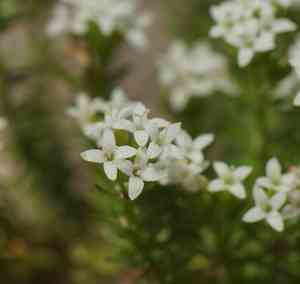
Asperula (Asperula) (Asperula)
Also known as: Woodruff, Sweet Woodruff
Asperula, a genus in the Rubiaceae family, includes around 200 species. These flowering plants are widely distributed across Europe, North Africa, temperate and subtropical regions of Asia, and Australasia.
In This Article
Attributes of Asperula (Asperula)
Lifespan
Perennial
Plant Height
10-50 cm
Spread
Varies, typically not distinct as it grows in a spread
Leaf Color
Green
Flower Size
up to 0.5 cm
Flower Color
White, pale pink
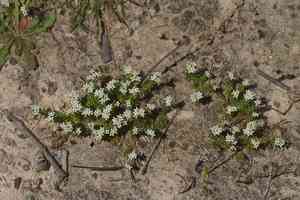
Images of Asperula (Asperula)
Quickly Identify Asperula (Asperula)
1
To identify Asperula, look for its whorls of lanceolate to ovate leaves and small, star-shaped flowers. The leaves are often arranged in groups of 6-8 around the stem. Additionally, its sweet aroma, especially when dried, is a distinctive feature.
Scientific Classification of Asperula (Asperula)
Phylum
Angiosperms
Class
Magnoliopsida
Order
Gentianales
Family
Rubiaceae
Genus
Asperula
Planting and Growing of Asperula (Asperula)
Care Difficulty
Moderate
Watering Schedule
Every 3 days
Sunlight Requirements
Partial sun
Sunshine Duration
6-10 hours
Ideal Temperature
60-75℉
Soil Type
Potting Mix, Peat Mix
Soil pH
6.5-7.5
Fertilizer Type
Balanced
Pruning Season
Spring, Summer
Pruning Area
Branches, Leaves
Pruning Frequency
2 times a year
Repotting Season
Spring
Pot Type
Plastic, Ceramic
 How to Water Asperula (Asperula)?
When watering Asperula, use about 200 ml of water each time. The goal is to moisten the soil without causing waterlogging; thus, add water until it seeps through the drainage holes. This approach ensures that the roots get sufficient moisture without being overwhelmed.
What are the symptoms of an underwatered Asperula (Asperula)?
›
What should I do if my Asperula (Asperula) is not getting enough water?
›
What are the symptoms of an overwatered Asperula (Asperula)?
›
How to save an overwatered Asperula (Asperula)?
›
 What Are the Sunlight Requirements for Asperula (Asperula)?
Partial sun ensures Asperula receives enough light for photosynthesis, leading to robust growth and vibrant blooms while preventing leaf scorching from excessive light.
What is the ideal lighting for Asperula?
›
How to achieve ideal lighting for Asperula?
›
What are the benefits of ideal lighting for Asperula?
›
 What Is the Ideal Temperature Range for Asperula (Asperula)?
Maintaining the ideal temperature range of 60°F to 75°F for Asperula is crucial for optimal growth. This range supports proper metabolic processes, photosynthesis, and water uptake, ensuring the plant thrives with lush foliage and effective flowering.
 What Soil is Best for Asperula (Asperula)?
Asperula thrives in soils that offer excellent drainage. Excessive moisture can lead to root rot for this plant. Ensuring the soil has good drainage prevents water accumulation and allows roots to breathe, promoting healthy growth. The soil should be rich in essential nutrients, but overly fertile soil might encourage too much green growth at the expense of flowers. This balance ensures the plant has enough resources for robust flowering. Asperula prefers a neutral pH range between 6.5 and 7.5. Maintaining these levels ensures that the plant can absorb nutrients effectively, supporting vibrant blooms and overall health.
 How to Fertilize Asperula (Asperula)?
When fertilizing Asperula, it's important to apply a balanced amount. Use a half-strength liquid fertilizer to avoid overwhelming the plant. A teaspoon per gallon is often adequate for liquid fertilizers.
 How to Prune Asperula (Asperula)?
Start by identifying any dead, damaged, or overgrown stems in need of pruning. Removing these will help the plant conserve energy and promote healthier new growth. Cut back stems to a node where you want new growth to occur. This encourages a fuller, bushier appearance. Be mindful not to cut more than one-third of the plant at a time to maintain its vitality.
 How to Propagate Asperula (Asperula) plant?
1
Soak the seeds in water for 12 to 24 hours to enhance germination rates. This process helps to soften the seed coat, making it easier for the seed to sprout.
2
Choose healthy, non-flowering stems for cuttings. A length of about 4 to 6 inches is ideal. Make cuts just below a node to increase the rooting potential.
3
Carefully dig up the plant and separate the roots into smaller sections, each with shoots and roots. Replant these sections promptly for the best chance of establishment.
 How to Repot Asperula (Asperula) plant?
1
Asperula typically needs repotting when its roots start protruding from the drainage holes or when its growth slows significantly. Spring is the optimal time, as the plant is entering its growth phase, allowing it to recover quickly from the repotting process.
2
Choose a pot that is one size larger than the current one, preferably with good drainage holes. A terracotta pot is ideal as it allows excess moisture to evaporate, preventing root rot. The pot's size and material facilitate healthy root expansion and aeration.
3
For Asperula, the soil should be a loose, well-draining mix, ideally composed of equal parts loam, sand, and compost. This composition ensures adequate aeration and prevents waterlogging, supporting robust growth and root health.
Learn More About Asperula (Asperula) Diseases
Anthracnose
Bacterial Leaf Spot
Bacterial Soft Rot
Damping-off
Downy Mildew
Drought Stress
Fusarium Wilt
Gray Mold
Leaf Spot
Mosaic
Nutrient Deficiency
Nutrient Toxicity
Powdery Mildew
Root Rot
Root-knot Nematode
Rusts
Sooty Mold
Spider Mites
Temperature Stress
Thrips Damage
White Mold
Chemical Injury

