Asparagus (Asparagus) (Asparagus)
Also known as: Garden asparagus, sparrow grass
Asparagus plants, which can grow as lianas, bushes, or climbers, are part of a diverse genus of evergreen species. These plants are adaptable to various habitats, ranging from rainforests to semi-desert areas. Their appearance is influenced by their specific environment. While some asparagus species are cultivated for their edible shoots, others are popular as ornamental plants.
In This Article
Attributes of Asparagus (Asparagus)
Lifespan
Perennial
Plant Height
Up to 1.5 meters (5 feet)
Spread
Approximately 0.5 to 1 meter (1.5 to 3 feet)
Leaf Color
Green
Flower Size
Small, about 6 mm
Flower Color
White or yellowish
Images of Asparagus (Asparagus)
Quickly Identify Asparagus (Asparagus)
1
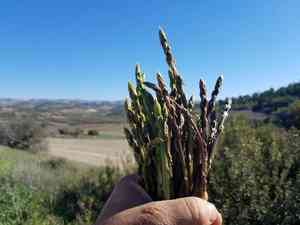
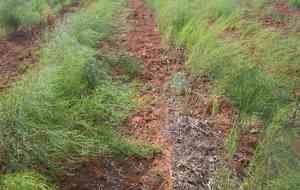
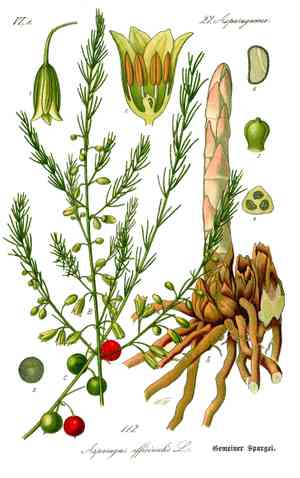
Asparagus can be identified by its tall, feathery foliage and its spear-like shoots which are harvested in the spring. The plant grows in a clump and has a unique, fern-like appearance when mature.
Scientific Classification of Asparagus (Asparagus)
Phylum
Tracheophyta
Class
Liliopsida
Order
Asparagales
Family
Asparagaceae
Genus
Asparagus
Planting and Growing of Asparagus (Asparagus)
Care Difficulty
Moderate
Watering Schedule
Every 4 days
Sunlight Requirements
Partial sun
Sunshine Duration
6-10 hours
Ideal Temperature
60-75℉
Soil Type
Potting Mix, Peat Mix
Soil pH
6.5-7.5
Fertilizer Type
Balanced
Pruning Season
Spring, Summer
Pruning Area
Branches, Leaves
Pruning Frequency
2 times a year
Repotting Season
Spring
Pot Type
Plastic, Ceramic
 How to Water Asparagus (Asparagus)?
Water your Asparagus plant with around 250 ml each time. Ensure the soil is moist but not soggy, as this plant prefers a consistent level of soil moisture without being flooded. Avoid letting the plant sit in water to prevent root rot.
What are the symptoms of an underwatered Asparagus (Asparagus)?
›
What should I do if my Asparagus (Asparagus) is not getting enough water?
›
What are the symptoms of an overwatered Asparagus (Asparagus)?
›
How to save an overwatered Asparagus (Asparagus)?
›
 What Are the Sunlight Requirements for Asparagus (Asparagus)?
Partial sun exposure with occasional full sun yields the best growth. Ideal lighting ensures robust foliage, healthy photosynthesis, and proper development of stems without overtaxing the plant.
Best light placement for Asparagus
›
Adjusting light exposure seasonally
›
Balancing direct and indirect light
›
 What Is the Ideal Temperature Range for Asparagus (Asparagus)?
The ideal temperature range for Asparagus is between 60 and 75 degrees Fahrenheit. This range allows for optimal growth and development of the plant. Within these temperatures, Asparagus can effectively photosynthesize, absorb nutrients, and produce new shoots. Maintaining the environment within this range can help ensure that the plant remains healthy and productive.
 What Soil is Best for Asparagus (Asparagus)?
Asparagus thrives in well-drained soil. Ensuring the soil allows water to pass through easily prevents root rot and other fungal diseases, ultimately promoting stronger and healthier plant growth. Asparagus requires soil rich in organic matter. The fertility of the soil aids in producing spears that are robust and flavorful, enabling the plant to absorb essential nutrients efficiently. Maintaining a moderate level of moisture is crucial for Asparagus growth. Consistent moisture supports the plant's development by preventing dehydration and ensuring continuous nutrient uptake.
 How to Fertilize Asparagus (Asparagus)?
For Asparagus plants, it is crucial to maintain a balanced nutrition approach. Typically, applying about one tablespoon of a balanced liquid fertilizer per gallon of water is ideal for these plants. This ensures they receive the necessary nutrients without overwhelming their root systems.
 How to Prune Asparagus (Asparagus)?
Begin by identifying any dead or yellowing fronds. These are the parts that are no longer contributing to the plant's health and should be removed first. Using your clean shears, make cuts at the base of the plant, close to the soil, for any unhealthy fronds you identified. Next, look for any stems that appear out of place or are too long. Trim these to reshape the plant, keeping it neat and balanced. Finally, give the plant a light trimming to promote even growth and encourage bushiness, snipping just above a node to stimulate new branch growth.
 How to Propagate Asparagus (Asparagus) plant?
1
Start by selecting fresh Asparagus seeds. Soak the seeds in warm water for 24 hours to enhance germination rates. Prepare seedling trays filled with quality potting mix for optimal seed growth.
2
Select healthy, mature stems for cuttings. Cut 4-6 inch sections just below a node. Remove lower leaves and plant the cuttings in soil or water to encourage root development.
3
Choose mature Asparagus clumps and gently dig around the base. Divide the root clumps carefully, ensuring each section has adequate roots and shoots to support new growth.
 How to Repot Asparagus (Asparagus) plant?
1
You'll know it's time to repot Asparagus when you see roots growing out of the drainage holes, the plant's growth slows, or the soil retains too much moisture. Ideally, spring or early summer is the perfect time to handle repotting, as the plant is actively growing and can adapt more easily. Look for these signals to ensure your plants remain healthy and not root-bound.
2
Opt for a pot slightly larger than the current one, with sufficient drainage holes. A pot 1-2 inches wider in diameter will provide enough space for root expansion without overwhelming the plant. Proper drainage is crucial to prevent root rot, a common issue with waterlogged soil. This balance ensures your Asparagus plants flourish in their new environment.
3
Choose a well-draining potting mix rich in organic material. A mix containing peat, perlite, and compost ensures good drainage and retains enough moisture without becoming soggy. This type of soil encourages root health, enhances nutrient uptake, and reduces the risk of overwatering, which is essential for Asparagus growth.
Toxicity
Ingestion of raw asparagus berries
WARNING
The judgment on toxicity and danger is for reference only. We DO NOT GUARANTEE any accuracy of such judgment. Therefore, you SHALL NOT rely on such judgment. It is IMPORTANT TO SEEK PROFESSIONAL ADVICE in advance when necessary.
Learn More About Asparagus (Asparagus) Diseases
Anthracnose
Bacterial Leaf Spot
Bacterial Soft Rot
Bacterial Wilt
Chemical Injury
Crown Gall
Cyst Nematode
Damping-off
Downy Mildew
Drought Stress
Fusarium Wilt
Gray Mold
Leaf Spot
Mosaic
Nutrient Deficiency
Nutrient Toxicity
Powdery Mildew
Root Rot
Root-knot Nematode
Rusts
Sooty Mold
Spider Mites
Temperature Stress
Thrips Damage
White Mold

