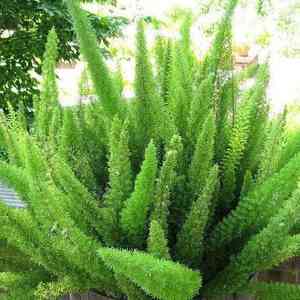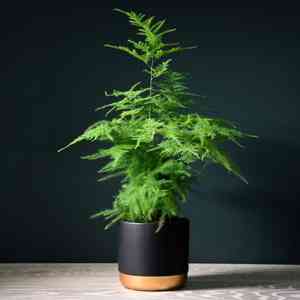
Foxtail fern(Asparagus densiflorus)

Foxtail fern (Asparagus densiflorus)

Also known as: Asparagus fern, Sprenger's asparagus

Asparagus densiflorus, commonly known as the Foxtail Fern, is a close relative of asparagus. This plant is often valued in floral arrangements for its lush, dense, and tall plumes.

Attributes of Foxtail fern

Lifespan
Perennial
Plant Type
Herb
Plant Height
30 cm to 1.5 m
Spread
90 cm to 1.2 m
Leaf Color
Green
Flower Size
3 mm to 4 mm
Flower Color
White

ForwardPlant - Identify plants with a snap

Identify and diagnose plants, get toxicity alerts, and explore safety guides for all types of fungi.

Try for Free

Images of Foxtail fern

Foxtail fern(Asparagus densiflorus)

Quickly Identify Foxtail fern

1
Look for feathery, arching stems with small, needle-like leaves. The plant produces small white or pinkish flowers and red or black berries. It is typically grown in hanging baskets or ground cover.

Scientific Classification of Foxtail fern

Phylum
Vascular plants
Class
Monocotyledons
Order
Asparagales
Family
Asparagus
Genus
Asparagus
Species
Foxtail fern

Planting and Growing of Foxtail fern

Care Difficulty
Easy
Watering Schedule
Every 3 days
Sunlight Requirements
Partial sun
Sunshine Duration
4-8 hours
Ideal Temperature
65-75℉
Soil Type
Potting Mix, Peat Mix
Soil pH
6.5-7.5
Fertilizer Type
Balanced
Pruning Season
Spring, Summer
Pruning Area
Branches, Leaves
Pruning Frequency
2 times a year
Repotting Season
Spring
Pot Type
Plastic, Terracotta

water icon How to Water Foxtail fern?

When watering Asparagus densiflorus, ensure that you are providing roughly 250 milliliters of water per session. This plant appreciates moisture but should never be left in standing water. The goal is to moisten the soil thoroughly but ensure excess water can drain away properly, encouraging well-aerated, damp, but not soggy conditions.
What are the symptoms of an underwatered Foxtail fern?
What should I do if my Foxtail fern is not getting enough water?
What are the symptoms of an overwatered Foxtail fern?
How to save an overwatered Foxtail fern?
More About Watering Techniques

sunlight icon What Are the Sunlight Requirements for Foxtail fern?

Sunlight Requirements: Partial sun, Full shade
Duration of light: 4-6 hours of sunlight
Asparagus densiflorus thrives best in conditions offering partial sun or full shade. Ideal light exposure contributes to full, lush foliage and robust, rapid growth, enhancing its ornamental appeal while ensuring optimal health and resistance against common plant issues.
What is the ideal lighting for Asparagus densiflorus?
How to ensure Asparagus densiflorus receives appropriate light?
What are the benefits of ideal lighting for Asparagus densiflorus?
More About Sunlight Requirements Techniques

temperature icon What Is the Ideal Temperature Range for Foxtail fern?

Ideal Temperature: 65 ~ 75℉
The ideal temperature range for Asparagus densiflorus should be between 65°F and 75°F. These temperatures provide a comfortable environment that supports the plant's growth and development. This range also mimics the plant's native subtropical climate, thereby ensuring optimal photosynthesis and overall health.

soil icon What Soil is Best for Foxtail fern?

Soil type: Sandy loam, Loam
Soil PH: 6.5 ~ 7.5
Asparagus densiflorus thrives in well-drained soil. This helps prevent root rot, which is a common problem when water remains stagnant around the roots. Good drainage ensures the plant receives adequate oxygen and nutrients, promoting healthy growth. The plant doesn't require overly fertile soil but benefits from a moderate level of organic matter. This provides sufficient nutrients for it to grow lush foliage while avoiding issues associated with excessive nutrient buildup. While Asparagus densiflorus tolerates a range of pH levels, a slightly acidic environment (around 6.5-7.5) is ideal. This pH range allows optimal nutrient absorption and discourages the growth of harmful bacteria in the soil. More About Soil

fertilize icon How to Fertilize Foxtail fern?

Fertilizer type: Balanced
For Asparagus densiflorus, it's essential to use a balanced liquid fertilizer diluted to half strength. Apply about 15-20 ml of this diluted solution per plant base to ensure optimal growth and avoid nutrient burn. More About Fertilizing Techniques

prune icon How to Prune Foxtail fern?

Pruning Time: Spring, Summer, Autumn, Winter
Begin by examining your Asparagus densiflorus for yellowing or browning stems which indicate the need for removal. Additionally, identify areas where the plant looks too dense and could benefit from a thinning out to promote better air circulation. Start by cutting back any discolored or leggy growths. Position your scissors or shears at a 45-degree angle to make a clean cut above a node or joint. This angle helps water shed off the cut surface, minimizing disease risks. More About Pruning Techniques

propagate icon How to Propagate Foxtail fern plant?

Propagate Time: Spring, Early spring, Late spring
1
Gather seeds from mature berries of the Asparagus densiflorus plant, ensuring they are ripe and have been washed clean of pulp for better germination success.
2
Carefully dig up an established plant, and separate the root mass into sections. Ensure each section has both healthy roots and shoots for optimal regrowth.
3
Sow seeds or plant divisions in prepared containers or garden beds, and water gently. Keep the medium consistently moist but not soggy to promote healthy growth.
More About Propagating Techniques

repot icon How to Repot Foxtail fern plant?

Repotting frequency: Every 2-3 years
1
Look for signals like roots growing out of the drainage holes or the soil drying out very quickly. These signs indicate the plant has outgrown its pot and needs more space to thrive.
2
Choose a pot slightly larger than the current one with good drainage holes. This allows the root system to expand while preventing waterlogging, promoting healthy growth and reducing the risk of rot.
3
Opt for a well-draining potting mix that retains some moisture but allows excess water to escape. This kind of soil will provide ideal conditions for Asparagus densiflorus, helping to prevent root rot.
More About Repotting Techniques

ForwardPlant - Identify plants with a snap

Find the best spots for them to optimize their health, simply using your phone.

Try for Free

Toxicity of Foxtail fern

Is Foxtail fern toxic to cat?

The delicate and airy fronds of the foxtail fern (Asparagus densiflorus) often attract playful cats, yet this plant poses a mild to moderate risk of poisoning through skin contact and ingestion. The leaves may lead to skin irritation, as well as intense vomiting and diarrhea. Please consult your veterinarian if your cat comes into contact with a foxtail fern.

Is Foxtail fern toxic to dog?

Foxtail ferns possess mild toxicity for dogs. Given that this is a frequently encountered houseplant, dogs may easily come into contact with it. To ensure their safety, it's best to keep these plants out of reach of pets, as touching the leaves or sap may result in a skin rash. Ingesting any part of the plant, including stems, leaves, and fruits, can cause symptoms such as vomiting, diarrhea, and overall gastrointestinal discomfort. Fortunately, foxtail ferns are seldom eaten in significant amounts, making severe reactions quite rare.

Identify toxic plants for your safety

Learn which plants are harmful to you and your pets, and make informed choices for a safer home!

Try for Free
WARNING
The judgment on toxicity and danger is for reference only. We DO NOT GUARANTEE any accuracy of such judgment. Therefore, you SHALL NOT rely on such judgment. It is IMPORTANT TO SEEK PROFESSIONAL ADVICE in advance when necessary.
More About Toxic Techniques