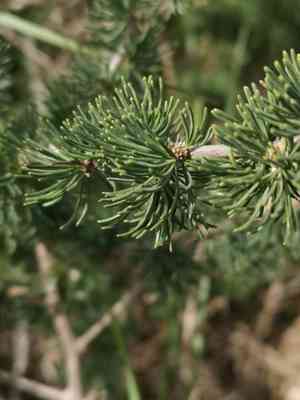
White asparagus (Asparagus albus)
Also known as: White Asparagus, Bridal Creeper
White asparagus is an evergreen shrub within the asparagus family. Its attractive red berries and white flower clusters make it an attractive ornamental plant. In the wild, the shrub grows in high-level scrub and hedges. It is not to be confused with cultivated asparagus.
In This Article
Attributes of White asparagus
Lifespan
Perennial
Plant Type
Shrub
Plant Height
1 m
Spread
Up to 1 meter
Leaf Color
Green Blue
Flower Size
0.5 to 1 cm
Flower Color
White
Images of White asparagus
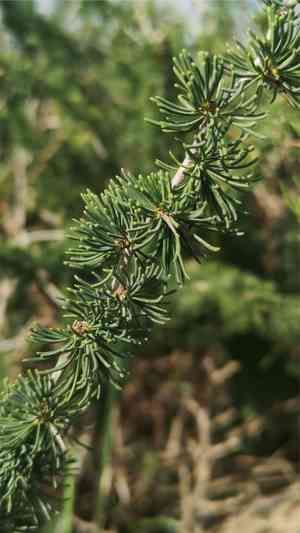
Quickly Identify White asparagus
1
Look for its distinctive white stems and small, star-shaped flowers. The plant has thin, needle-like leaves and produces red berries when it fruits.
Scientific Classification of White asparagus
Phylum
Vascular plants
Class
Monocotyledons
Order
Asparagales
Family
Asparagus
Genus
Asparagus
Species
White asparagus
Planting and Growing of White asparagus
Care Difficulty
Easy
Watering Schedule
Every 4 days
Sunlight Requirements
Full sun
Sunshine Duration
6-10 hours
Ideal Temperature
60-80℉
Soil Type
Potting Mix, Peat Mix
Soil pH
6.5-7.5
Fertilizer Type
Balanced
Pruning Season
Spring, Summer
Pruning Area
Branches, Leaves
Pruning Frequency
2 times a year
Repotting Season
Spring
Pot Type
Plastic, Ceramic
 How to Water White asparagus?
Asparagus albus has moderate water requirements. While it appreciates consistent moisture, it does not thrive in waterlogged soil. Therefore, the guideline for watering Asparagus albus is approximately 200 milliliters of water per watering in average indoor conditions.
What are the symptoms of an underwatered White asparagus?
›
What should I do if my White asparagus is not getting enough water?
›
What are the symptoms of an overwatered White asparagus?
›
How to save an overwatered White asparagus?
›
 What Are the Sunlight Requirements for White asparagus?
The ideal light range for Asparagus albus falls between full sun and partial sun - about 6-8 hours a day. This promotes healthy growth, promotes photosynthesis, and helps the plant produce vigorous, robust leaves.
More About Sunlight Requirements Techniques→
What are the ideal lighting conditions for Asparagus albus?
›
How can I ensure the plant gets the ideal light?
›
How does adequate lighting affect the plant?
›
 What Is the Ideal Temperature Range for White asparagus?
The ideal temperature range for Asparagus albus, widely known as White Asparagus, is between 60°F to 80°F. This is when it has been observed that the plant grows best, showcasing bright white stems and lush green foliage. The plant prefers a warmer climate, but has some level of tolerance to milder and cooler temperatures.
 What Soil is Best for White asparagus?
Asparagus albus needs soil with good drainage to prevent root rot. Water should not stand in the soil after heavy or long-lasting rains. This plant requires soil that is rich in organic matter. Composted leaves, aged manure, or compost will maintain the fertility of the soil. The soil should be loose enough to allow the roots space to grow and extend. This also aids in better absorption of nutrients.
 How to Fertilize White asparagus?
As a general rule of thumb, Asparagus albus prefers light feeding. Depending on the size of your pot, 1-2 teaspoons of liquid fertilizer per month or 1-2 applications of a slow-release granular fertilizer per year should suffice. Do not over-fertilize as it may lead to salt accumulation which can burn the plant's roots. Less is more when it comes to fertilizing Asparagus albus.
 How to Prune White asparagus?
Select stems that are brown and look dried up. These are the stems that are already dead. Using a sharp and sterile pair of garden shears, cut these stems back to the ground level. Once the pruning task is done, see to it that the plant gets adequate water and the required nutrients. Inspect routinely for any disease or pest manifestation and deal with it immediately.
More About Pruning Techniques→
 How to Propagate White asparagus plant?
1
These seeds should be dried and stored properly. Soak the seeds in lukewarm water for a day before planting.
2
The soil for Asparagus albus should be well-draining. A mix of equal parts soil, sand, and peat moss usually works well.
3
Plant the seeds about 1 inch deep and space them about 2-3 inches apart. Water them thoroughly and keep the soil moist but avoid waterlogging as it can lead to root rot.
 How to Repot White asparagus plant?
1
Repotting should be done when the plant gets overcrowded or root-bound. This often happens in the spring or autumn season, when the plant has the best chance to recover and grow.
2
Choose a pot that is 2-3 inches larger in diameter than the previous one, ensuring enough room for roots to grow. The pot must have sufficient drainage holes to prevent waterlogging and root rot.
3
A loamy, well-draining soil is ideal for Asparagus albus. This type of soil provides excellent moisture retention and good aeration, promoting healthier root and plant growth.
Learn More About White asparagus Diseases
Anthracnose
Bacterial Leaf Spot
Bacterial Soft Rot
Bacterial Wilt
Chemical Injury
Crown Gall
Cyst Nematode
Damping-off
Downy Mildew
Drought Stress
Fusarium Wilt
Gray Mold
Leaf Spot
Mosaic
Nutrient Deficiency
Nutrient Toxicity
Powdery Mildew
Root Rot
Root-knot Nematode
Rusts
Sooty Mold
Spider Mites
Temperature Stress
Thrips Damage
White Mold



