Milkweeds (Asclepias)(Asclepias)

Milkweeds (Asclepias) (Asclepias)

Also known as: Milkweed

To create a butterfly garden that attracts Monarch butterflies and other pollinators, begin with Milkweed (Asclepias spp.), which is essential for Monarch caterpillars and their exclusive host plant. Besides supporting Monarchs, Milkweed flowers offer nectar that draws in various pollinators like bees, flies, and beetles. Be mindful that Milkweed can spread vigorously, so consider containing it to manage its growth.

Attributes of Milkweeds (Asclepias)

Lifespan
Perennial
Plant Height
1 m
Spread
1 m
Leaf Color
Green
Flower Size
1-2 cm
Flower Color
Varies by species: orange, pink, white, purple

ForwardPlant - Identify plants with a snap

Identify and diagnose plants, get toxicity alerts, and explore safety guides for all types of fungi.

Try for Free

Images of Milkweeds (Asclepias)

Milkweeds (Asclepias)(Asclepias)

Quickly Identify Milkweeds (Asclepias)

1
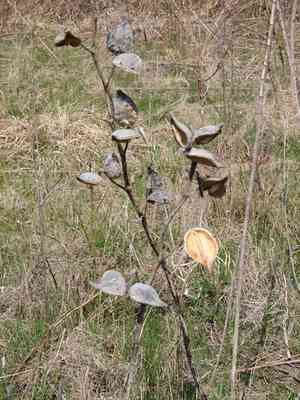
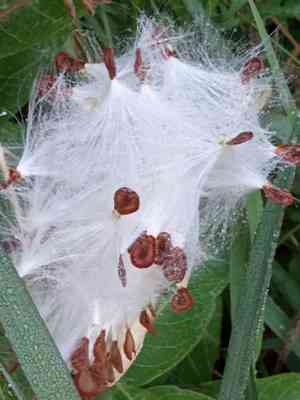
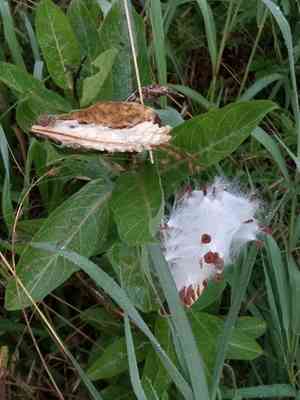
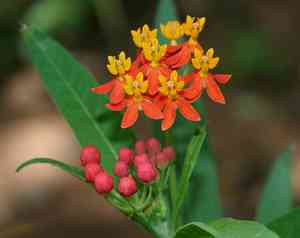
Look for thick, milky sap when the stem or leaves are broken; the plants have unique, star-shaped flowers, which grow in clusters.

Scientific Classification of Milkweeds (Asclepias)

Phylum
Tracheophyta
Class
Magnoliopsida
Order
Gentianales
Family
Apocynaceae
Genus
Asclepias

Planting and Growing of Milkweeds (Asclepias)

Care Difficulty
Easy
Watering Schedule
Every 4 days
Sunlight Requirements
Full sun
Sunshine Duration
4-8 hours
Ideal Temperature
70-85℉
Soil Type
Potting Mix, Peat Mix
Soil pH
6-8
Fertilizer Type
Balanced
Pruning Season
Spring, Summer
Pruning Area
Branches, Leaves
Pruning Frequency
2 times a year
Repotting Season
Spring
Pot Type
Terracotta, Plastic

water icon How to Water Milkweeds (Asclepias)?

For Asclepias, watering should ensure that the soil is moist but not overly soaked. Typically, this means about 250 milliliters of water per session, ensuring the soil feels damp to the touch. The goal is to replicate natural rainfall patterns, where the ground absorbs and retains sufficient moisture without becoming waterlogged.
What are the symptoms of an underwatered Milkweeds (Asclepias)?
What should I do if my Milkweeds (Asclepias) is not getting enough water?
What are the symptoms of an overwatered Milkweeds (Asclepias)?
How to save an overwatered Milkweeds (Asclepias)?

sunlight icon What Are the Sunlight Requirements for Milkweeds (Asclepias)?

Sunlight Requirements: Full sun
Duration of light: 6 to 8 hours
Asclepias flourish under full sun, with benefits including enhanced photosynthesis leading to vigorous growth and vibrant blooms. Ideal sunny conditions support healthy reproductive cycles.
What is the ideal light condition for Asclepias?
How can I ensure Asclepias gets the ideal amount of light?
What are the benefits of ensuring optimal light conditions for Asclepias?

temperature icon What Is the Ideal Temperature Range for Milkweeds (Asclepias)?

Ideal Temperature: 70 ~ 85℉
Asclepias thrives in an ideal temperature range of 70°F to 85°F. This range supports the plant's physiological needs—ensuring optimal photosynthesis and growth. At these temperatures, the enzymes responsible for life processes work efficiently. These conditions also help in maintaining proper transpiration rates, crucial for nutrient uptake and growth.

soil icon What Soil is Best for Milkweeds (Asclepias)?

Soil type: Loam, Sandy soil, Sandy loam
Soil PH: 6 ~ 8
The soil needs to be well-drained to prevent root rot. Well-drained soil helps keep roots healthy by allowing excess water to escape, providing healthier growth conditions and preventing disease. Asclepias prefers soil with moderate fertility. This means that soil should have sufficient nutrients to support growth but not so rich that it causes excessive foliage at the expense of flowers. Having a good soil structure that allows air to circulate is critical. Aerated soil helps roots access the oxygen they need, ensuring strong root development and healthier above-ground growth.

fertilize icon How to Fertilize Milkweeds (Asclepias)?

Fertilizer type: Balanced
When fertilizing Asclepias (commonly known as milkweed), use a balanced 10-10-10 liquid fertilizer at half strength for liquid applications, or a slow-release granule. The volume depends on the plant size, generally 1 tablespoon per gallon of soil is a good measure for slow-release.

prune icon How to Prune Milkweeds (Asclepias)?

Pruning Time: Spring, Summer
Start by identifying any dead, damaged, or diseased stems and remove them completely. This encourages new growth. Trim back the plant to maintain a tidy shape, focusing on areas where growth is dense or crossing stems can cause rubbing. Always make cuts just above a leaf node to promote branching.

propagate icon How to Propagate Milkweeds (Asclepias) plant?

Propagate Time: Early spring, Late spring, Early summer
1
Start by collecting Asclepias seeds from dried pods and cleaning them from any debris. It's crucial to ensure the seeds are dry before storing them in a cool, dark place until you're ready to sow.
2
Select healthy stem cuttings of about 4 to 6 inches in length. Remove any lower leaves, leaving a few at the top. This encourages root development from the leaf nodes when placed in a suitable rooting medium.
3
Division is performed on mature Asclepias plants. Carefully dig out the plant, ensuring to preserve as much of the root system as possible. Gently separate the root clumps into smaller sections and replant them in desired locations.

repot icon How to Repot Milkweeds (Asclepias) plant?

Repotting frequency: Once every 2-3 years
1
Repot your Asclepias when you notice it's outgrowing its current pot, roots emerging from drainage holes, or soil that dries out too quickly. These signs usually indicate that the plant is in need of a larger space and fresh soil nutrients to continue thriving.
2
Opt for a pot that is 1-2 inches larger in diameter than the current one. Ensure it has adequate drainage holes to prevent waterlogging, which can harm the roots. A slightly larger pot encourages healthy growth without overwhelming the plant, providing room for expansion.
3
Choose a well-draining potting mix, ideally with ingredients like perlite or sand to enhance aeration. Such a blend prevents root rot by facilitating excess water escape, supporting root health and promoting vigorous growth.

ForwardPlant - Identify plants with a snap

Find the best spots for them to optimize their health, simply using your phone.

Try for Free

Toxicity of Milkweeds (Asclepias)

Is Milkweeds (Asclepias) toxic to cat?

It is crucial to ensure that cats are kept at a safe distance from the highly toxic varieties of milkweeds. The hazardous toxin is present in the milky sap, and every part of the plant is contaminated. If ingested, this situation requires prompt veterinary attention. Symptoms may include diarrhea, seizures, anxiety or lethargy, sudden collapse, and can ultimately lead to death.

Is Milkweeds (Asclepias) toxic to dog?

Plants belonging to the Asclepias genus are highly poisonous to dogs; therefore, if your dog has ingested any part of this plant, it is crucial to seek veterinary care right away. Toxic compounds are present in every part of the plant. Signs of milkweed poisoning can include weakness, dilated pupils, vomiting, and diarrhea. In severe cases, these symptoms may worsen, leading to breathing difficulties, increased heart rate, organ failure, coma, or even death.


Identify toxic plants for your safety

Learn which plants are harmful to you and your pets, and make informed choices for a safer home!

Try for Free
WARNING
The judgment on toxicity and danger is for reference only. We DO NOT GUARANTEE any accuracy of such judgment. Therefore, you SHALL NOT rely on such judgment. It is IMPORTANT TO SEEK PROFESSIONAL ADVICE in advance when necessary.
More About Toxic Techniques