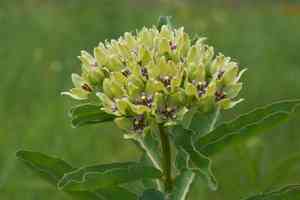
Green milkweed (Asclepias viridis)
Also known as: Green-flowered Milkweed, Spider Milkweed, American silkweed, Silken cissy, White Indian hemp
Green milkweed (Asclepias viridis) is a perennial herb found in the southeastern and south-central regions of the United States. This plant features green flowers and, like other species of milkweed, exudes a thick, milky white sap when its stems or leaves are cut. Monarch butterflies commonly use milkweeds, including green milkweed, as host plants for laying their eggs.
Attributes of Green milkweed
Images of Green milkweed
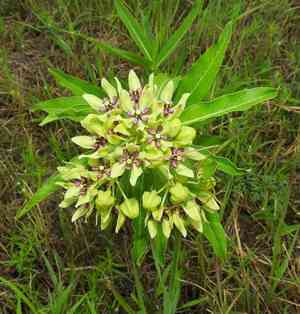
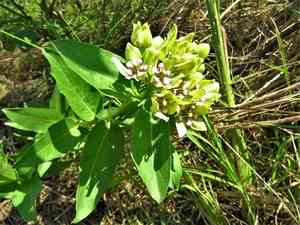
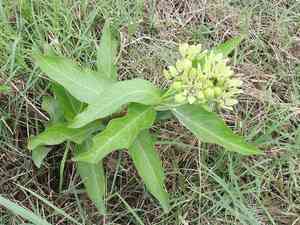
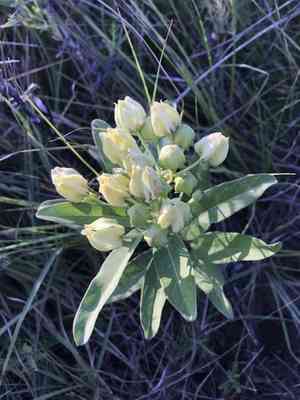
Quickly Identify Green milkweed
Scientific Classification of Green milkweed
Toxicity of Green milkweed
Is Green milkweed toxic to humans?
Green milkweed is a toxic species that poses risks when consumed, primarily due to its cardiac glycoside content. These harmful substances can disrupt heart rhythms, leading to potentially severe outcomes, especially if significant quantities of green milkweed are ingested. The severity of symptoms varies depending on the age, weight, personal sensitivity, and overall health of the individual consuming it. Young children are particularly vulnerable to adverse effects, as they tend to be the most inquisitive and have lower body weight. Additionally, direct contact with the sap of green milkweed may result in dermatitis, which can cause the affected area to redden, itch, become inflamed, or develop blisters.

