
Common milkweed (Asclepias syriaca)
Also known as: Butterfly flower
Common milkweed, scientifically known as Asclepias syriaca, is a perennial herb found in North America. It produces a milky latex that can be harmful to larger mammals, such as sheep and cows, if ingested in significant quantities. This plant is particularly attractive to various insects, especially monarch butterflies.
Attributes of Common milkweed
Images of Common milkweed


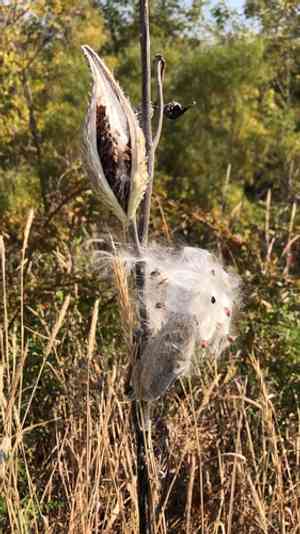

Quickly Identify Common milkweed
Scientific Classification of Common milkweed
Planting and Growing of Common milkweed
 How to Water Common milkweed?
 What Are the Sunlight Requirements for Common milkweed?
 What Is the Ideal Temperature Range for Common milkweed?
 What Soil is Best for Common milkweed?
 How to Fertilize Common milkweed?
 How to Prune Common milkweed?
 How to Propagate Common milkweed plant?
 How to Repot Common milkweed plant?
Toxicity of Common milkweed
Is Common milkweed toxic to humans?
Common milkweed has the potential to be toxic to humans if a significant quantity of older leaves or ripe fruits is mistakenly consumed. The toxicity arises from a latex found in the leaves and seed pods that contains glycosides. Glycoside poisoning can lead to symptoms such as nausea, vomiting, and abdominal pain. However, to date, there have been no recorded instances of poisoning directly attributed to common milkweed.
Is Common milkweed toxic to cat?
Common milkweed poses a significant toxicity risk to cats, and exposure can happen if these animals inadvertently consume any portion of the plant, since all parts contain toxic substances. When ingested, cats may exhibit symptoms of physical distress, which can vary greatly from mild to severe based on the quantity ingested. It is crucial to observe cats for any indications of illness and to obtain swift veterinary care if poisoning is suspected, as timely intervention is vital for the health and welfare of the affected cat.
Is Common milkweed toxic to dog?
Common milkweed is a highly toxic plant for dogs, presenting considerable health dangers if ingested. Dogs may unintentionally consume various parts of this plant, which can result in poisoning. Every part of common milkweed is deemed poisonous and has the potential to elicit harmful reactions in dogs. Signs of poisoning can include vomiting, diarrhea, lethargy, respiratory distress, and dilated pupils, among others. It is essential for dog owners to remain watchful and prevent their furry companions from coming into contact with or eating any part of common milkweed. Should a dog accidentally consume common milkweed, it is crucial to seek prompt veterinary assistance to secure the best possible outcome for the affected pet.



