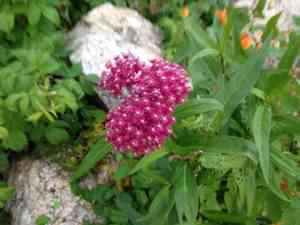
Swamp milkweed (Asclepias incarnata)
Also known as: Rose milkflower, White indian hemp
Swamp Milkweed, scientifically known as Asclepias incarnata, is a native plant species found in Canada and the continental United States. It entices butterflies with its nectar and emits a gentle vanilla fragrance. Additionally, its stems release a toxic milky sap.
Attributes of Swamp milkweed
Images of Swamp milkweed
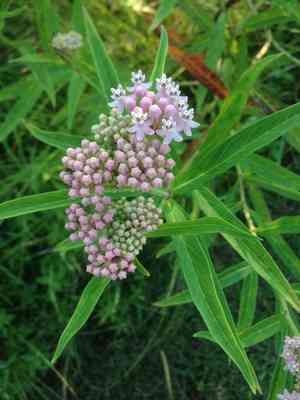
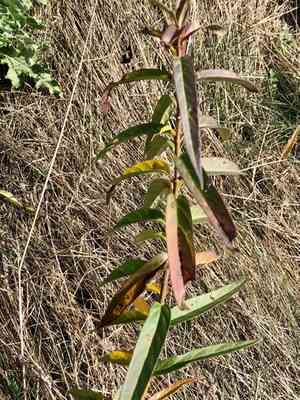
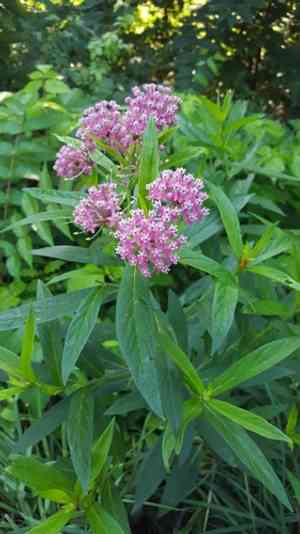
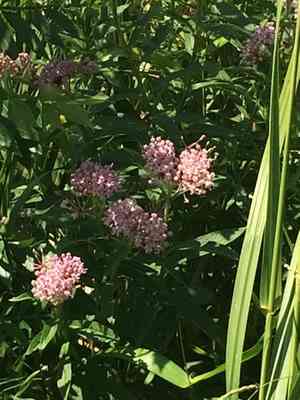
Quickly Identify Swamp milkweed
Scientific Classification of Swamp milkweed
Planting and Growing of Swamp milkweed
 How to Water Swamp milkweed?
 What Are the Sunlight Requirements for Swamp milkweed?
 What Is the Ideal Temperature Range for Swamp milkweed?
 What Soil is Best for Swamp milkweed?
 How to Fertilize Swamp milkweed?
 How to Prune Swamp milkweed?
 How to Propagate Swamp milkweed plant?
 How to Repot Swamp milkweed plant?
Toxicity of Swamp milkweed
Is Swamp milkweed toxic to humans?
Swamp milkweed is composed of various toxic substances, including resinoids and cardiac glycosides, present in every part of the plant. Toxicity symptoms usually manifest within a few hours post-ingestion and can involve vomiting, diarrhea, nausea, abdominal pain, weakness, stupor, and confusion. Ingesting significant quantities of swamp milkweed may exacerbate symptoms, potentially resulting in seizures, heart rhythm abnormalities, and a rapid decrease in heart rate. In extreme cases, this may progress to a comatose state, paralysis, and even death.
Is Swamp milkweed toxic to cat?
Swamp milkweed is recognized for its moderate toxicity to cats. If felines consume any portion of this plant, they face the risk of poisoning due to the toxic nature of all its parts. Following ingestion, a cat may display symptoms such as physical discomfort, sickness, or pain. Owners should remain vigilant regarding these health dangers and keep a close eye on their pets for any unusual behavior. If poisoning is suspected, it is essential to promptly seek professional medical care from a veterinary clinic, as timely intervention can be vital for the pet’s recovery.
Is Swamp milkweed toxic to dog?
Swamp milkweed presents a moderate toxicity hazard for dogs. If dogs consume any portion of this plant, they face a risk of poisoning due to its harmful properties. Every part of the plant, including leaves, stems, flowers, and seeds, can be detrimental if ingested by canines. Signs of poisoning in dogs may consist of vomiting, diarrhea, lethargy, respiratory distress, and dilated pupils. It is essential for dog owners to remain alert and prevent their pets from accessing or eating swamp milkweed. If a dog does ingest swamp milkweed, seeking immediate veterinary intervention is vital to secure the best possible recovery for the affected pet.



