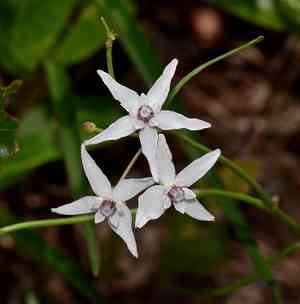
Florida milkweed (Asclepias feayi)
Also known as: Feay's milkweed
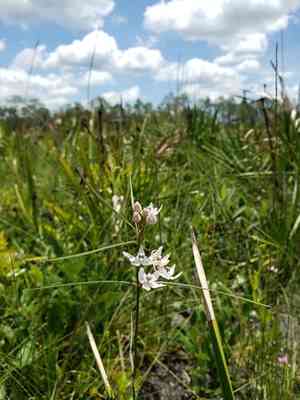
Florida milkweed is a perennial herb characterized by its upright stems and narrow leaves, adorned with clusters of distinctive pinkish-purple flowers that look like small crowns. It flourishes in sunny, well-drained environments such as pine flatwoods, sandhills, and open fields. This plant is crucial for monarch butterflies, serving as a key food source for their caterpillars.
In This Article
Attributes of Florida milkweed
Lifespan
Perennial
Plant Type
Herb
Plant Height
30 cm to 91 cm
Spread
30-60 cm
Leaf Color
Green
Flower Size
1-2 cm
Flower Color
White
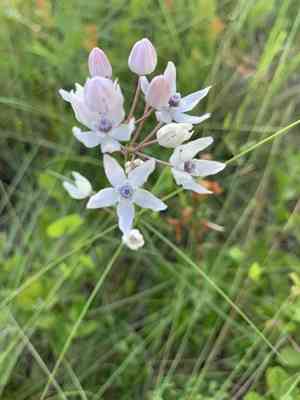
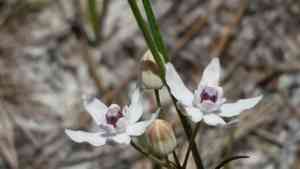
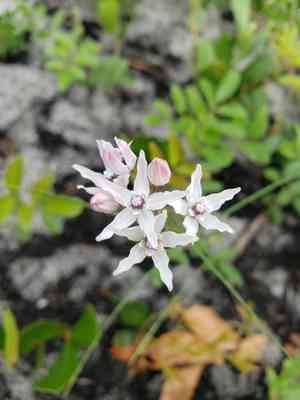
Images of Florida milkweed
Quickly Identify Florida milkweed
1
Look for its distinct white flowers and narrow, linear leaves. The plant usually grows in sandy, well-drained soils and can be found in scrub and pineland habitats.
Scientific Classification of Florida milkweed
Phylum
Vascular plants
Class
Dicotyledons
Order
Gentianales
Family
Dogbane
Genus
Milkweeds
Species
Florida milkweed
Planting and Growing of Florida milkweed
Care Difficulty
Moderate
Watering Schedule
Every 2 days
Sunlight Requirements
Full sun
Sunshine Duration
6-10 hours
Ideal Temperature
70-85℉
Soil Type
Potting Mix, Peat Mix
Soil pH
6.5-7.5
Fertilizer Type
Balanced
Pruning Season
Spring, Summer
Pruning Area
Branches, Leaves
Pruning Frequency
2 times a year
Repotting Season
Spring
Pot Type
Plastic, Terracotta
 How to Water Florida milkweed?
Asclepias feayi requires moderate watering, with each session involving about 500 milliliters of water. The key is to moisten the soil evenly while ensuring it does not become waterlogged. The target is for the soil to be damp rather than soaking wet, as too much water can damage the roots.
What are the symptoms of an underwatered Florida milkweed?
›
What should I do if my Florida milkweed is not getting enough water?
›
What are the symptoms of an overwatered Florida milkweed?
›
How to save an overwatered Florida milkweed?
›
 What Are the Sunlight Requirements for Florida milkweed?
Asclepias feayi thrives in full sun environments, requiring 6 to 8 hours of sunlight daily. Optimal light exposure leads to healthier growth patterns and encourages robust flowering, essential for reproductive success and ecological interactions.
What is the best type of lighting for Asclepias feayi?
›
How to ensure Asclepias feayi receives optimal sunlight?
›
Why does Asclepias feayi need full sun?
›
 What Is the Ideal Temperature Range for Florida milkweed?
The ideal temperature range for growing Asclepias feayi is between 70°F to 85°F. This range supports optimal growth, flowering, and overall health of the plant, ensuring it gets the warmth necessary without overheating.
 What Soil is Best for Florida milkweed?
Asclepias feayi thrives in well-draining soil to prevent root rot. This type of soil facilitates proper aeration and ensures roots get adequate oxygen, supporting healthy plant growth. This plant can flourish in nutrient-poor soils, which reflects its adaptability to a variety of environments. A low-nutrient substrate reduces competition and allows the plant to dominate the space. Asclepias feayi prefers soils with low organic matter, preventing excessive moisture retention which can lead to root diseases. It ensures the roots remain dry and healthy.
 How to Fertilize Florida milkweed?
For Asclepias feayi, moderate fertilization is optimal. Use half the recommended dose from the manufacturer's instructions to avoid over-fertilization. It's important to dilute liquid fertilizers properly and ensure even distribution when applying slow-release types.
 How to Prune Florida milkweed?
Begin by sanitizing your pruning tools to prevent the spread of disease. Identify the shoots that appear lanky or overgrown and trim them back to encourage a fuller shape. Remove any dead or yellowing leaves as they appear to maintain plant health. Make clean cuts at an angle just above a leaf node for optimal recovery and growth. For prolific flowering, focus on deadheading Asclepias feayi – this means cutting off spent flowers regularly. Doing this will channel the plant’s energy into producing more buds instead of seeds. Trim the plant back lightly post-bloom to prevent it from becoming leggy and to promote more vigorous growth in its flowering season.
More About Pruning Techniques→
 How to Propagate Florida milkweed plant?
1
Harvest seeds when mature, typically at the end of the growing season. Clean and dry seeds thoroughly to prevent mold and store them in a cool, dry place if not planting immediately.
2
Select healthy stems free from disease or pests. Cut just below a node with a clean, sharp knife or scissors. Remove lower leaves to reduce moisture loss and apply rooting hormone to the cut end.
3
Place seeds in starting trays with a well-draining seed-starting mix. For cuttings, plant them in a pot with a moistened growing medium. Ensure the environment is warm and humid to encourage rooting and germination.
 How to Repot Florida milkweed plant?
1
Asclepias feayi shows signs it needs repotting when its roots start to circle the pot, emerge out of the drainage holes, or when the growth becomes stunted. You might also notice that the soil dries out quicker than usual. These are clear indicators that it’s time for a move.
2
Opt for a pot that is 1-2 inches larger in diameter than the current one. This provides room for root expansion without overwhelming the plant with excess soil, which can retain too much moisture and lead to root rot. Ensure the pot has adequate drainage holes to maintain optimal soil aeration.
3
Use a well-draining cactus mix, which usually contains sand, perlite, and peat. This soil mix mimics the plant's natural habitat, preventing water retention and promoting healthy root growth, vital for the thriving of Asclepias feayi.
Toxicity
Ingestion, skin contact with latex
WARNING
The judgment on toxicity and danger is for reference only. We DO NOT GUARANTEE any accuracy of such judgment. Therefore, you SHALL NOT rely on such judgment. It is IMPORTANT TO SEEK PROFESSIONAL ADVICE in advance when necessary.



