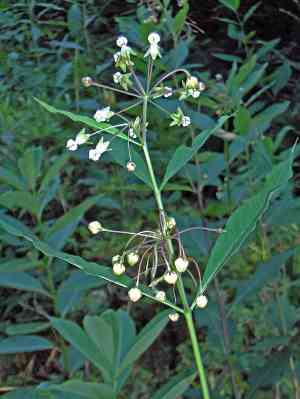
Poke milkweed (Asclepias exaltata)
Also known as: Poke Milkweed
Poke milkweed grows best in woodland areas with partial to full shade. It prefers moist, well-drained soils and is a favorite of both monarch butterflies and rabbits. The plant is long-lived and non-invasive.
Attributes of Poke milkweed
Images of Poke milkweed
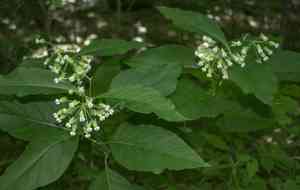
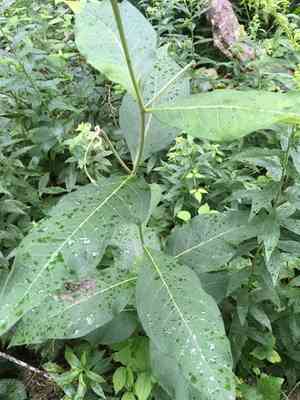
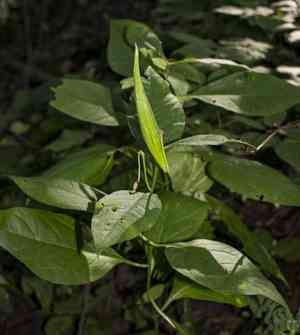
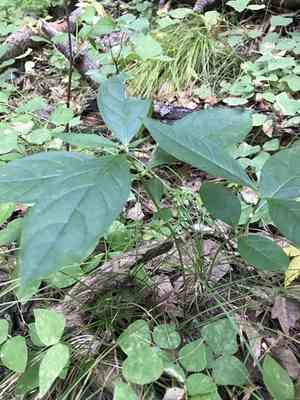
Quickly Identify Poke milkweed
Scientific Classification of Poke milkweed
Planting and Growing of Poke milkweed
 How to Water Poke milkweed?
 What Are the Sunlight Requirements for Poke milkweed?
 What Is the Ideal Temperature Range for Poke milkweed?
 What Soil is Best for Poke milkweed?
 How to Fertilize Poke milkweed?
 How to Prune Poke milkweed?
 How to Propagate Poke milkweed plant?
 How to Repot Poke milkweed plant?
Toxicity of Poke milkweed
Is Poke milkweed toxic to humans?
The consumption of significant amounts of poke milkweed can lead to a critical situation that necessitates urgent medical intervention. Poisoning can also arise from exposure to the plant's sap. All parts of this plant are poisonous; its leaves are particularly rich in toxic cardiac glycosides. Ingesting these plants may result in symptoms such as vomiting, lethargy, weakness, and muscle spasms. One might also observe skin, mouth, tongue, and throat irritation, which can cause throat swelling, breathing challenges, a sensation of burning pain, and gastrointestinal distress. Direct contact with the sap of poke milkweed may trigger skin irritation or rashes. This plant is commonly cultivated in gardens and can be found in many households, rendering children especially vulnerable.



