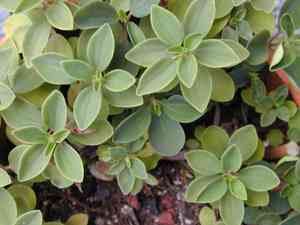
Hartweg's wild ginger(Asarum hartwegii)

Hartweg's wild ginger (Asarum hartwegii)

Also known as: Marbled Wild Ginger, Wild Ginger

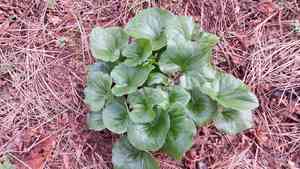
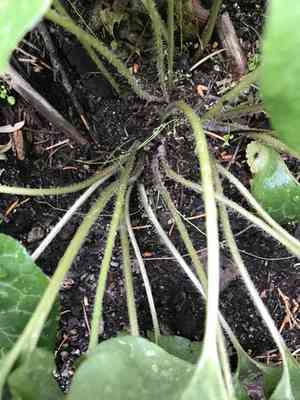
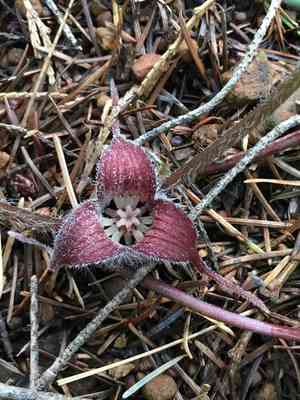
Hartweg's wild ginger (Asarum hartwegii) is a perennial herb notable for its distinctive heart-shaped leaves, which are dark green and often adorned with light green or silvery patterns. It produces small, bell-shaped, maroon flowers that typically remain hidden under the foliage. This plant grows slowly but is long-lived, making it a great choice for ground cover. It thrives in shady, moist environments and spreads gradually via rhizomes.

Attributes of Hartweg's wild ginger

Lifespan
Perennial
Plant Type
Herb
Plant Height
7 cm
Spread
25 cm
Leaf Color
Dark Green
Flower Size
2.5 cm to 5 cm
Flower Color
Purple Brown Red

ForwardPlant - Identify plants with a snap

Identify and diagnose plants, get toxicity alerts, and explore safety guides for all types of fungi.

Try for Free

Images of Hartweg's wild ginger

Hartweg's wild ginger(Asarum hartwegii)

Quickly Identify Hartweg's wild ginger

1
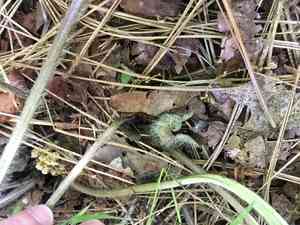
Identify Asarum hartwegii by its low-growing habit, heart-shaped leaves with a leathery texture, and the small, somewhat hidden flowers that are brownish-purple in color. The plant often spreads to form a ground cover in shaded woodland areas.

Scientific Classification of Hartweg's wild ginger

Phylum
Vascular plants
Class
Dicotyledons
Order
Piperales
Family
Birthwort
Genus
Wild gingers
Species
Hartweg's wild ginger

Planting and Growing of Hartweg's wild ginger

Care Difficulty
Easy
Watering Schedule
Every 2 days
Sunlight Requirements
Full shade
Sunshine Duration
4-8 hours
Ideal Temperature
65-75℉
Soil Type
Potting Mix, Peat Mix
Soil pH
6.5-7.5
Fertilizer Type
Balanced
Pruning Season
Spring, Summer
Pruning Area
Branches, Leaves
Pruning Frequency
2 times a year
Repotting Season
Spring
Pot Type
Plastic, Ceramic

water icon How to Water Hartweg's wild ginger?

Asarum hartwegii thrives best in consistently moist, well-draining soil. When watering, aim to saturate the soil with approximately 200 ml of water. Ensure the soil is evenly moist, but never waterlogged, allowing excess water to drain freely.
What are the symptoms of an underwatered Hartweg's wild ginger?
What should I do if my Hartweg's wild ginger is not getting enough water?
What are the symptoms of an overwatered Hartweg's wild ginger?
How to save an overwatered Hartweg's wild ginger?

sunlight icon What Are the Sunlight Requirements for Hartweg's wild ginger?

Sunlight Requirements: Full shade, Partial sun
Duration of light: 3 to 5 hours
Ideally, Asarum hartwegii should be in partial shade, mimicking its natural habitat's dappled light found in forest floors, which encourages robust growth and healthy foliage.
How much light does Asarum hartwegii need daily?
What solutions exist to ensure ideal lighting for Asarum hartwegii?
What benefits does Asarum hartwegii gain from ideal lighting?
More About Sunlight Requirements Techniques

temperature icon What Is the Ideal Temperature Range for Hartweg's wild ginger?

Ideal Temperature: 65 ~ 75℉
For optimal growth, Asarum hartwegii, commonly known as Hartweg's Wild Ginger, thrives in a temperature range of 65°F to 75°F. This range provides the perfect balance for metabolic and physiological processes, ensuring healthy plant development and maximizing growth potential.

soil icon What Soil is Best for Hartweg's wild ginger?

Soil type: Loam, Sandy loam
Soil PH: 6.5 ~ 7.5
Asarum hartwegii thrives in well-drained soil, which prevents waterlogging and root rot. Utilizing a well-draining medium ensures the roots can breathe and sustain a healthy growth while avoiding excess moisture-related issues. This plant requires a nutrient-rich environment to support its lush foliage. Incorporating organic matter like compost into the soil can provide essential nutrients and improve the soil structure, fostering healthier plant development and vibrant leaf coloration. Asarum hartwegii enjoys consistently moist soil conditions without becoming waterlogged. A balance of moisture ensures the plant's leaves remain hydrated and healthy, enhancing its overall appearance and vitality.

fertilize icon How to Fertilize Hartweg's wild ginger?

Fertilizer type: Balanced
For Asarum hartwegii, a modest approach is needed when applying fertilizers. Liquid fertilizers should be diluted to half the recommended strength to prevent root damage. For solid fertilizers, a quarter cup of slow-release granules can suffice for each application. Always ensure evenly spread to avoid nutrient hotspots.

prune icon How to Prune Hartweg's wild ginger?

Pruning Time: Spring, Autumn
Start by removing any dead or damaged leaves from the plant to allow for healthier growth. Use sharp, clean scissors or pruners to make precise cuts near the base of the affected leaf. This helps in preventing disease spread and encourages more robust foliage. To maintain its characteristic form, prune back overgrown stems that may disrupt the plant's structure. Cut these stems back just above a healthy leaf node to promote branching and help the plant retain its desired shape. This also enhances air circulation within the plant, reducing humidity and disease risk. More About Pruning Techniques

propagate icon How to Propagate Hartweg's wild ginger plant?

Propagate Time: Spring, Early spring
1
Begin by filling seed starter trays with a high-quality potting mix. Sow the Asarum hartwegii seeds on the surface, lightly covering them with soil. Maintain moisture by misting regularly and placing the tray in indirect sunlight.
2
For division propagation, carefully dig up the plant in early spring. Use gardening shears to divide the root mass into smaller sections, ensuring each piece has healthy roots. Replant the divided sections immediately in the desired location.
3
Once seedlings develop several true leaves, harden them off by gradually introducing them to outdoor conditions. Transplant them into larger pots or directly into the garden, ensuring they have enough space to grow.
More About Propagating Techniques

repot icon How to Repot Hartweg's wild ginger plant?

Repotting frequency: Every 2-3 years
1
It's time to repot Asarum hartwegii when you notice its roots poking through the drainage holes or it's been several years since the last repotting. Another signal is when the plant appears to have stopped growing, indicating it needs more space.
2
Select a pot that is 1-2 inches larger in diameter than the current one. A pot with good drainage holes is crucial to prevent waterlogging, which can lead to root rot. A slightly larger pot allows room for root growth while avoiding excess moisture retention.
3
Use a mix that is rich in organic matter yet drains well. A well-draining soil helps prevent the roots from sitting in water, which can cause rot. The organic content will ensure the plant receives necessary nutrients while maintaining moisture.

ForwardPlant - Identify plants with a snap

Find the best spots for them to optimize their health, simply using your phone.

Try for Free

Toxicity of Hartweg's wild ginger

Is Hartweg's wild ginger toxic to humans?

Hartweg's wild ginger poses a risk of toxicity when ingested in excessive amounts. While consuming small quantities may result in mild poisoning effects, the plant's leaves are toxic due to the presence of aristolochic acids. Individuals who consume this plant may experience digestive problems. Ingesting large amounts can result in serious kidney damage and an increased risk of urinary tract cancer.

Identify toxic plants for your safety

Learn which plants are harmful to you and your pets, and make informed choices for a safer home!

Try for Free
WARNING
The judgment on toxicity and danger is for reference only. We DO NOT GUARANTEE any accuracy of such judgment. Therefore, you SHALL NOT rely on such judgment. It is IMPORTANT TO SEEK PROFESSIONAL ADVICE in advance when necessary.
More About Toxic Techniques