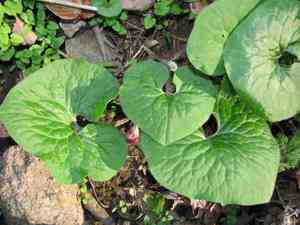
Wild ginger (Asarum canadense)
Also known as: Canada snakeroot, Black snakeweed, Ginger root, Southern snakeroot, Vermont snakeroot
Wild ginger (Asarum canadense) is not related to the true ginger found in stores, despite their similar aroma. Caution is advised because wild ginger contains a harmful compound, aristolochic acid, which poses serious health risks.
Attributes of Wild ginger
Images of Wild ginger
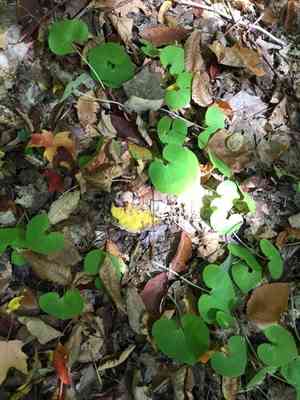
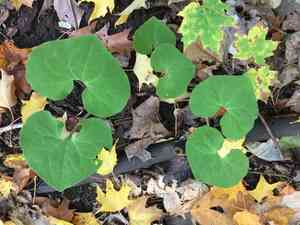
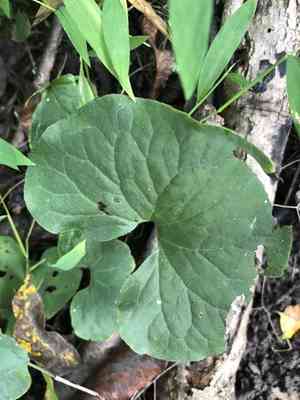
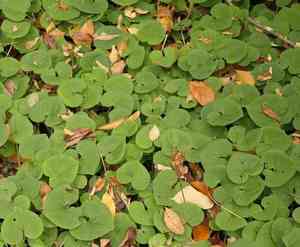
Quickly Identify Wild ginger
Scientific Classification of Wild ginger
Planting and Growing of Wild ginger
 How to Water Wild ginger?
 What Are the Sunlight Requirements for Wild ginger?
 What Is the Ideal Temperature Range for Wild ginger?
 What Soil is Best for Wild ginger?
 How to Fertilize Wild ginger?
 How to Prune Wild ginger?
 How to Propagate Wild ginger plant?
 How to Repot Wild ginger plant?
Toxicity of Wild ginger
Is Wild ginger toxic to humans?
Wild ginger has a mild toxicity that can affect both ingestion and skin contact. The leaves pose a significant risk; direct exposure can lead to dermatitis in certain individuals. Therefore, it is crucial to wear protective gear, including gloves and long sleeves, while handling wild ginger, and to thoroughly wash your hands afterward. While consuming small quantities of this plant is generally safe, frequent ingestion or large amounts may result in minor gastrointestinal problems such as nausea, vomiting, diarrhea, and abdominal discomfort.
Is Wild ginger toxic to cat?
Wild ginger, also referred to as Wild ginger, exhibits a low toxicity level for felines. Cats may experience poisoning if they consume significant portions of this plant. Following ingestion of wild ginger, symptoms that may suggest a cat is impacted can include general signs of physical unease or a disruption in their overall condition. Pet owners are advised to observe their animals closely for any appearance of abnormal behaviors or health issues and should swiftly pursue professional veterinary care. It is essential to act without delay by transporting the cat to a veterinary clinic for treatment to safeguard their health and facilitate recovery.
Is Wild ginger toxic to dog?
Wild ginger carries a low toxicity risk to dogs. If ingested in significant quantities, this plant can poison canines. Every part of wild ginger is toxic, meaning that eating any part, be it leaves, stems, roots, or seeds, could result in poisoning. Symptoms can vary, with common signs including gastrointestinal disturbances such as vomiting and diarrhea. It is vital for dog owners to keep a close watch on their pets and restrict access to wild ginger, especially if the dog is known to nibble on plants. Should a dog consume wild ginger, seeking immediate veterinary assistance is essential to secure the best possible recovery for the animal.



