Wild gingers (Asarum) (Asarum)
Also known as: wild ginger, Canadian snakeroot
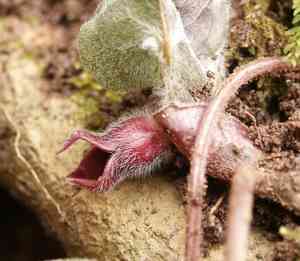
Wild ginger gets its name due to its roots smelling very similar to the ginger that is used in cooking. Unfortunately, wild gingers are totally unrelated to regular ginger, and most parts of these plants are in fact, toxic. These plants typically have heart-shaped leaves and small, jug-shaped flowers - in some regions, they go by the common name "little jugs."
In This Article
Attributes of Wild gingers (Asarum)
Lifespan
Perennial
Plant Height
15 cm to 25 cm
Spread
15 cm to 45 cm
Leaf Color
Green, variegated
Flower Size
1-3 cm
Flower Color
Brown, purple
Images of Wild gingers (Asarum)
Quickly Identify Wild gingers (Asarum)
1
To identify Asarum, look for its unique heart-shaped leaves which often have a leathery texture and a shiny appearance. The flowers are typically small, brown to purple, and hidden beneath the foliage near the ground.
Scientific Classification of Wild gingers (Asarum)
Phylum
Magnoliophyta
Class
Magnoliopsida
Order
Piperales
Family
Aristolochiaceae
Genus
Asarum
Planting and Growing of Wild gingers (Asarum)
Care Difficulty
Moderate
Watering Schedule
Every 3 days
Sunlight Requirements
Partial sun
Sunshine Duration
4-8 hours
Ideal Temperature
60-70℉
Soil Type
Potting Mix, Peat Mix
Soil pH
6-7.5
Fertilizer Type
Balanced
Pruning Season
Spring, Summer
Pruning Area
Branches, Leaves
Pruning Frequency
2 times a year
Repotting Season
Spring
Pot Type
Plastic, Ceramic
 How to Water Wild gingers (Asarum)?
Asarum prefers consistently moist but not waterlogged soil. Water it deeply until the top inch of soil feels moist to touch, adhering to the principle of keeping the soil evenly moist without allowing the plant to sit in water.
What are the symptoms of an underwatered Wild gingers (Asarum)?
›
What should I do if my Wild gingers (Asarum) is not getting enough water?
›
What are the symptoms of an overwatered Wild gingers (Asarum)?
›
How to save an overwatered Wild gingers (Asarum)?
›
 What Are the Sunlight Requirements for Wild gingers (Asarum)?
Asarum benefits the most from partial sun, equivalent to a few hours of morning or late afternoon sunlight. This enables vigorous growth, vibrant greenery, and fewer stress symptoms.
Optimal Sunlight
›
Solutions for Ideal Light
›
Benefits of Ideal Lighting
›
 What Is the Ideal Temperature Range for Wild gingers (Asarum)?
The ideal temperature range for Asarum species is between 60°F and 70°F. This range provides optimal conditions for growth and ensures that the plant maintains its lush foliage. Why is this range ideal? Asarum flourishes best in moderate temperatures consistent with its native woodland habitats, which mimic these conditions closely.
 What Soil is Best for Wild gingers (Asarum)?
Asarum thrives in well-drained soil to prevent root rot, ensuring healthy plant growth. Loamy soil, with its balance of sand, silt, and clay, provides excellent drainage and retains moisture, ideal for Asarum's needs. The soil for Asarum should retain moisture without becoming waterlogged. Sandy loam offers a balance that allows enough water retention for steady growth while preventing the roots from sitting in water too long. Asarum benefits greatly from a nutrient-rich environment. Incorporating organic matter such as compost or leaf mulch enriches the soil, providing the nutrients needed for lush foliage and vibrant growth.
 How to Fertilize Wild gingers (Asarum)?
When fertilizing Asarum, use a balanced liquid fertilizer at half the recommended strength to avoid over-fertilizing. Apply about 200 ml of this diluted mixture per plant. Always ensure that the soil is adequately moist before application to prevent root burn.
 How to Prune Wild gingers (Asarum)?
To prune Asarum, start by sterilizing your pruning tools to prevent disease transmission. Remove any dead or damaged leaves at the base using sharp scissors or pruning shears. Cut back the stems to encourage bushier growth, making sure not to remove more than a third of the plant at a time. Focus on maintaining the plant's natural shape and avoiding any asymmetrical growth.
 How to Propagate Wild gingers (Asarum) plant?
1
Start by collecting seeds from mature Asarum plants. Ensure seeds are completely dry before planting. Use a seed tray filled with a well-draining potting mix for sowing.
2
Carefully dig up the parent plant in early spring. Use a sharp knife to divide the rhizomes, ensuring each piece has roots and shoots. Replant immediately in a suitable location.
3
Take 2-3 inch root cuttings in early spring. Place them horizontally in a well-draining potting mix. Keep the soil moist and ensure the cuttings are not exposed to direct sunlight.
 How to Repot Wild gingers (Asarum) plant?
1
Knowing when to repot Asarum is crucial for its health. Look for signals like roots growing out of the drainage holes or slowed growth. Early spring or late autumn are optimal times when the plant is less active, reducing transplant shock.
2
The perfect pot is slightly larger than the current one with drainage holes to prevent waterlogging. A pot that breathes, like terracotta, ensures proper airflow and moisture balance, safeguarding the plant's roots from rot.
3
Opt for a rich and well-draining soil mix, perhaps a blend of loam, peat, and perlite. This composition provides the essential nutrients and allows excess water to escape, maintaining healthy root aeration.
Toxicity
Ingestion
WARNING
The judgment on toxicity and danger is for reference only. We DO NOT GUARANTEE any accuracy of such judgment. Therefore, you SHALL NOT rely on such judgment. It is IMPORTANT TO SEEK PROFESSIONAL ADVICE in advance when necessary.

