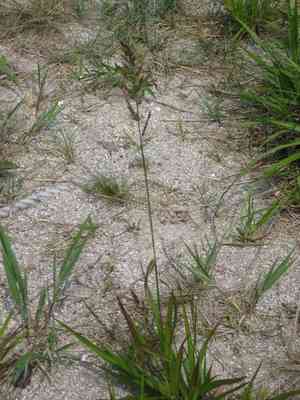
Hairy arundinella (Arundinella hirta)
Also known as: Hairy Grass
St. John's Wort (Hypericum perforatum) is a perennial plant that thrives in diverse habitats such as forest slopes, roadsides, riverbanks, and field edges. This herbaceous plant is easily recognized in the summer by its small yellow flowers.
In This Article
Attributes of Hairy arundinella
Lifespan
Perennial
Plant Type
Grass
Plant Height
90 cm to 1.5 m
Spread
Not typically measured as crown diameter in grasses
Leaf Color
Green
Flower Size
3 mm to 3.5 mm
Flower Color
Yellow Purple Green Brown
Images of Hairy arundinella
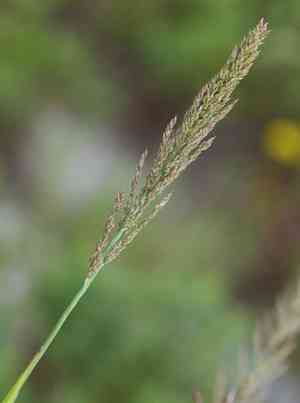
Quickly Identify Hairy arundinella
1
Arundinella hirta can be identified by its coarse, hairy stems and leaves. The panicles are loose and open, and the spikelets are usually covered with fine hairs.
Scientific Classification of Hairy arundinella
Phylum
Vascular plants
Class
Monocotyledons
Order
Grasses, sedges and allies
Family
Grass
Genus
Arundinella
Species
Hairy arundinella
Planting and Growing of Hairy arundinella
Care Difficulty
Easy
Watering Schedule
Every 2 days
Sunlight Requirements
Partial sun
Sunshine Duration
6-8 hours
Ideal Temperature
60-77℉
Soil Type
Potting Mix, Peat Mix
Soil pH
5.5-7.5
Fertilizer Type
Balanced
Pruning Season
Spring, Summer
Pruning Area
Branches, Leaves
Pruning Frequency
2 times a year
Repotting Season
Spring
Pot Type
Plastic, Ceramic
 How to Water Hairy arundinella?
For Arundinella hirta, known for its hardy nature, aim to give about 300 ml of water per session. This quantity ensures the soil receives enough moisture to allow the roots to absorb water without the risk of waterlogging. Always check the topsoil to ensure it is dry before watering, as this helps in maintaining the right moisture balance.
What are the symptoms of an underwatered Hairy arundinella?
›
What should I do if my Hairy arundinella is not getting enough water?
›
What are the symptoms of an overwatered Hairy arundinella?
›
How to save an overwatered Hairy arundinella?
›
 What Are the Sunlight Requirements for Hairy arundinella?
Arundinella hirta flourishes in partial sunlight, ideally 4-6 hours a day. This promotes strong and healthy growth, ensuring it obtains the necessary energy from sunlight for robust photosynthetic activity without losing moisture to excessive heat.
What type of light does Arundinella hirta prefer?
›
How can I achieve the ideal lighting for Arundinella hirta?
›
What benefits does Arundinella hirta gain from ideal lighting?
›
 What Is the Ideal Temperature Range for Hairy arundinella?
The ideal temperature range for Arundinella hirta is between 60°F and 77°F. This temperature range allows the grass to thrive, ensuring optimal growth and health. Within this range, the plant can efficiently perform photosynthesis and metabolic processes, contributing to its vitality and resistance to diseases.
 What Soil is Best for Hairy arundinella?
Arundinella hirta thrives in well-drained soil, which prevents waterlogging and ensures roots get ample oxygen. This is crucial for healthy root development and avoiding root rot. This plant prefers moderately fertile soils that allow it to access necessary nutrients without overwhelming its system. Moderation in fertility helps ensure steady growth without stress. While drainage is important, soil that can retain some moisture helps Arundinella hirta resist drought periods, giving it a buffer to maintain health during dry spells.
 How to Fertilize Hairy arundinella?
For Arundinella hirta, avoid over-fertilizing. Use a balanced liquid fertilizer diluted to half strength. Ensure each application covers the soil evenly, avoiding direct contact with the plant base.
 How to Prune Hairy arundinella?
Begin by examining the plant to identify dead or damaged stems that require removal. Use sharp and sterilized pruning shears to cut back these stems to a healthy point. Next, thin out any overly crowded areas to facilitate airflow and light penetration. Trimming the tips of any overly long stems helps maintain the plant's shape.
More About Pruning Techniques→
 How to Propagate Hairy arundinella plant?
1
Begin by collecting ripe seeds from the plant and cleaning them to remove any pulp or debris. Allow the seeds to dry in a cool, dark place before planting them in a seed tray filled with a seed-starting mix.
2
Sow the seeds thinly over the surface of the seed-starting mix and cover them lightly with a 0.5cm layer of the mix. Gently water the seeds and keep them at a temperature of 20-25°C (68-77°F) until germination occurs.
3
When using division propagation, gently dig up the plant in early summer. Use a sharp knife or spade to divide the plant into smaller sections, ensuring each section has sufficient roots and shoots for replanting.
 How to Repot Hairy arundinella plant?
1
Look for signs like roots growing out of drainage holes, slow growth, or compacted soil. These indicate it's time for a change. Repot during Spring or Summer for best results, when the plant is actively growing and can recover quickly.
2
Select a pot that is 1-2 inches larger in diameter than the previous one. Ensure it has sufficient drainage holes to prevent waterlogging, which can lead to root rot. A slightly bigger pot allows for root expansion, promoting healthy growth.
3
Choose a well-draining loamy mix, ideal for Arundinella hirta. This ensures proper aeration and prevents water from clinging to the roots, thus reducing the risk of rot. Loamy soil holds nutrients well, ensuring your plant gets the essentials.



