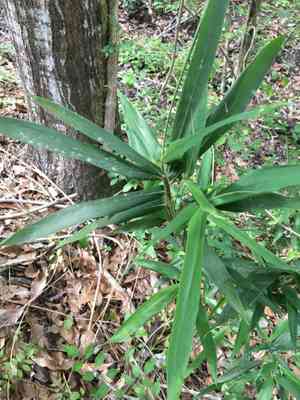
Switchcane (Arundinaria tecta)
Also known as: Switch Cane, Canebrake Bamboo
River cane (Arundinaria gigantea) is a bamboo species indigenous to the southeastern United States, thriving in moist environments. It often forms thick clusters called canebrakes, offering shelter to wildlife such as the canebrake rattlesnake and serving as a host for various butterfly species. Additionally, Native Americans historically utilized its stems for crafting baskets.
In This Article
Attributes of Switchcane
Lifespan
Perennial
Plant Type
Grass
Plant Height
91 cm to 1.8 m
Spread
2.5 cm
Leaf Color
Green
Flower Size
Flowers are small, not showy, and typically not measured
Flower Color
Not applicable as it rarely flowers
Images of Switchcane
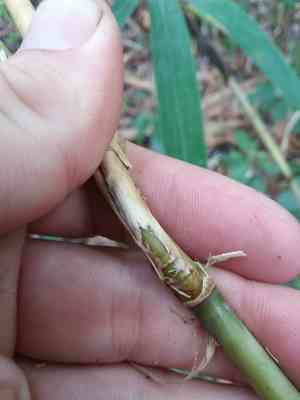
Quickly Identify Switchcane
1
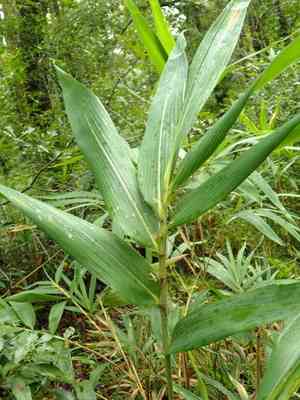
Upright growth habit, heights of 2-6 feet (60-180 cm).
2
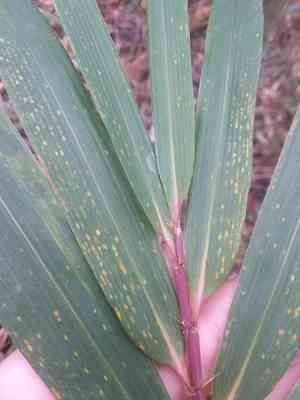
Narrow, lance-shaped deciduous leaves.
3
Panicles with small, greenish flowers in clusters.
4
Dry, single-seeded caryopsis with textured casing.
5
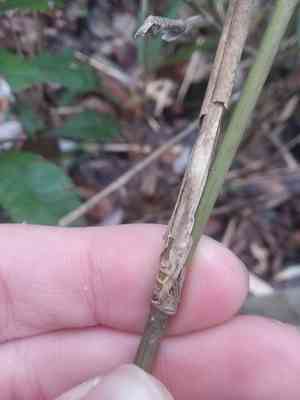
Thin-walled stems with limited branching, 0.5-1 inch (1.27-2.54 cm) in diameter.
Scientific Classification of Switchcane
Phylum
Vascular plants
Class
Monocotyledons
Order
Poales
Family
Grass
Genus
Cane
Species
Switchcane
Planting and Growing of Switchcane
Care Difficulty
Easy
Watering Schedule
Every 4 days
Sunlight Requirements
Partial sun
Sunshine Duration
4-8 hours
Ideal Temperature
60-75℉
Soil Type
Potting Mix, Peat Mix
Soil pH
6.5-7.5
Fertilizer Type
Balanced
Pruning Season
Spring, Summer
Pruning Area
Branches, Leaves
Pruning Frequency
2 times a year
Repotting Season
Spring
Pot Type
Terracotta, Plastic
 How to Water Switchcane?
For Arundinaria tecta, it is crucial to provide approximately 500 ml of water during each watering session. The goal is to moisten the soil adequately without waterlogging. You should aim for a moist but not soggy substrate, ensuring the roots can absorb the necessary nutrients without suffocating from excess water.
What are the symptoms of an underwatered Switchcane?
›
What should I do if my Switchcane is not getting enough water?
›
What are the symptoms of an overwatered Switchcane?
›
How to save an overwatered Switchcane?
›
 What Are the Sunlight Requirements for Switchcane?
Arundinaria tecta cultivates best under partial sun conditions, typically achieving peak growth with morning light followed by dappled shade. This balance is crucial for supporting its lush, vibrant foliage and efficient growth.
More About Sunlight Requirements Techniques→
What type of light does Arundinaria tecta thrive in?
›
How should you position Arundinaria tecta for ideal light?
›
What are the benefits of ideal lighting for Arundinaria tecta?
›
 What Is the Ideal Temperature Range for Switchcane?
Arundinaria tecta, commonly known as switchcane, thrives best in temperatures ranging from 60°F to 75°F. This range allows for optimal photosynthesis, nutrient absorption, and metabolic processes vital to healthy plant growth. Keeping the plant within this range promotes vibrant, lush foliage and stimulates healthy growth throughout the year. Deviation from this optimal range may impede its development and overall health.
 What Soil is Best for Switchcane?
Arundinaria tecta thrives in soils that retain moisture well, ensuring consistent hydration. This is crucial for its lush growth, as inadequate water can stunt development. Rich loamy soils are preferred due to their high organic matter and nutrient availability. This supports robust growth and vibrant foliage, crucial for healthy plant development. While moisture-retentive, the soil should also drain well to prevent root rot. This balance prevents the roots from becoming waterlogged, promoting a healthy root system.
 How to Fertilize Switchcane?
Arundinaria tecta (switch cane) prefers a balanced fertilizing approach. For liquid fertilizers, use a diluted solution with a concentration of 1/4 of the recommended strength to prevent root burn. Apply enough to moisten the soil without waterlogging.
 How to Prune Switchcane?
Arundinaria tecta, commonly known as Switch Cane, requires careful pruning to maintain its health and aesthetic appeal. Begin by removing any dead or damaged canes, which may harbor pests or diseases. Use clean, sharp pruning shears and cut the canes at ground level. This not only rejuvenates the plant but also allows sunlight to penetrate to the base, promoting new growth. It's essential to thin out clumps by removing older canes from the center of the plant, allowing more space for newer canes to thrive. Regular thinning enhances airflow through the plant, reducing the chances of fungal infections. Aim to leave the healthiest, youngest canes intact, ensuring that the plant remains vigorous and lush. For mature or overgrown Arundinaria tecta, a more intensive pruning approach may be necessary. This involves cutting all the canes down to a height of about 6 inches above the ground. Such a drastic measure should only be done in early spring before new growth starts. While it may seem extreme, this technique allows the plant to regenerate and form fresh, vigorous shoots. This renewal pruning can be beneficial every few years to restore an unkempt plant to a more manageable size and shape. However, expect that the plant might take a season or two to regain its full appearance.
More About Pruning Techniques→
 How to Propagate Switchcane plant?
1
Carefully dig up the Arundinaria tecta clump, gently knocking off excess soil to expose the roots. This process helps identify healthy sections of the plant that are suitable for division.
2
Collect mature seeds from the plant, ensuring they are thoroughly dry before sowing. Prepare seed trays with well-draining soil, and sow the seeds approximately one inch apart, covering them lightly with soil.
3
After dividing the plant, water the new sections thoroughly and plant them in well-prepared soil. Monitor moisture levels to keep the soil consistently damp, but not waterlogged, to encourage healthy root development.
 How to Repot Switchcane plant?
1
Arundinaria tecta should be repotted when you notice roots circling the pot surface, poor drainage, or stunted growth. These signs indicate that the plant's roots have outgrown the current pot, limiting its access to nutrients and water.
2
Choose a pot that is 1-2 inches larger in diameter than the current one. Ensure it has drainage holes to facilitate water escape, preventing root rot. A slightly larger pot allows roots to stretch and the plant to resume healthy growth without overwhelming it.
3
Select a loamy, well-draining soil blend to ensure proper aeration and moisture retention. This type of soil prevents waterlogging, allowing roots to breathe and absorb nutrients efficiently, promoting a healthy growth environment for Arundinaria tecta.



