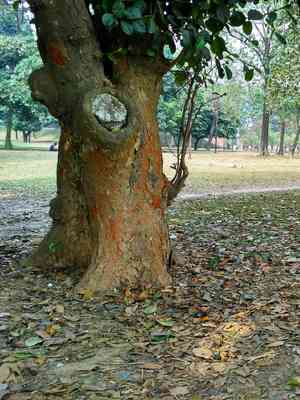
Jackfruit (Artocarpus heterophyllus)
Also known as: Jackfruit, Jaca
The jackfruit tree (Artocarpus heterophyllus), closely related to the fig tree, originates from India and Malaysia. Its fruit, known as jackfruit, is widely used in global cuisines. When ripe, the jackfruit has a sweet flavor and is often enjoyed raw in various cold dishes.
In This Article
Attributes of Jackfruit
Lifespan
Perennial
Plant Type
Tree
Plant Height
10 m to 20 m
Spread
20 m
Leaf Color
Green
Flower Size
8 cm to 13 cm
Flower Color
Green Cream
Images of Jackfruit
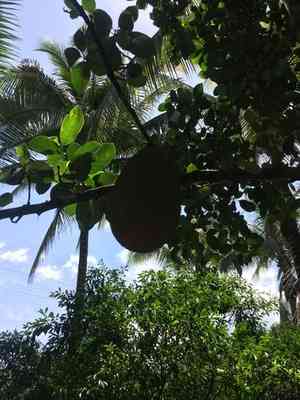
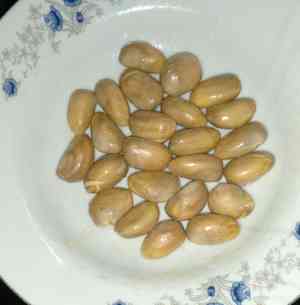
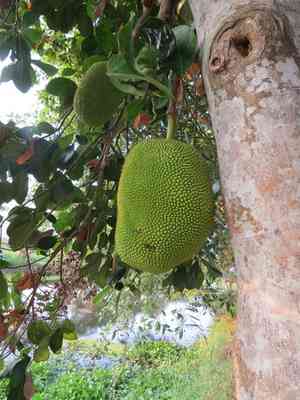
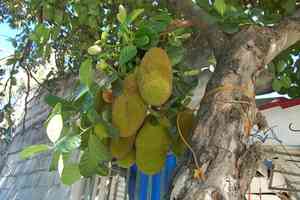
Quickly Identify Jackfruit
1
Jackfruit trees can be identified by their large, lobed leaves and their massive, spiky fruit which emits a strong, sweet fragrance when ripe. The tree itself can grow to considerable heights, often up to 25 meters.
Scientific Classification of Jackfruit
Phylum
Vascular plants
Class
Dicotyledons
Order
Roses, elms, figs, and allies
Family
Mulberry
Genus
Artocarpus
Species
Jackfruit
Planting and Growing of Jackfruit
Care Difficulty
Hard
Watering Schedule
Every 3 days
Sunlight Requirements
Full sun
Sunshine Duration
4-8 hours
Ideal Temperature
60-95℉
Soil Type
Potting Mix, Peat Mix
Soil pH
6.5-7.5
Fertilizer Type
Balanced
Pruning Season
Spring, Summer
Pruning Area
Branches, Leaves
Pruning Frequency
Once a year
Repotting Season
Spring
Pot Type
Plastic, Ceramic
 How to Water Jackfruit?
Watering should be generous, with approximately 500 ml each time, enough to ensure that the soil is evenly moist but not waterlogged. The goal is to saturate the root zone thoroughly but allow excess water to drain, preventing water from standing. It's important that the water soaks deeply into the soil to maintain moisture levels without causing root rot.
More About Watering Techniques→
What are the symptoms of an underwatered Jackfruit?
›
What should I do if my Jackfruit is not getting enough water?
›
What are the symptoms of an overwatered Jackfruit?
›
How to save an overwatered Jackfruit?
›
 What Are the Sunlight Requirements for Jackfruit?
Artocarpus heterophyllus is best suited to environments with full to partial sunlight, ideally receiving 6-8 hours daily. Proper exposure ensures vigorous growth, lush foliage, and abundant fruit production.
More About Sunlight Requirements Techniques→
Optimal Light Exposure
›
Effective Positioning
›
Benefits of Ideal Lighting
›
 What Is the Ideal Temperature Range for Jackfruit?
The jackfruit tree, or Artocarpus heterophyllus, thrives ideally in temperatures between 60°F and 95°F. This range supports optimal physiological functions, including photosynthesis and nutrient absorption, facilitating healthy growth and fruit production.
 What Soil is Best for Jackfruit?
Artocarpus heterophyllus thrives in well-drained soil, which prevents waterlogging and root rot, ensuring healthy plant growth and nutrient uptake. Proper drainage helps in accessing oxygen for roots, pivotal for this plant's vigorous growth. This plant does best in nutrient-rich soil, which provides essential elements like nitrogen and phosphorus, crucial for its development. A nutrient-dense environment boosts fruit production and overall plant vitality. The tree prefers soil that retains adequate moisture without becoming waterlogged. This helps maintain hydration levels during dry spells, ensuring continued growth and fruiting by preventing dehydration stress.
More About Soil→
 How to Fertilize Jackfruit?
Artocarpus heterophyllus, commonly known as jackfruit, thrives best when provided with a balanced approach to fertilization. Typically, a mixture with equal parts of nitrogen (N), phosphorus (P), and potassium (K) such as a 10-10-10 formula works effectively. For every young tree, about 100 grams applied around its base once a month ensures optimal growth. Mature trees, on the other hand, may require around 220 grams, depending on their size and health.
More About Fertilizing Techniques→
 How to Prune Jackfruit?
Begin by cutting away any clearly dead or diseased branches. These should be removed close to the trunk to prevent further spread of disease. Prune back long branches that disrupt the desired shape of the jackfruit tree. Aim for a balance that allows sunlight to penetrate and air to circulate through the canopy. Trim branches that cross or create dense clusters. This encourages healthy growth by improving light exposure and air flow, thus enhancing the tree's overall vigor.
More About Pruning Techniques→
 How to Propagate Jackfruit plant?
1
Collect seeds from mature jackfruit. Clean them thoroughly to remove any flesh and then dry for a day. Soaking seeds in water for 24 hours before planting can enhance germination by softening the seed coat.
2
Select healthy scions and rootstocks for grafting. A common technique is the cleft grafting, which involves inserting the scion into a split rootstock. Secure the graft with grafting tape to maintain contact for successful fusion.
3
Sow seeds about 1 inch deep in the prepared growing medium. Space them adequately to allow for air circulation. Water moderately to keep the soil moist but avoid overwatering, which could lead to rot.
 How to Repot Jackfruit plant?
1
Look for signs that your Artocarpus heterophyllus needs repotting, such as roots emerging from drainage holes, slowed growth, or water pooling on the surface. These indicators suggest the plant is outgrowing its pot and needs a new home to continue thriving.
2
Select a pot one size larger than the current one to ensure sufficient space for root growth. Opt for a container with ample drainage holes to prevent waterlogging and root rot. This helps maintain optimal moisture levels for your plant.
3
Use a well-draining potting mix containing a blend of peat, perlite, and compost. This combination provides necessary nutrients while ensuring excess water drains away efficiently, preventing root rot and promoting healthy growth.



