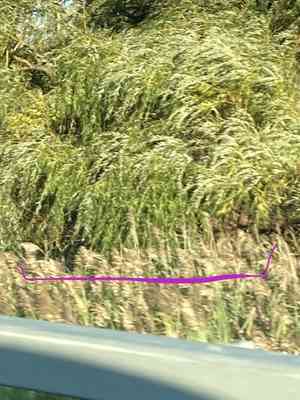
Mugworts (Artemisia) (Artemisia)
Also known as: Wormwoods
The genus you're looking for is *Artemisia*. These plants are primarily herbs, although some resemble shrubs and are popular in gardens for their dense and unique foliage. The name *Artemisia* is derived from the Greek goddess Artemis. They are often used for extracting essential oils.
In This Article
Attributes of Mugworts (Artemisia)
Lifespan
Annual, Biennial, Perennial
Plant Height
0.5 to 1.5 meters
Spread
0.5 to 1 meter
Leaf Color
Grayish-green
Flower Size
0.3 to 0.5 centimeters
Flower Color
Yellow or white
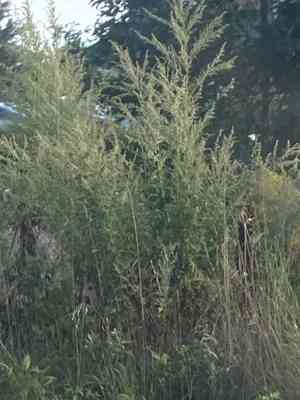
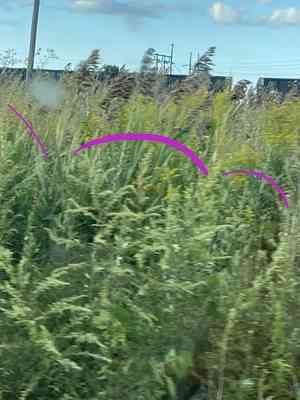
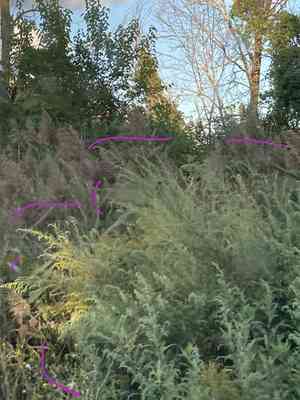
Images of Mugworts (Artemisia)

Quickly Identify Mugworts (Artemisia)
1
Artemisia plants usually have finely divided leaves, often grayish-green, and can have a strong, distinctive aroma. The flowers are typically small and grouped in leafy clusters. The stems are often woody at the base.
Scientific Classification of Mugworts (Artemisia)
Phylum
Tracheophyta
Class
Magnoliopsida
Order
Asterales
Family
Asteraceae
Genus
Artemisia
Planting and Growing of Mugworts (Artemisia)
Care Difficulty
Moderate
Watering Schedule
Every 2 days
Sunlight Requirements
Full sun
Sunshine Duration
6-8 hours
Ideal Temperature
60-75℉
Soil Type
Potting Mix, Peat Mix
Soil pH
6.5-7.5
Fertilizer Type
Balanced
Pruning Season
Spring, Summer
Pruning Area
Leaves, Branches
Pruning Frequency
2 times a year
Repotting Season
Spring
Pot Type
Plastic, Ceramic
 How to Water Mugworts (Artemisia)?
For Artemisia, the watering amount should be enough to moisten the soil to a depth of about 5 inches. Always let the top 1-2 inches of soil dry out completely between waterings, as the plant prefers drier conditions.
What are the symptoms of an underwatered Mugworts (Artemisia)?
›
What should I do if my Mugworts (Artemisia) is not getting enough water?
›
What are the symptoms of an overwatered Mugworts (Artemisia)?
›
How to save an overwatered Mugworts (Artemisia)?
›
 What Are the Sunlight Requirements for Mugworts (Artemisia)?
Artemisia benefits from full sun to partial sun, ideally 6-8 hours daily. Ideal lighting conditions lead to improved growth, better foliage color, and overall enhanced plant vitality.
Best Light Conditions
›
Solutions to Achieve Ideal Lighting
›
Benefits of Ideal Lighting
›
 What Is the Ideal Temperature Range for Mugworts (Artemisia)?
Artemisia thrives in a temperate environment with temperatures typically between 60°F and 75°F. This range offers sufficient warmth to promote healthy growth without stressing the plant. Daytime temperatures at the upper end of this range coupled with cooler nights help enhance metabolic activities, such as photosynthesis and nutrient transport.
 What Soil is Best for Mugworts (Artemisia)?
Artemisia thrives in well-drained soil because it prevents root rot. Proper drainage ensures that water doesn't accumulate around the roots, allowing the plant to access nutrients effectively while avoiding moisture-related diseases. Although Artemisia can tolerate poor soils, it benefits from a moderate level of fertility. Nutrient-balanced soil promotes healthy growth and enhances the plant's aromatic properties, maximizing its ornamental and medicinal potential. A soil with good aeration is vital for Artemisia as it facilitates root respiration and nutrient uptake. An aerated soil structure helps the roots grow deep and strong, ensuring a robust and resilient plant.
 How to Fertilize Mugworts (Artemisia)?
Artemisia plants generally require moderate amounts of fertilizer. During the growing season, use a balanced liquid fertilizer diluted to half strength. For slow-release granules, apply according to package instructions, as these deliver nutrients over a longer period.
 How to Prune Mugworts (Artemisia)?
Begin by cutting away any dead, damaged, or diseased branches. This prevents the spread of disease and makes it easier to focus on shaping the healthy parts of the plant. Remove any crowded or crossing branches to improve air circulation. Shape the plant by trimming back the outer growth to maintain a natural, rounded form. Ensure you do not cut back to the woody parts as they are less likely to regrow. Trim just above a node or leaf bud to encourage new shoots. This method helps to maintain a dense, bushy appearance and promotes the development of fragrant foliage.
 How to Propagate Mugworts (Artemisia) plant?
1
Harvest seeds from mature plants in late summer or early autumn. Remove any pulp or debris and allow them to dry thoroughly for a week in a cool, dry place. Store the seeds in a paper envelope in a dry and cool location until sowing.
2
Select healthy stems and cut 4-6 inch segments just below a node. Remove leaves from the bottom half to enhance rooting. Optionally, dip the ends in rooting hormone to stimulate root development.
3
In early spring, choose established clumps for division. Lift the entire plant with a spade and gently separate the roots into smaller, healthy clumps. Replant each clump promptly at the same soil depth as the original plant.
 How to Repot Mugworts (Artemisia) plant?
1
Repot Artemisia when you observe roots growing out of the drainage holes, or when the plant appears top-heavy and sluggish. It often happens every 1-2 years during early Spring or Summer when the plant enters its active growth phase, making it prone to adapt well to a change in its environment.
2
Choose a pot that is one size larger than the current one, with good drainage holes. This helps prevent root rot by allowing excess water to escape, which is crucial for the well-being of Artemisia. A pot with a width larger than its height ensures stability for this typically top-heavy plant.
3
Opt for well-draining, sandy soil, ideally a formula designed for cacti or succulents. Artemisia thrives best in these conditions as the soil imitates the plant’s natural habitat. Good drainage prevents water retention and root rot, ensuring healthy plant growth.
Toxicity
Ingestion, Skin Contact
WARNING
The judgment on toxicity and danger is for reference only. We DO NOT GUARANTEE any accuracy of such judgment. Therefore, you SHALL NOT rely on such judgment. It is IMPORTANT TO SEEK PROFESSIONAL ADVICE in advance when necessary.

