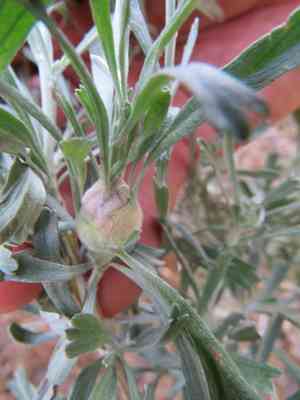
Big sagebrush (Artemisia tridentata)
Also known as: Bonneville big sagebrush, Mountain big sagebrush
Big sagebrush (Artemisia tridentata) is among the tallest sagebrush species globally, reaching up to 2.5 meters in height. When its leaves are crushed, they emit a distinct sharp and sweet fragrance.
In This Article
Attributes of Big sagebrush
Lifespan
Perennial
Plant Type
Shrub
Plant Height
91 cm to 2 m
Spread
90 cm to 3 m
Leaf Color
Green Silver
Flower Size
30 cm
Flower Color
Yellow
Images of Big sagebrush
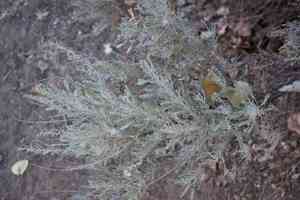
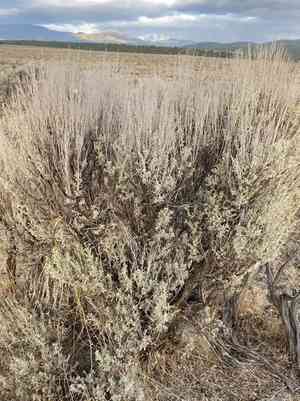
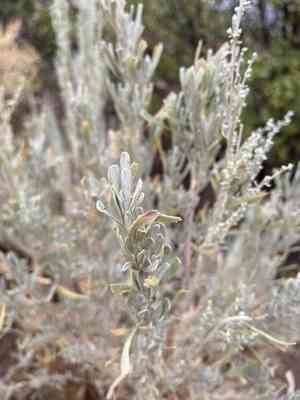
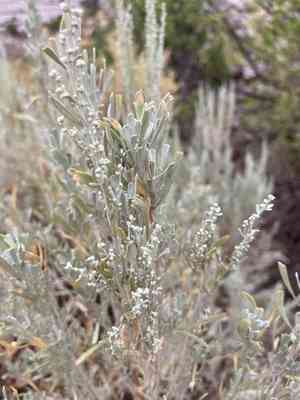
Quickly Identify Big sagebrush
1
Big sagebrush can be identified by its woody stems, silvery-green leaves with a distinctive three-toothed (tridentate) tip, and its dense, bushy appearance. The leaves are aromatic, and the plant produces small, yellow flowers in late summer and fall.
Scientific Classification of Big sagebrush
Phylum
Vascular plants
Class
Dicotyledons
Order
Asterales
Family
Daisy
Genus
Mugworts
Species
Big sagebrush
Planting and Growing of Big sagebrush
Care Difficulty
Easy
Watering Schedule
Every 2 days
Sunlight Requirements
Full sun
Sunshine Duration
6-10 hours
Ideal Temperature
60-70℉
Soil Type
Potting Mix, Peat Mix
Soil pH
6.5-8
Fertilizer Type
Balanced
Pruning Season
Spring, Summer
Pruning Area
Branches, Leaves
Pruning Frequency
2 times a year
Repotting Season
Spring
Pot Type
Plastic, Ceramic
 How to Water Big sagebrush?
Artemisia tridentata, commonly known as big sagebrush, thrives in arid regions and requires minimal water. When watering, ensure the soil is thoroughly soaked but not waterlogged. Around 250 milliliters per session usually suffices to moisten the root zone without causing any standing water.
What are the symptoms of an underwatered Big sagebrush?
›
What should I do if my Big sagebrush is not getting enough water?
›
What are the symptoms of an overwatered Big sagebrush?
›
How to save an overwatered Big sagebrush?
›
 What Are the Sunlight Requirements for Big sagebrush?
Prefers full sun exposure for optimal growth, promoting denser foliage and enhanced resistance against environmental stressors.
More About Sunlight Requirements Techniques→
Is full sunlight necessary?
›
How to achieve ideal lighting?
›
Benefits of ideal lighting?
›
 What Is the Ideal Temperature Range for Big sagebrush?
Artemisia tridentata thrives best in temperatures ranging from 60°F to 70°F. These conditions closely mimic its natural habitat and support optimal growth and health.
 What Soil is Best for Big sagebrush?
Artemisia tridentata thrives in nutrient-rich soils that can support its growth with essential minerals. A soil rich in nitrogen and phosphorus encourages healthy foliage and can enhance the plant's aromatic properties. Well-draining soil is crucial for this plant to prevent root rot. It allows excess water to escape easily, ensuring the roots are not waterlogged and continue to absorb nutrients effectively. While Artemisia tridentata is hardy and can adapt to a range of pH levels, it prefers slightly alkaline conditions. This environmental preference ensures optimal nutrient uptake and robust development.
 How to Fertilize Big sagebrush?
For Artemisia tridentata, the fertilization amount should be kept minimal. This plant thrives in nutrient-poor soils. Generally, a light application of liquid fertilizer, no more than a quarter of the recommended dose on the package, is sufficient. Over-fertilization can harm the plant more than help it, so always exercise caution when applying fertilizers.
 How to Prune Big sagebrush?
Begin pruning by identifying dead or damaged branches on your Artemisia tridentata. Use sharp, clean shears to make cuts that are just above a leaf node or lateral branch. This encourages healthy new growth. Regular thinning in spring, removing up to a third of the volume, allows air circulation and sunlight penetration, improving plant health and vigor. For a tidy appearance, selectively trim branches to maintain the natural shape of the sagebrush. Focus on cutting back long, leggy stems to promote a bushier habit. Make precise cuts at a 45-degree angle to prevent water accumulation on the cut surfaces and deter disease.
More About Pruning Techniques→
 How to Propagate Big sagebrush plant?
1
Begin by filling seed trays with a mixture of compost and sand. Evenly distribute the seeds over the surface and lightly cover them with a thin layer of soil. Ensure the soil remains moist but not waterlogged to encourage germination.
2
Select a healthy parent plant and use pruning shears to cut a 6-8 inch section just below a node. Remove the leaves from the lower half and dip the cut end in rooting hormone before planting it in a potting mix.
3
Carefully remove the plant from its container and separate the root ball into smaller sections, each with its shoots and roots. Replant these divisions in prepared soil, ensuring adequate watering to establish growth.
 How to Repot Big sagebrush plant?
1
Repot Artemisia tridentata when you notice roots growing out of the drainage holes, indicating the plant has outgrown its current pot. It's also time to repot if the soil appears compacted or waterlogged, which suggests poor drainage and aeration. Spring and autumn are the best seasons to repot as the plant is in its active growth phase and can quickly recover from the transplant shock.
2
Select a pot that is one or two sizes larger than the current one. The new pot should have ample drainage holes to prevent waterlogging, facilitating proper root aeration. Materials like terra cotta are ideal as they allow excess moisture to evaporate, reducing the risk of root rot. A larger pot provides the necessary space for growth and helps maintain a healthy root system.
3
Opt for a well-draining potting mix, blending equal parts of peat, sand, and perlite. This mixture replicates the plant's native arid habitat, promoting excellent drainage and preventing root rot. A well-draining soil mix ensures that the roots remain oxygenated and healthy, which is crucial for robust foliage and growth.
Toxicity
Ingestion of large amounts
WARNING
The judgment on toxicity and danger is for reference only. We DO NOT GUARANTEE any accuracy of such judgment. Therefore, you SHALL NOT rely on such judgment. It is IMPORTANT TO SEEK PROFESSIONAL ADVICE in advance when necessary.



