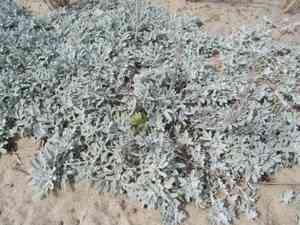
Hoary mugwort (Artemisia stelleriana)
Also known as: Beach wormwood
Artemisia stelleriana, commonly called hoary mugwort, is predominantly found in East Asian countries such as Japan, Korea, and parts of Russia. It also grows in some regions of China. Notable for its pale-green to white leaves, which give it a distinctive silvery look, this perennial herb is often harvested for culinary uses, including flavoring rice.
In This Article
Attributes of Hoary mugwort
Lifespan
Perennial
Plant Type
Herb
Plant Height
15 cm to 30 cm
Spread
30 cm to 35 cm
Leaf Color
Silver
Flower Size
2.5 cm
Flower Color
Yellow
Images of Hoary mugwort
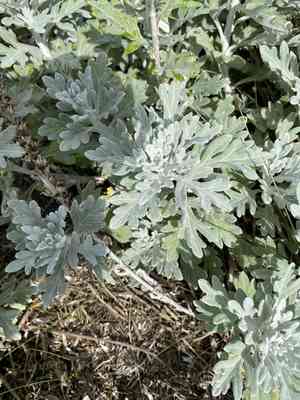
Quickly Identify Hoary mugwort
1
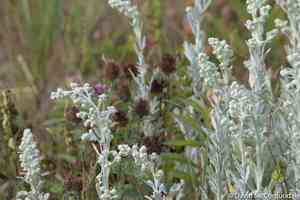
Deeply toothed, fuzzy leaves with silver-gray hue and aromatic fragrance.
2
Creeping growth habit supported by rhizomes, ideal for ground cover.
3
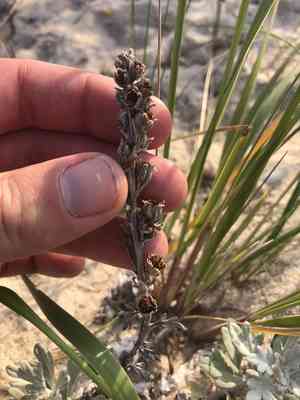
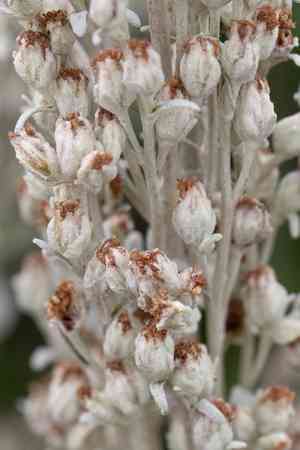
Yellow, cup-shaped flowers clustered on spike-like structures, blooming in late summer.
4
Stout, erect stem with silvery hairs, reaching 2-3 feet (60-90 cm) in height.
5
Leaves with feather-like appearance, 2-4 inches (5-10 cm) long, densely covered in fine hairs.
Scientific Classification of Hoary mugwort
Phylum
Vascular plants
Class
Dicotyledons
Order
Asterales
Family
Daisy
Genus
Mugworts
Species
Hoary mugwort
Planting and Growing of Hoary mugwort
Care Difficulty
Easy
Watering Schedule
Every 3 days
Sunlight Requirements
Full sun
Sunshine Duration
6-10 hours
Ideal Temperature
60-75℉
Soil Type
Potting Mix, Peat Mix
Soil pH
6-7.5
Fertilizer Type
Balanced
Pruning Season
Spring, Summer
Pruning Area
Branches, Leaves
Pruning Frequency
2 times a year
Repotting Season
Spring
Pot Type
Plastic, Ceramic
 How to Water Hoary mugwort?
For Artemisia stelleriana, water until the soil feels moist at about 5 cm deep. Aim for 200 ml, ensuring water reaches the roots without leaving the soil waterlogged, promoting healthy plant growth.
What are the symptoms of an underwatered Hoary mugwort?
›
What should I do if my Hoary mugwort is not getting enough water?
›
What are the symptoms of an overwatered Hoary mugwort?
›
How to save an overwatered Hoary mugwort?
›
 What Are the Sunlight Requirements for Hoary mugwort?
Artemisia stelleriana thrives best with full sun to partial sun, meaning exposure to 4 to 6 hours of sunlight daily. This light range enhances foliage color and supports its overall growth.
More About Sunlight Requirements Techniques→
What is the best light condition?
›
How to achieve ideal lighting?
›
What are the benefits of ideal lighting?
›
 What Is the Ideal Temperature Range for Hoary mugwort?
For Artemisia stelleriana, the ideal temperature range that supports robust growth is between 60°F and 75°F. Within this range, the plant thrives without experiencing any thermal stress, enabling vigorous development and healthy foliage.
 What Soil is Best for Hoary mugwort?
Artemisia stelleriana thrives in well-drained soil to prevent root rot. This requirement ensures the plant's roots have enough oxygen and reduces the risk of fungal diseases. This plant does not need nutrient-rich soil. Low soil fertility helps maintain its compact and dense growth by avoiding excessive foliage development. Artemisia stelleriana prefers drier soils, mimicking its native coastal habitats. This soil condition enhances the plant’s silver foliage and drought tolerance.
 How to Fertilize Hoary mugwort?
For Artemisia stelleriana, it is advisable to apply a balanced liquid fertilizer at half the recommended strength to avoid overwhelming the plant. This means if the package suggests 1 tablespoon per gallon of water, use only half a tablespoon. This careful approach is necessary because Artemisia stelleriana, often known as Dusty Miller, thrives in less fertile conditions.
 How to Prune Hoary mugwort?
Begin by identifying stems that are growing too tall or are leggy. Trim these back to just above a leaf node or where you desire new growth to sprout. This encourages the plant to branch out more effectively. Remove any spent flowers or dead leaves from the plant. Deadheading promotes new blooms and prevents the plant from wasting energy on seed production. It also keeps the plant neat and visually appealing. To maintain a pleasing, rounded shape, trim the outermost tips of the plant. Follow the natural contour of the Artemisia stelleriana, ensuring balanced growth from all sides to create a harmonious appearance.
More About Pruning Techniques→
 How to Propagate Hoary mugwort plant?
1
Begin by filling a seed tray with a well-drained potting mix. Sow the Artemisia stelleriana seeds on the surface and lightly cover them with a thin layer of soil. Water gently to avoid displacing the seeds.
2
In early summer, take stem cuttings about 4-6 inches long from healthy Artemisia stelleriana plants. Remove the lower leaves and dip the cut end in rooting hormone to enhance root formation.
3
Divide existing Artemisia stelleriana clumps in spring when new growth begins. Carefully dig up the plant and split the root ball into sections, ensuring each section has healthy roots and shoots.
 How to Repot Hoary mugwort plant?
1
Repot Artemisia stelleriana when you notice roots coming out of the pot's drainage holes, a sure sign that it's outgrowing its current home. Another cue is when the soil dries out too quickly even after regular watering, indicating that the plant has become root-bound.
2
Select a pot that is only slightly larger than the current one to prevent waterlogging and promote healthier root growth. Ideally, the pot should be an inch or two wider in diameter with excellent drainage—using a porous material like terracotta can significantly help in reducing excess moisture.
3
Opt for a well-draining potting mix possibly containing sand or perlite, creating a breathable environment for the roots. This mix not only prevents root rot through efficient drainage but also retains enough moisture to keep the plant well-nourished without waterlogging.



