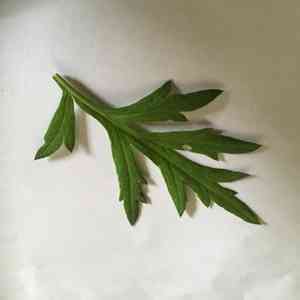
Chinese mugwort (Artemisia selengensis)
Also known as: Purple Wormwood
Chrysanthemum (*Chrysanthemum indicum*) is part of the daisy family and is native to Asia, including China. These plants bloom in the autumn and emit a strong, pleasant fragrance. Edible varieties, such as "tong hao" or "chop suey greens" (*Glebionis coronaria*), are often used in Chinese sautéed dishes for their unique flavor.
In This Article
Attributes of Chinese mugwort
Lifespan
Perennial
Plant Type
Herb
Plant Height
1.5 m
Spread
0.5-1 meter
Leaf Color
Bright Green
Flower Size
2 mm to 2.5 mm
Flower Color
White
Images of Chinese mugwort
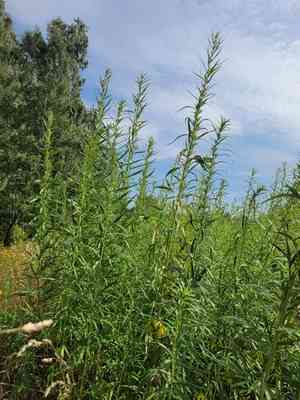
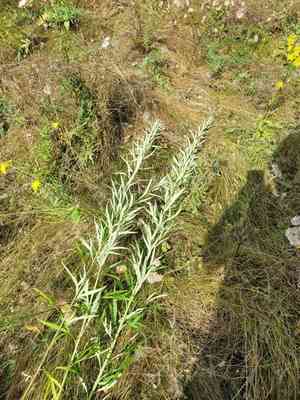
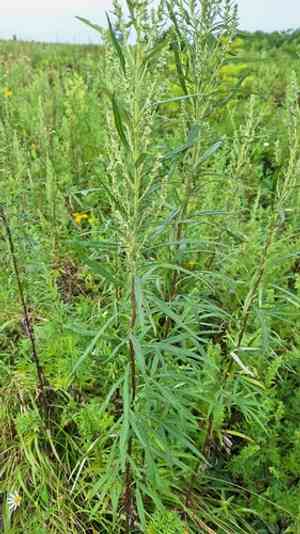
Quickly Identify Chinese mugwort
1
Look for a tall, reed-like plant with purple stems and bright green leaves. The leaves are finely divided and give off a strong, aromatic scent when crushed.
Scientific Classification of Chinese mugwort
Phylum
Vascular plants
Class
Dicotyledons
Order
Asters bellflowers fanflowers and allies
Family
Daisy
Genus
Mugworts
Species
Chinese mugwort
Planting and Growing of Chinese mugwort
Care Difficulty
Moderate
Watering Schedule
Every 3 days
Sunlight Requirements
Partial sun
Sunshine Duration
6-10 hours
Ideal Temperature
59-75℉
Soil Type
Potting Mix, Peat Mix
Soil pH
6.5-7.5
Fertilizer Type
Balanced
Pruning Season
Spring, Summer
Pruning Area
Branches, Leaves
Pruning Frequency
2 times a year
Repotting Season
Spring
Pot Type
Plastic, Ceramic
 How to Water Chinese mugwort?
When watering Artemisia selengensis, aim for about 250 milliliters per session. The rationale is to thoroughly moisten the soil while avoiding waterlogging. Ensure the soil feels damp to the touch, resembling a squeezed sponge, but not overly saturated. The principle is to maintain consistent moisture without allowing the roots to sit in water.
What are the symptoms of an underwatered Chinese mugwort?
›
What should I do if my Chinese mugwort is not getting enough water?
›
What are the symptoms of an overwatered Chinese mugwort?
›
How to save an overwatered Chinese mugwort?
›
 What Are the Sunlight Requirements for Chinese mugwort?
Best suited for partial to full sun conditions, ensuring a balanced level of sun exposure to prevent dehydration while maximizing growth and health.
More About Sunlight Requirements Techniques→
Is full or partial sun better for Artemisia selengensis?
›
What are the solutions to achieve ideal lighting?
›
How does ideal lighting benefit Artemisia selengensis?
›
 What Is the Ideal Temperature Range for Chinese mugwort?
The ideal temperature range for growing Artemisia selengensis, also known as Selenge wormwood, is between 59°F to 75°F. Within this range, the plant thrives as it closely mimics its natural habitat conditions, promoting healthy growth and optimal foliage development.
 What Soil is Best for Chinese mugwort?
Artemisia selengensis thrives in soil with excellent drainage. This prevents root rot and allows the plant roots to access oxygen effectively, ensuring healthy growth. While not overly demanding, Artemisia selengensis benefits from soil with sufficient organic matter. This ensures steady growth and vivid foliage without the risk of nutrient burn. A soil pH of 6.5 to 7.5 is ideal, promoting optimal nutrient availability and absorption, thus fostering robust plant health.
 How to Fertilize Chinese mugwort?
For Artemisia selengensis, use a modest amount of liquid fertilizer. Typically, apply around 100-150 ml of diluted liquid fertilizer per plant. Ensure the dilution is gentle; about one-fourth the recommended concentration on the fertilizer label will work well. Solid fertilizers should be used sparingly, about 20-30 grams per plant as needed.
 How to Prune Chinese mugwort?
Pruning during very hot conditions can stress Artemisia selengensis, as the cuts can lead to increased moisture loss. Opt for cooler days within the recommended seasons to minimize stress. Regular inspection for pests or disease before and after pruning is crucial. Pruning wounds can become entry points if not monitored and treated promptly.
More About Pruning Techniques→
 How to Propagate Chinese mugwort plant?
1
Harvest seeds when the flowers have dried on the plant. It is crucial to choose a dry day for collection to avoid mold development during storage.
2
Select healthy, non-flowering stems for cuttings. Make a clean cut below a node and remove the lower leaves to ensure successful rooting.
3
Dig up mature plants and gently separate the root clumps. Each division should have viable roots, stems, and buds for successful regrowth.
 How to Repot Chinese mugwort plant?
1
Artemisia selengensis shows signs of needing a new pot when roots begin to circle at the base or escape through the drainage holes. Noticeably slow growth or reduced foliage density are also signals. The ideal repotting time is early spring or late autumn when the plant is not in active growth.
2
Opt for a pot that is one size larger than the current one. Ensure it has ample drainage holes, as Artemisias dislike waterlogging. A slightly porous pot, like terracotta, helps in moisture regulation, allowing the plant to thrive better by providing more oxygen to the roots.
3
Select a well-draining loamy mix with a slight addition of sand or fine gravel. This mix prevents water retention, reducing the risk of root rot. Artemisias prefer slightly acidic to neutral pH, which this mix supports, ensuring healthy growth and vibrant foliage.



