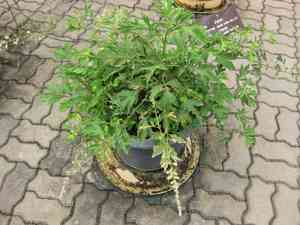
White mugwort (Artemisia lactiflora)
Also known as: Duck food vegetable
Artemisia lactiflora, also known as white mugwort, stands out as the only Artemisia species with ornamental flowers. In its natural habitat, it thrives along roadsides, within shrubby areas, and on forested slopes. Celebrated for its unique characteristics, it has received the prestigious Award of Garden Merit from the British Royal Horticultural Society.
In This Article
Attributes of White mugwort
Lifespan
Perennial
Plant Type
Herb
Plant Height
1.2 m to 1.5 m
Spread
1 m
Leaf Color
Purple Green
Flower Size
Approximately 0.5 cm per flower, but flowers are grouped in clusters up to 30 cm long
Flower Color
Cream
Images of White mugwort
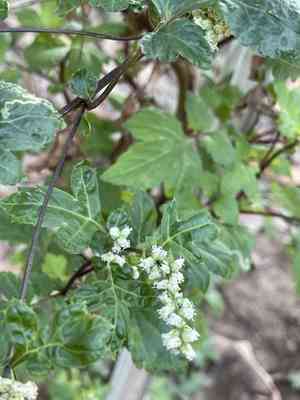
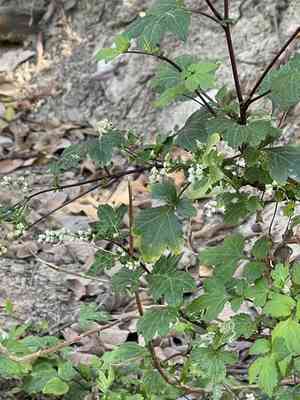
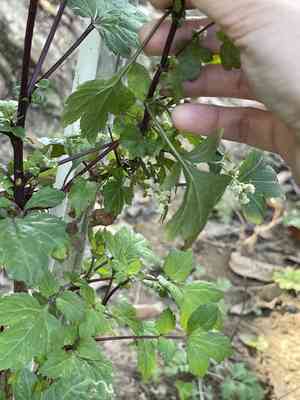
Quickly Identify White mugwort
1
Artemisia lactiflora can be identified by its tall, upright habit, deeply lobed leaves, and creamy white flower clusters. The foliage has a slightly aromatic minty smell.
Scientific Classification of White mugwort
Phylum
Vascular plants
Class
Dicotyledons
Order
Asters bellflowers fanflowers and allies
Family
Daisy
Genus
Mugworts
Species
White mugwort
Planting and Growing of White mugwort
Care Difficulty
Easy
Watering Schedule
Every 4 days
Sunlight Requirements
Partial sun
Sunshine Duration
6-10 hours
Ideal Temperature
65-75℉
Soil Type
Potting Mix, Peat Mix
Soil pH
6.5-7.5
Fertilizer Type
Balanced
Pruning Season
Spring, Summer
Pruning Area
Branches, Leaves
Pruning Frequency
2 times a year
Repotting Season
Spring
Pot Type
Plastic, Ceramic
 How to Water White mugwort?
Artemisia lactiflora requires consistent moisture, but not overly soaked soil. Water deeply until the soil feels evenly moist to about 15-20 cm deep. Adjust based on weather and soil conditions, ensuring the plant is not sitting in waterlogged soil.
What are the symptoms of an underwatered White mugwort?
›
What should I do if my White mugwort is not getting enough water?
›
What are the symptoms of an overwatered White mugwort?
›
How to save an overwatered White mugwort?
›
 What Are the Sunlight Requirements for White mugwort?
Artemisia lactiflora thrives in partial to full sunlight, ideally receiving 4-6 hours of sun daily. This lighting condition promotes healthy foliage and flowering, enhancing the plant's ornamental appeal and metabolic functions.
What is the recommended amount of light for Artemisia lactiflora?
›
How can you provide the best lighting conditions?
›
What are the benefits of giving ideal light to Artemisia lactiflora?
›
 What Is the Ideal Temperature Range for White mugwort?
Artemisia lactiflora thrives best in temperatures ranging from 65°F to 75°F. This range promotes optimal growth and ensures healthy foliage and flowering. It is essential to maintain this temperature consistently, especially during the active growing season, to prevent any stress on the plant.
 What Soil is Best for White mugwort?
Artemisia lactiflora thrives in well-draining soil as it prevents waterlogging, which can cause root rot. Ensuring the soil has good drainage will promote healthy root development and vigorous growth. This plant benefits from a nutrient-rich soil that provides essential nutrients, fostering lush foliage and boosting its overall vitality and resistance to pests and diseases. Artemisia lactiflora prefers moderately moist conditions. Maintaining consistent moisture helps in avoiding stress, ensuring steady growth and prolonged flowering periods.
 How to Fertilize White mugwort?
Artemisia lactiflora, commonly known as white mugwort, prefers moderate amounts of fertilizer. Apply a balanced liquid fertilizer at a concentration of one tablespoon per gallon of water for each application. Be cautious not to overdo it, as this plant thrives in moderately fertile soils naturally.
 How to Prune White mugwort?
Start by examining the plant for any dead or damaged stems. Removing these not only improves appearance but also helps prevent pest infestations and diseases. To encourage a bushier growth habit, trim back some of the longer stems. Make your cuts just above a leaf node to stimulate new growth. In late spring, cutting the plant back by about a third after the first flowering can promote a second blooming and help maintain a compact form.
More About Pruning Techniques→
 How to Propagate White mugwort plant?
1
Fill the seed tray with well-draining potting mix and water it until moist. Make slight indentations for the seeds ensuring they are properly spaced to avoid overcrowding.
2
Place the Artemisia lactiflora seeds into the indentations on the seed tray, covering them lightly with a thin layer of soil. Ensure they are not buried too deeply to facilitate germination.
3
Using a sharp knife, carefully divide the root clump into sections, ensuring that each part has sufficient roots and shoots. Replant them immediately in prepared soil.
 How to Repot White mugwort plant?
1
Artemisia lactiflora should be repotted when roots start coiling at the base of the pot or when growth appears stunted. This indicates that the root system has filled the current vessel, and the plant needs more room to spread and acquire nutrients.
2
When selecting a pot, opt for one that is at least two inches larger in diameter than the current pot. This allows adequate space for root expansion and helps prevent root-bound conditions, which can restrict growth and reduce plant health.
3
Choose a well-draining potting mix with a blend of sand, loam, and organic matter. This soil structure ensures proper drainage and air circulation, reducing the risk of root rot and encouraging robust growth.
Learn More About White mugwort Diseases
Anthracnose
Bacterial Leaf Spot
Bacterial Soft Rot
Bacterial Wilt
Black Spot
Chemical Injury
Damping-off
Downy Mildew
Drought Stress
Fusarium Wilt
Gray Mold
Leaf Spot
Mosaic
Nutrient Deficiency
Nutrient Toxicity
Powdery Mildew
Root Rot
Root-knot Nematode
Rusts
Sooty Mold
Spider Mites
Temperature Stress
Thrips Damage
White Mold



