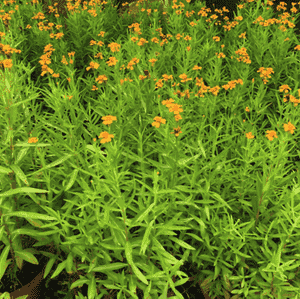
Tarragon(Artemisia dracunculus)

Tarragon (Artemisia dracunculus)

Also known as: French tarragon, Wild tarragon, Biting dragon

Tarragon (Artemisia dracunculus) is a herb commonly found throughout Eurasia and North America, renowned for its anise-like aroma. It is especially prized in French cooking and is also used as a soda flavoring in parts of East Asia. Interestingly, the French variety of tarragon, known for its robust flavor, is sterile, which complicates its propagation compared to other variants.

Attributes of Tarragon

Lifespan
Perennial
Plant Type
Herb
Plant Height
61 cm to 1.2 m
Spread
30 cm
Leaf Color
Green Blue
Flower Size
2.5 cm
Flower Color
Yellow Green

PlantJoy - Identify plants with a snap

Identify and diagnose plants, get toxicity alerts, and explore safety guides for all types of fungi.

Try for Free

Images of Tarragon

Tarragon(Artemisia dracunculus)

Quickly Identify Tarragon

1
Erect stems and slender branches distinguish tarragon from other plants.
2
Linear, gray-green leaves with delicate texture and subtle sheen.
3
Greenish-white flowers in compact capitula with subtle scent.
4
Rhizomatous roots enable robust propagation of tarragon.
5
Stems can reach up to 3 feet (90 cm) in height, varying in texture.

Scientific Classification of Tarragon

Phylum
Vascular plants
Class
Dicotyledons
Order
Asterales
Family
Daisy
Genus
Mugworts
Species
Tarragon

Planting and Growing of Tarragon

Care Difficulty
Easy
Watering Schedule
Every 2 days
Sunlight Requirements
Full sun
Sunshine Duration
4-8 hours
Ideal Temperature
65-75℉
Soil Type
Potting Mix, Peat Mix
Soil pH
6.5-7.5
Fertilizer Type
Balanced
Pruning Season
Spring, Summer
Pruning Area
Branches, Leaves
Pruning Frequency
2 times a year
Repotting Season
Spring
Pot Type
Plastic, Ceramic

water icon How to Water Tarragon?

When watering Artemisia dracunculus, aim to provide around 500 milliliters of water per session. This plant prefers its roots to be moist but not waterlogged. The golden rule here is to ensure the top inch of soil is dry before watering again to prevent root rot and other moisture-related issues.
What are the symptoms of an underwatered Tarragon?
What should I do if my Tarragon is not getting enough water?
What are the symptoms of an overwatered Tarragon?
How to save an overwatered Tarragon?
More About Watering Techniques

sunlight icon What Are the Sunlight Requirements for Tarragon?

Sunlight Requirements: Full sun, Partial sun
Duration of light: 6 to 8 hours
For Artemisia dracunculus, the ideal light range is full to partial sun. This ensures lush growth, vibrant foliage, and increased essential oil production, allowing the plant to achieve its full potential.
Question 1: Best sunlight exposure?
Question 2: How to ensure ideal light?
Question 3: Benefits of ideal lighting?
More About Sunlight Requirements Techniques

temperature icon What Is the Ideal Temperature Range for Tarragon?

Ideal Temperature: 65 ~ 75℉
The ideal temperature range for growing Artemisia dracunculus is between 65°F and 75°F. This range provides the optimal conditions for photosynthesis and nutrient uptake, ensuring healthy growth and aroma development. Consistently maintaining these temperatures will contribute to sustained plant vitality.

soil icon What Soil is Best for Tarragon?

Soil type: Loam, Sandy loam, Sandy soil
Soil PH: 6.5 ~ 7.5
Artemisia dracunculus thrives in well-draining soil that prevents waterlogging, which can cause root rot. A sandy or loamy substrate is perfect for maintaining the right moisture balance, essential for healthy growth. This plant benefits from a nutrient-rich soil composition. While it can survive in poorer soils, incorporating organic matter enhances its growth, ensuring the plant remains lush and productive. A soil pH within the range of 6.5 to 7.5 is ideal for Artemisia dracunculus. Maintaining this pH ensures optimal nutrient availability and absorption, contributing to robust health and flavor of the plant. More About Soil

fertilize icon How to Fertilize Tarragon?

Fertilizer type: Balanced
Artemisia dracunculus, commonly known as tarragon, generally requires moderate fertilization. Use approximately 1 tablespoon of a balanced 10-10-10 NPK fertilizer per gallon of soil for potted plants or per square foot for garden beds. This ensures a steady supply of nutrients without overwhelming the plant. More About Fertilizing Techniques

prune icon How to Prune Tarragon?

Pruning Time: Spring, Summer
For Artemisia dracunculus, begin by cutting back the plant in early spring to remove any dead or damaged stems. This encourages robust new growth. Make clean cuts just above the leaf buds to promote bushier foliage. In summer, lightly trim to maintain shape and to prevent the plant from becoming leggy. More About Pruning Techniques

propagate icon How to Propagate Tarragon plant?

Propagate Time: Spring,Early summer
1
Begin with sowing seeds indoors about 6-8 weeks before the last expected frost. Cover them lightly with soil and maintain them at a temperature of around 15-20°C (59-68°F).
2
Take cuttings of about 10-15 cm in length from healthy Artemisia dracunculus plants. Remove the lower leaves and dip the cut ends in rooting hormone for better root development.
3
Carefully dig up the parent plant during early spring or early summer. Ensure each division has sufficient roots attached, and replant them at the same depth they were growing previously.
More About Propagating Techniques

repot icon How to Repot Tarragon plant?

Repotting frequency: Every 2-3 years
1
Signs that Artemisia dracunculus needs repotting include roots growing out of the drainage holes, stunted growth, or the soil drying out quickly. The best time to perform this task is during the growing seasons of spring and summer, allowing the plant to recover quickly.
2
Select a pot that is just one size larger than the current one to prevent overwatering issues. Ensure it has sufficient drainage holes to prevent root rot, which is a common issue with Artemisia dracunculus if the roots sit in water for too long.
3
Opt for a well-draining potting mix to keep the roots aerated and prevent them from getting waterlogged. A mix that includes sand or perlite is ideal, as it mimics the plant's natural preference for light, airy, and dry conditions.

PlantJoy - Identify plants with a snap

Find the best spots for them to optimize their health, simply using your phone.

Try for Free

Toxicity of Tarragon

Is Tarragon toxic to humans?

Tarragon is considered to have a low level of toxicity; however, it is important to note that all sections of the plant contain toxic substances. Consuming large quantities of tarragon may result in gastrointestinal disturbances such as vomiting and diarrhea, along with possible mild amnesia and delirium. In more serious cases, it could lead to convulsions and irreversible brain damage. It is advisable to avoid consumption of tarragon at least two weeks prior to any surgical procedures, as there is some evidence indicating it may impede blood clotting. While there are no documented instances of skin irritation from direct contact with tarragon, it is worth noting that other species within the same genus have been linked to dermatitis, so caution is recommended when handling this plant.

Is Tarragon toxic to cat?

Tarragon poses a potential toxicity risk to cats when consumed in significant quantities. The essential oil, present in every part of the plant, may lead to mild symptoms such as vomiting and diarrhea. However, instances of severe or fatal poisoning from tarragon are extremely uncommon.

Is Tarragon toxic to dog?

Tarragon possesses a mild toxicity to dogs. The essential oils, present in various parts of the plant, can cause an upset stomach in dogs if consumed. Dogs might unknowingly ingest this herb if they receive leftovers from meals containing it. Symptoms of ingestion can include diarrhea and vomiting. Fortunately, the majority of tarragon poisoning cases tend to be quite mild.

Identify toxic plants for your safety

Learn which plants are harmful to you and your pets, and make informed choices for a safer home!

Try for Free
WARNING
The judgment on toxicity and danger is for reference only. We DO NOT GUARANTEE any accuracy of such judgment. Therefore, you SHALL NOT rely on such judgment. It is IMPORTANT TO SEEK PROFESSIONAL ADVICE in advance when necessary.
More About Toxic Techniques

